Architectural Services
3D Visualization and Renderings for Cumming Residence in Florida
-
Sreela Biswas
- September 26, 2025
- 10:45 am

Complete Architectural Construction Document Production In Your Company Standards
Our degreed and trained architectural designers in India work as an extension of your staff on a monthly and hourly subscriptions.
Uppteam’s licensed expert MEP designers, operating remotely, collaborate with US AEC firms to deliver code-aligned MEP design solutions.
Offshore structural design experts deliver top-quality, code-compliant designs and documentation for US projects.
Seasoned civil designers remotely provide unmatched support for advancing site development, grading, and utility plans with sheer accuracy.
Cutting-edge 3D modeling and clash-coordinated documentation empower construction-ready
project delivery.
Dedicated offshore admin teams streamline architect, contractor, and engineering workflows.
Independent and guaranteed error-free model audits, clash detection, and construction
document verification by a specialized team.
U.S.-based local architectural representation, ensuring communication, accountability, and delivery expectations, managed close to the client.
Explore more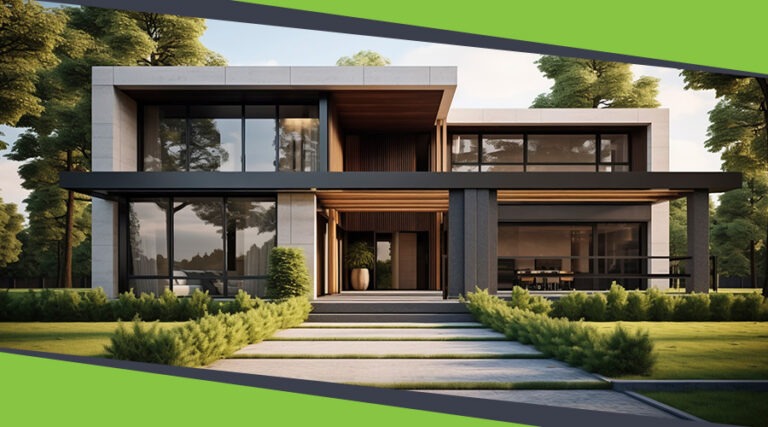
Discover our architectural design excellence through a curated selection of projects.
Explore more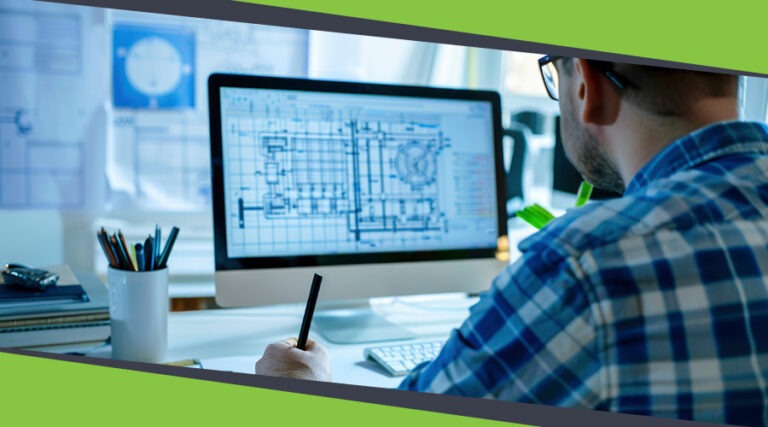
Take a look at how Uppteam can elevate your projects with expert engineering solutions.
Explore more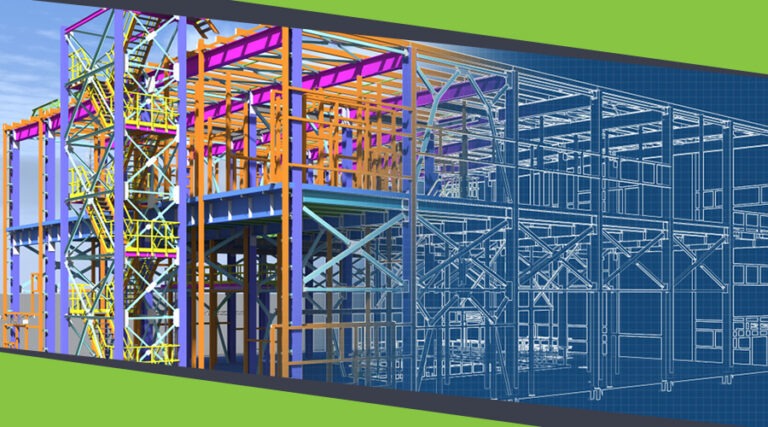
Our Structural Support Services can enhance your structural engineering projects with expert support.
Explore more
Uppteam delivers precise and reliable surveying and mapping solutions to help you make informed decisions.
Explore more
Whether you're working on residential, commercial, or industrial buildings..
Explore more
Uppteam’s Virtual Admin Support can help you with all your administrative tasks..
Explore more
Our experts work as your 3rd party quality control support partner.
Explore more
Sreela Biswas 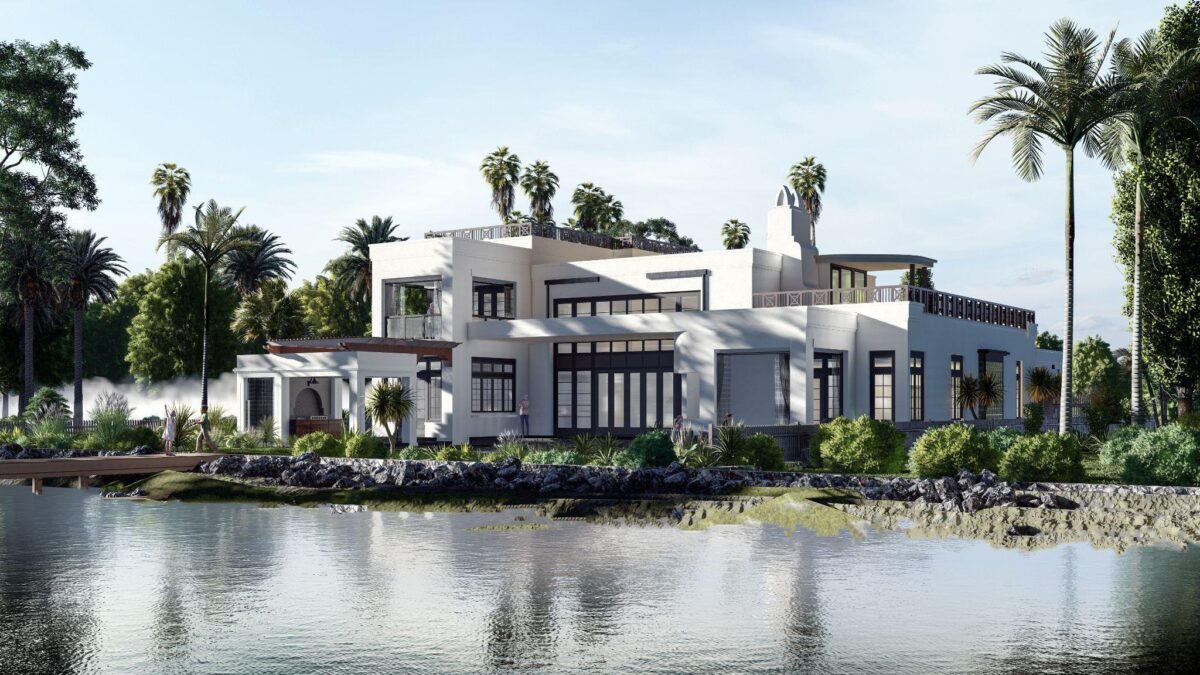
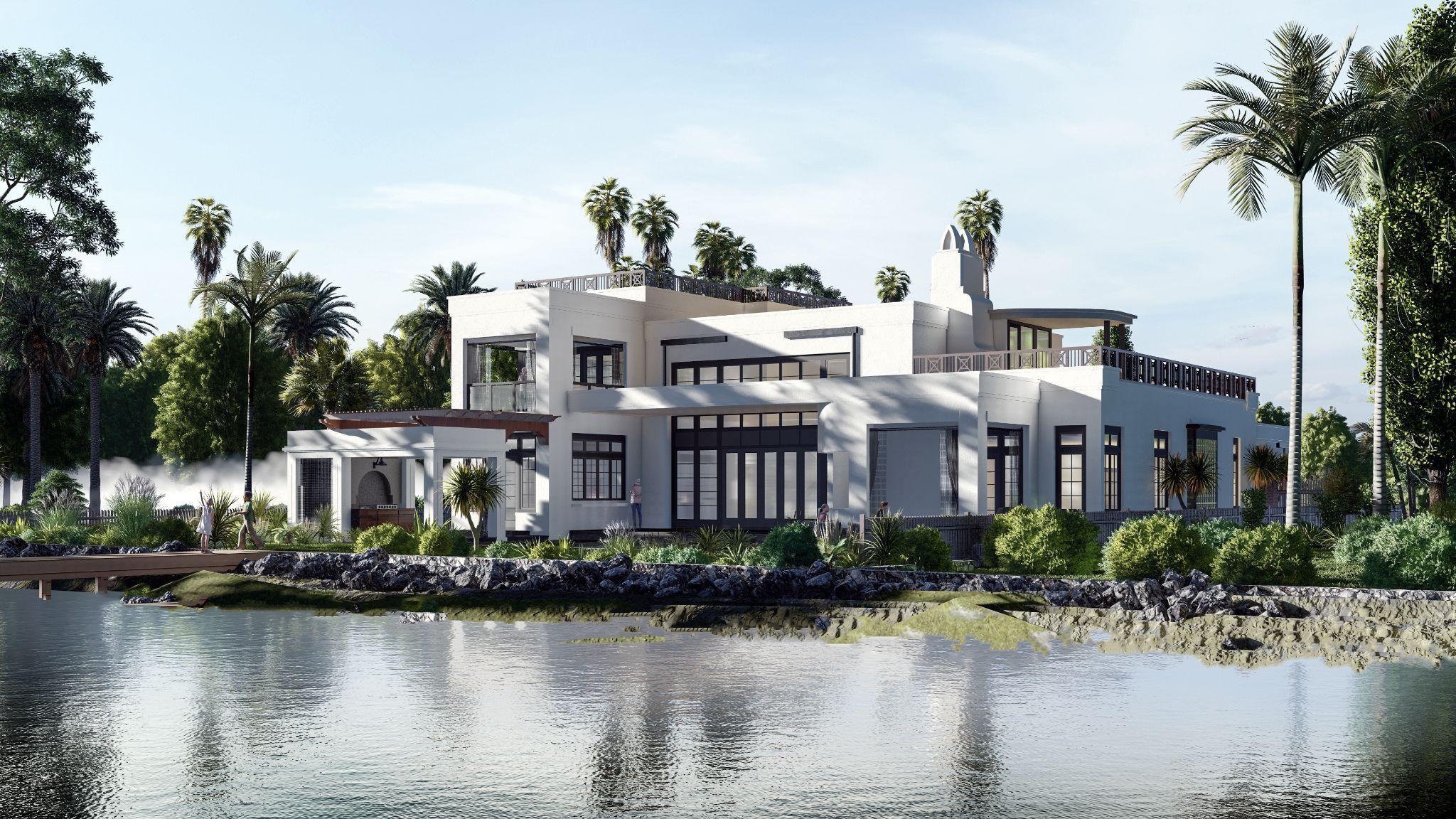
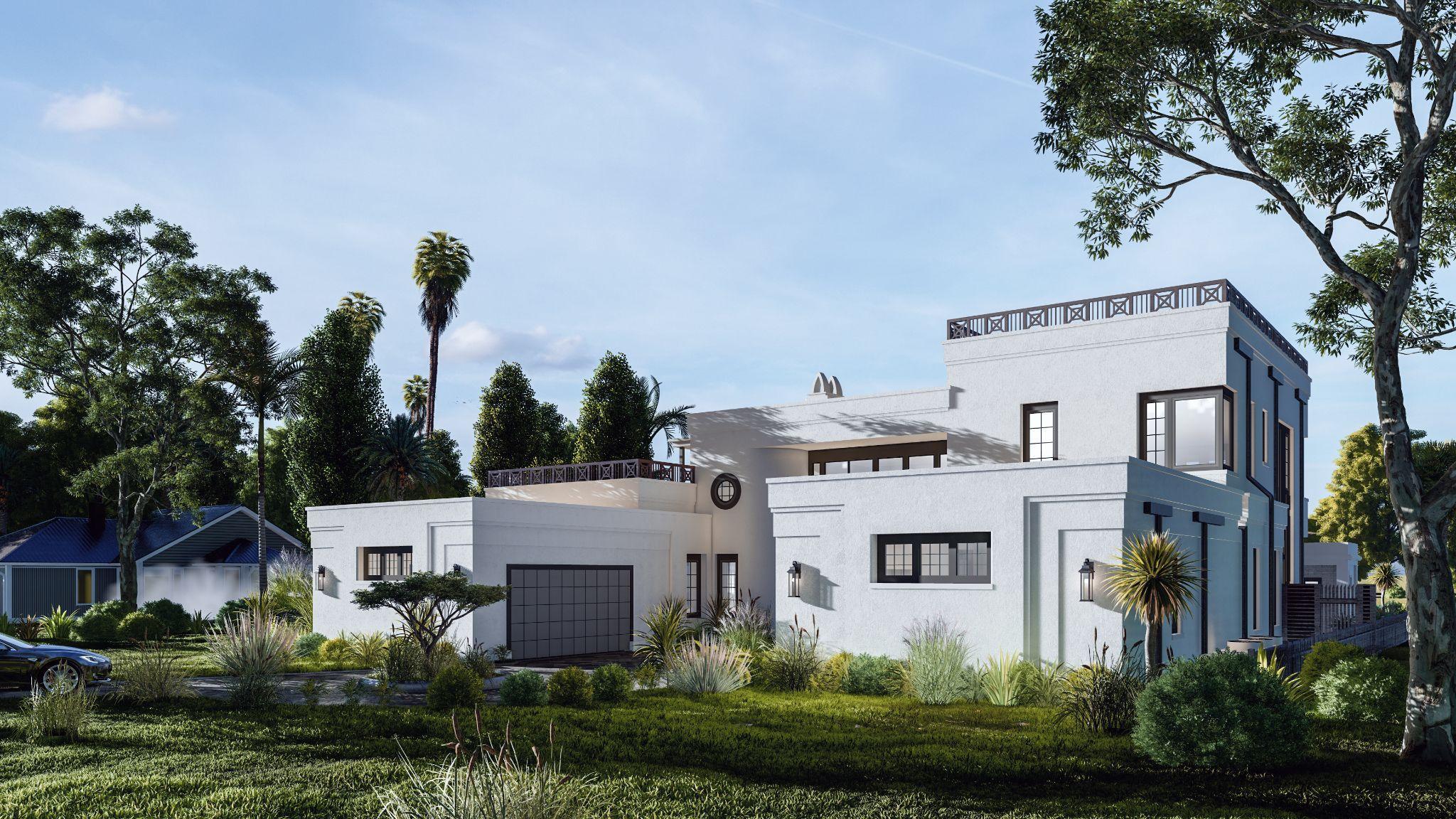
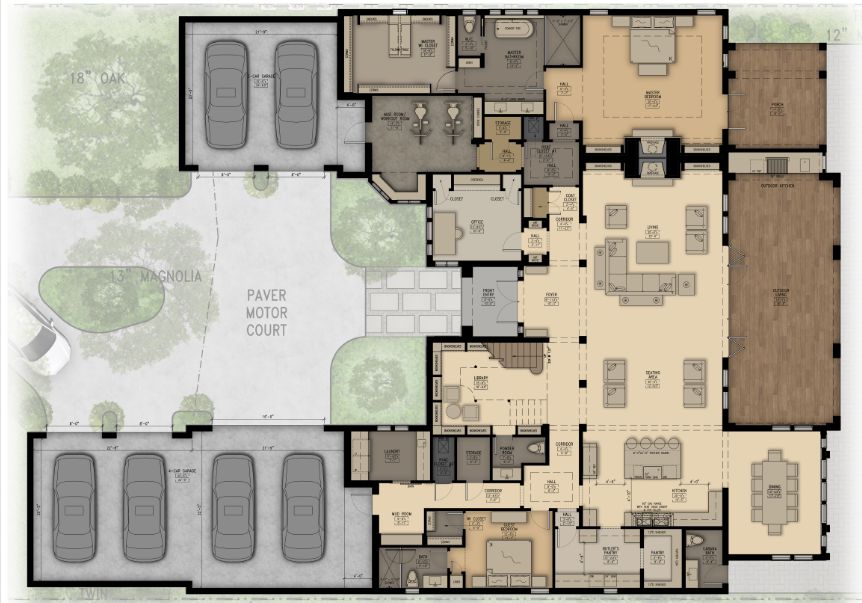
Uppteam was engaged to support a residential project in Florida, where the client required high-quality 3D visualization and rendering services. The scope covered end-to-end visualization support, including converting rough hand sketches and fragmented floor plans into a coherent architectural set, preparing 2D and 3D drawings, and producing photo-realistic renderings.
 Soumen
After completing over 150 townhouse projects across Austin, Melbourne, Sydney, and Denver, we’ve seen every challenge these compact urban homes can throw at you. The inflexible lots, the noise complaints, the zoning headaches, the parking nightmares, we’ve solved them all, often multiple times.
Here’s what we’ve learned, and more importantly, how we handle these challenges so our clients can focus on what they do best: growing their business.
Last year, a developer in Sydney handed us five townhouse lots that were barely 18 feet wide. “Make them feel like homes, not hallways,” was the brief. We’d heard this before.
Our solution? We’ve developed a systematic approach to narrow-lot planning that we now apply to every similar project. Open-plan living spaces flow seamlessly into each other. We strategically position light wells to draw natural light deep into the plan. Every stairwell doubles as storage. Kitchen islands become room dividers.
The result? Homes that feel 30% larger than their actual square footage. We’ve refined this approach across dozens of projects, so when you come to us with a narrow lot, we already know what works.
Shared walls are where most firms stumble. Sound transmission, fire codes, structural loads—get any of these wrong and you’ll hear about it from angry homeowners or code officials.
We’ve standardized our party wall assemblies based on real performance data from completed projects. Staggered stud construction with resilient channels for acoustics. Fire-rated assemblies that exceed code without eating up interior space. Load paths that work independently for each unit.
One Denver project taught us everything we needed to know about acoustic issues when the client received noise complaints before move-in. We redesigned the wall assembly, solved the problem, and now apply those lessons to every project. You won’t face that learning curve.
Long, narrow homes love to create dark middle spaces. We’ve tried every trick in the book—and some we invented ourselves.
Strategic light wells now appear in our plans almost automatically. We know exactly where to place clerestory windows for maximum impact. Our cross-ventilation strategies work because we’ve tested them in real buildings, not just on paper.
A Melbourne project had units that were 60 feet deep with only front and rear access to light. Six months after completion, residents told us these felt like the brightest homes they’d ever lived in. That’s what experience gets you.
Municipal parking requirements versus community design guidelines—we’ve fought this battle in every city where we work. The solutions aren’t obvious, but they are learnable.
Rear-loaded garages through alleys. Tandem parking that actually works. Ground floor configurations that provide required parking while maintaining active street frontage. We’ve done the trial and error, so you don’t have to.
That Denver project? We delivered one enclosed garage per unit while creating a street frontage that the city planning department used as an example for other developers. It’s become our template for similar situations.
Every municipality writes its own rules. Setbacks, height limits, green space ratios, window placement restrictions—what passes in Austin fails in Dallas.
Here’s what other firms don’t tell you: we maintain an active database of zoning requirements for every primary market we serve. When your project hits our desk, we already know the local rules. More importantly, we know which planning departments are strict about enforcement and which ones are flexible during plan review.
We’ve gotten projects approved in Toronto that other firms said were impossible. It’s not magic—it’s just knowing the system.
Plumbing, electrical, HVAC, and fire systems still need to fit, even when there’s no space for them. Route them wrong and you’ll have acoustic problems, maintenance access issues, or ceiling height conflicts.
Our MEP coordination isn’t theoretical. We model everything in BIM, run clash detection, and verify constructability before you see the first drawing. Why? Because we’ve been called in to fix projects where someone else didn’t do this work properly.
The contractor on that Sydney project told us it was the cleanest set of coordination drawings he’d worked with in 15 years. That’s the standard we deliver on every project now.
Developers want efficiency. Buyers want character. City design review boards want visual interest. Satisfying all three takes experience.
We’ve developed a palette of façade variations that create individuality without increasing construction complexity. Material changes, roofline variations, alternating balcony designs—we know precisely which changes add visual interest and which ones add cost.
Our standard approach now includes three to five façade variations per project. Planning departments approve them faster, buyers respond better, and contractors don’t complain about complexity.
Energy codes keep getting stricter, but sustainable design in townhouses isn’t just about meeting minimums. It’s about solutions that work in narrow, attached buildings.
We’ve optimized passive solar strategies for party wall conditions. Our standard roof designs maximize solar panel efficiency even on narrow lots. We detail thermal bridges at shared walls because we’ve seen what happens when you don’t.
A recent project in Melbourne achieved a 6-star energy rating using strategies we’ve refined over multiple projects. The developer saved on marketing costs because energy performance became a selling point.
Every challenge we’ve described, we’ve solved multiple times. The solutions are documented, standardized, and ready to apply to your next project.
When you work with Uppteam, you’re not paying us to learn on your project. You’re accessing solutions we’ve already proven in real buildings with real residents.
Our clients don’t attend weekly coordination meetings. They don’t review endless design iterations. They don’t troubleshoot zoning conflicts or chase down MEP consultants.
They give us the program and the site. We deliver coordinated construction documents that contractors can build and that planning departments approve.
Townhouse design is complex, but it’s not mysterious. The challenges are predictable, and the solutions are learnable. We’ve done the learning.
Your next townhouse project can benefit from every lesson we’ve learned from the previous 150. No trial and error. No expensive mistakes. No delays while your team figures out problems we solved years ago. That’s what 150 projects of experience get you. And it’s what you get when you work with us.
Soumen 
More often than not, construction projects go beyond projected budgets and timelines. This is true even when contractors depend on fragmented architectural service providers. Therefore, in the current fast-paced construction environment, saving money and time isn’t just a goal; instead, it’s a necessity. A closer look at the U.S. construction industry would reveal that contractors are consistently seeking ways to streamline their processes without sacrificing quality or compliance.
This is precisely when all-in-one architectural design services come to contractors’ rescue. They have emerged as an essential solution. These services incorporate several elements of design, engineering, and documentation, helping contractors remove fragmented workflows that contribute to delays and cost overruns. Research shows that by using integrated architectural services, contractors experience around 40% cost savings compared to projects managed using separate design and construction contracts.
Contemporary all-in-one architectural design services resolve these struggles by offering robust project delivery through collaborative teams that tackle everything from preliminary concept generation to final construction documentation. This simplified approach allows contractors to access niche expertise across all disciplines. It also helps maintain a single-point obligation for design coordination and project outcomes.
So, grasping these integrated service benefits facilitates contractors in making well-versed choices that boost both project profitability and client satisfaction.
All-in-one architectural design solutions effectively remove any coordination complexities, which are common in conventional project delivery. These services facilitate unified management across all design verticals.
It is also essential to understand that single-source accountability ensures consistent communication channels, thereby avoiding miscommunication that can occur when multiple firms handle different project elements. This collaborative approach curtails administrative overhead for contractors who would otherwise handle separate contracts for architectural, structural, and MEP design services.
Moreover, professional project management within integrated service providers assists in coordinating the design process internally. This diminishes the requirement for contractors to tackle multiple consultants. Design conflicts can be resolved quickly with the help of direct communication between disciplines operating under unified leadership rather than through external coordination meetings. This simplified communication decreases project delays while guaranteeing that design intent is consistent across every building system.
It has also been observed that quality control procedures benefit from collaborative oversight. What happens here is that single management teams authenticate design coordination ahead of dispatching construction documents to contractors. Internal review processes spot conflicts early in the design process instead of during construction when changes become costly affairs. This preemptive approach eliminates expensive on-site modifications while assuring contractors of receiving coordinated documentation that maintains efficient construction sequencing.
Research validates that contractors working with comprehensive architectural design services attain 30% quicker project completion than conventional delivery approaches. Time savings stem from integrated workflows where design verticals collaborate nonstop. This acceleration aids contractors in starting construction work earlier while lowering carrying expenses related to extended project schedules.
Eliminating waiting periods between design stages assists in speeding up the overall project timeframe. Contractors gain valuable opportunities with rigid construction schedules as a result of this. Here, efficient coordination makes sure that design reviews take place concurrently throughout all disciplines. The outcome of this is the prevention of delays that keep piling up in traditional project delivery. Therefore, early coordination among design and construction teams promotes value engineering discussions to optimize both schedule and budget performance.
When contractors use all-in-one architectural design services, cost control improves considerably. These services deliver holistic budget management throughout the entire design development process. Integrated teams detect cost-saving opportunities quickly in design phases when modifications are still inexpensive. This action-oriented approach avoids budget overruns by monitoring expenses and analyzing value engineering continuously.
Through coordinated design approaches, the reduction in material waste is also achieved. Here, structural, architectural, and MEP systems collaborate effectively without any conflict. Proficient design coordination ensures the removal of redundant systems. It also enables the optimization of material usage throughout all building components. Additionally, BIM coordination competencies allow accurate construction takeoffs that boost the accuracy of cost estimation for contractors.
Many integrated service providers offer fixed-fee arrangements that help make budgets more predictable for robust design packages. Contractors benefit from known design expenses, which avoid the uncertainty linked with handling multiple consultant contracts. This predictability fosters more accurate project bidding and reduces contingency needs for design-related hazards.
Expert-level QA procedures within integrated service providers can decrease construction errors. These errors often contribute to expensive change orders for contractors. Since design coordination occurs internally, every conflict is resolved before it reaches the construction phase. This proactive strategy eliminates any on-site surprises that usually disturb construction schedules and amplify project expenses.
Moreover, error reduction extends beyond design coordination to involve specification accuracy and extensive consistency across all building systems. Here, competent oversight makes sure construction documents have all relevant information that upholds efficient construction. However, there is no need for any extra clarification or design development. This robustness decreases requests for information while facilitating contractors in maintaining construction momentum.
Evidently, contemporary architectural design solutions extensively utilize BIM. The purpose? To achieve better coordination and keep design conflicts to a minimum. Digital workflows aid instant collaboration and guarantee consistent designs across all systems. BIM delivers contractors error-free construction documents that ensure successful project completion and delivery.
Advanced-level modeling further helps spot and address clashes at the earliest. It corroborates the ideal integration of MEP, architectural, and structural components. In addition, virtual construction sequencing and thorough coordination drawings assist contractors in perfectly planning installation tasks and schedules. Consequently, these tools streamline construction, avert field conflicts, and endorse more seamless and effective project execution from design through build.
Keep in mind that value engineering becomes more efficient when design verticals collaborate consistently instead of working individually. Unified teams look for opportunities to optimize systems that cut down both material expenses and construction complexity. This integration helps contractors benefit from design solutions that take into consideration construction methods during development and not after completing the design.
Strategic cost control goes beyond material selection to involve installation efficiency and maintenance accessibility. Moreover, design coordination confirms that systems are located efficiently within building frameworks while sustaining serviceability for prolonged operations. This all-encompassing technique provides contractors with designs that optimize construction, along with operational performance.
So, undoubtedly, all-in-one architectural design services offer contractors comprehensive solutions. They support the elimination of coordination issues while curtailing both project expenses and delivery schedules. The collaboration of design verticals under unified management ensures communication efficiency that avoids delays. Furthermore, precise coordination guarantees that design conflicts are resolved internally without creating costly on-site changes. As a result, there is no disruption in construction schedules, and a project always stays within budget.
If your firm is looking for an expert, all-in-one, U.S.-based architectural design services provider, there is no better option than Uppteam. Through our comprehensive architectural design services, we deliver the required integrated solutions to help contractors save both time and money. How does Uppteam do it? Simply through coordinated design delivery that keeps conventional coordination challenges away and offers single-source accountability for complete architectural design packages. We are always committed to supporting efficient construction and project profitability.
Sreela Biswas 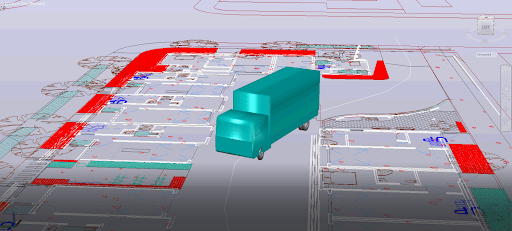
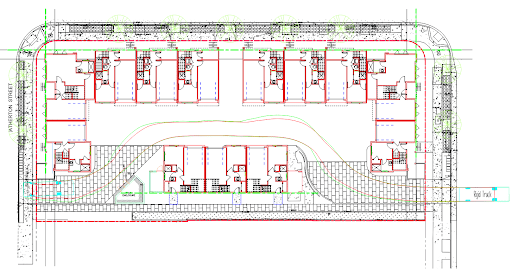
The architectural design team was tasked with performing a swept path analysis for one of the townhomes to evaluate the movement of an RV truck within the site. The study included checking entry, turning, and exit manoeuvres against the proposed architectural and site layout. Any conflicts or obstructions with architectural elements such as garage openings, columns, soffits, driveway corners, or gates were identified. Based on the results, recommendations for necessary design changes were provided to ensure safe and efficient RV access.
 Soumen
It’s 3:47 PM on a Thursday. The project manager stares at her screen, cursor hovering over the seventh browser tab. Somewhere in this digital maze lies the answer to a contractor’s question about the mechanical room layout. Procore has the RFI thread. Bluebeam holds the marked-up drawings. BIM 360 stores the latest structural revisions. And buried in Microsoft Teams is that crucial response from the MEP engineer—sent yesterday, read by nobody.
This scene plays out daily in AEC offices worldwide. Firms have poured money into sophisticated software ecosystems. Project management platforms, BIM suites, cloud collaboration tools—all promising to streamline workflows and boost efficiency. Yet here’s the uncomfortable truth: most teams barely scratch the surface of what their tools can do.
The gap between software capability and actual usage is costing firms more than subscription fees. It’s eating into project margins, frustrating team members, and creating the kind of operational chaos that drives good people to other industries.
Walk through any architecture or engineering office during deadline season. You’ll spot the telltale signs immediately. Post-it notes covering monitors (because remembering login credentials is harder than analog memory). Email threads with subject lines like “RE: RE: FWD: URGENT – Structural Plans???” Designers squinting at phones, trying to read construction documents someone photographed in the field.
Here’s what’s particularly maddening: these firms aren’t technology laggards. They’ve invested heavily in digital transformation. Revit for design coordination. Procore for construction administration. Bluebeam for document workflows. The software itself isn’t the problem.
The problem is human. And it’s completely understandable.
Consider a typical design development phase. The architect uploads floor plan revisions to BIM 360, but uses a slightly different naming convention than last time. The structural engineer can’t find the files, so he creates his own folder structure. The MEP consultant, working from home, doesn’t realize there are new architectural drawings and continues coordinating with outdated plans. By the time everyone realizes the disconnect, the contractor has already ordered ductwork based on the wrong dimensions.
Nobody intended for this to happen. Everyone thought they were following the established process. But here’s the thing about complex software systems: they require consistent, systematic management to function correctly. And most AEC teams simply don’t have time to become system administrators on top of their regular responsibilities.
Standard virtual assistants excel at calendar management and email organization. They’re fantastic for scheduling meetings and booking travel. But AEC projects operate in a completely different universe.
Try explaining to a generic VA why it matters that the structural shop drawings get reviewed before the architectural millwork submittals. Or why specific RFI responses require both the architect and the code consultant to sign off, while others can be handled by the project manager alone. They’ll do their best to follow your instructions, but they’re flying blind through workflows they don’t understand.
AEC work has rhythms and relationships that outsiders simply can’t grasp without industry experience. When the mechanical engineer uploads revised HVAC layouts, someone needs to flag potential conflicts with the architectural ceiling plans immediately. When shop drawing approvals get delayed, someone should recognize the cascading impact on other trades and start making phone calls.
This isn’t about intelligence—it’s about context. And context comes from understanding how buildings actually get designed and built.
Real AEC expertise means understanding the deeper currents beneath surface-level tasks. When Uppteam’s virtual administrators see a submittal marked “Resubmit,” they don’t just update a tracking spreadsheet. They know to check if the revision affects other consultant drawings, whether it impacts the construction schedule, and who else needs to be notified about the change.
This knowledge transforms routine administration into strategic project support.
During schematic design, document flow seems straightforward. But experienced administrators know better. They recognize when architectural program changes will require updated structural calculations. They spot when MEP load modifications might affect electrical service requirements. They understand which design decisions trigger additional code review requirements.
Instead of simply moving files between folders, they’re monitoring project health and preventing expensive surprises down the road.
Once construction begins, the complexity multiplies exponentially. Shop drawings flood in from multiple subcontractors, each with different approval requirements and interdependencies. A generic assistant might dutifully log submission dates and track review periods, but misses the bigger picture.
AEC-specialized administrators understand why steel fabrication drawings must be approved before precast concrete submittals. They know which mechanical submittals can be reviewed concurrently and which require sequential approval. When a critical submittal gets delayed, they’re already identifying alternate solutions and communicating with affected parties.
Generic filing systems fail in AEC because they ignore how design professionals actually work. Uppteam’s administrators don’t impose arbitrary folder structures—they develop organization schemes that mirror project workflows and professional practice standards.
Instead of generic “Final Documents” folders, they create hierarchies that reflect design phases, discipline coordination requirements, and revision tracking needs. Files are stored where team members expect to find them, not where some consultant’s manual suggested they should be.
The most innovative automation isn’t about replacing human judgment—it’s about eliminating repetitive tasks that drain professional energy. AEC-specialized administrators identify these opportunities with surgical precision.
They might configure automatic report generation that pulls data from multiple platforms and formats it for client presentations. Or establish notification workflows that alert relevant team members when critical project milestones are reached. The key is understanding which processes can be systematized without losing professional oversight.
Modern AEC projects span multiple software ecosystems by necessity. Design development happens in one environment, project management in another, and client communication through yet another platform. Information must flow seamlessly between these systems, or teams end up working with outdated data.
Specialized administrators become the conductors of this digital orchestra. They ensure that design changes logged in Revit trigger appropriate notifications in Procore. They make sure client feedback captured during video conferences gets properly documented in project files. They prevent the information silos that turn collaboration into confusion.
New team members face a fierce challenge: learning complex software while simultaneously contributing to active projects. Generic training focuses on software features. AEC-specialized training addresses real workflow challenges.
Instead of explaining how Procore’s RFI module works in theory, experienced administrators show new hires exactly how their firm handles architect-contractor exchanges, tracks consultant review cycles, and manages the specific approval sequences that their projects require. This targeted approach gets people productive faster while reducing the burden on senior staff.
A 45-person firm specializing in medical facilities had reached a breaking point with its project management systems. Despite substantial investments in Procore and BIM 360, their consultant coordination was falling apart. Project architects were spending entire afternoons tracking down missing submittals and chasing overdue RFI responses.
The introduction of an AEC-specialized virtual administrator not only improved efficiency but also transformed their operational culture.
RFI turnaround times improved dramatically, dropping from over eight days to just over four. But the real victory was consistency. Contractors began receiving complete information packages instead of piecemeal responses, which reduced follow-up questions and change order potential.
Document coordination errors became rare events rather than weekly emergencies. The virtual admin’s systematic approach to file naming and folder organization meant drawings could actually be found when needed. This seemingly simple improvement eliminated countless hours of frustration and reduced costly coordination mistakes.
Project managers reported a fundamental shift in job satisfaction. Instead of constantly firefighting administrative crises, they could focus on design quality, client relationships, and strategic problem-solving—the reasons they entered architecture in the first place.
These improvements created unexpected secondary benefits. With smoother operational workflows, the firm could confidently pursue larger, more complex projects. Client satisfaction scores increased as communication became more responsive and professional. Staff retention improved as team members spent time on meaningful work rather than administrative drudgery.
Most importantly, the firm’s technology investments finally delivered on their original promises. Software platforms that had felt like expensive headaches transformed into competitive advantages.
Generic virtual assistance reduces workload. AEC-specialized support transforms capabilities. The difference matters enormously in an industry where margins are tight and client expectations continue rising.
When virtual administrators understand why architects require specific drawing sequences, how construction schedules influence design decisions, and which regulatory requirements necessitate additional review processes, they become strategic team members rather than task processors.
This expertise becomes particularly valuable as projects become more complex and timelines become compressed. Teams need support that understands their professional challenges, not just their administrative burdens.
AEC firms have already committed significant resources to digital tools and platforms. The question isn’t whether to adopt new technology—it’s how to extract real value from existing investments.
Specialized virtual administrators bridge the gap between software potential and practical results. They transform digital tools from operational overhead into profit centers, ensuring that technology spending generates measurable returns rather than additional complexity.
For design professionals, this means more time for innovation, client service, and strategic business development while maintaining the operational excellence that distinguishes successful firms from their struggling competitors.
The tools exist. The opportunity is obvious. Success requires the right expertise to connect capabilities with results.
Soumen 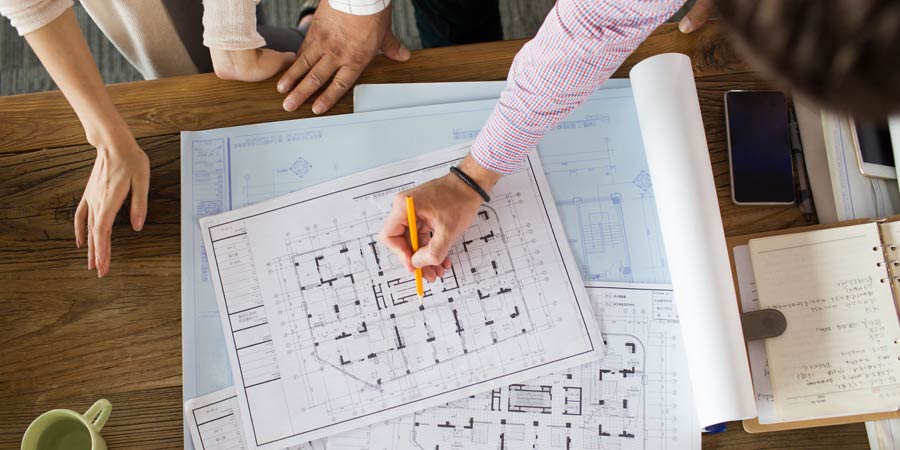
When most developers, contractors, and design teams analyze expense overruns, they typically reprimand material price hikes, labor shortages, or unexpected site conditions. Seldom do they examine how a significant portion of wasted resources originates much earlier in the process—with construction documents (CDs).
Poorly coordinated or incomplete CDs quietly erode budgets, leading to inflated bids, unnecessary change orders, and delays that cascade through entire projects. The Construction Industry Institute (CII) consistently identifies errors and omissions in design documentation as among the top contributors to project overruns. Recent studies have shown that 52% of construction projects experience significant delays due to inadequate documentation. Yet many firms underestimate how costly this “paper stage” becomes when mishandled.
Recent industry analysis reveals where these hidden costs originate and demonstrates how comprehensive architectural design approaches can deliver substantial savings across project lifecycles.
Contractors base their proposals on the available information quality. When CDs lack clarity or detail, bidders consistently pad numbers to cover uncertainties. Missing wall assembly specifications, vague structural notes, or unclear MEP layouts force contractors into worst-case scenario pricing.
Construction managers across the industry echo a consistent refrain: unclear drawings directly translate to higher bids. Nobody wants to be engrossed in unanticipated costs later in the process.
That protective “buffer” may seem minor on individual line items, but when multiplied across trades, initial project estimates can increase by 10–20% before construction begins. A 2024 survey of 150 general contractors revealed that 73% regularly add 15% or more to bids when the quality of documentation appears questionable.
Industry veterans frequently note: “Projects don’t pay for change orders—they pay for mistakes in the drawings.” When construction documents lack completeness or coordination, change orders multiply rapidly.
Common scenarios include:
Each oversight demands time and resources to resolve. McKinsey Global Institute research indicates that rework stemming from poor documentation accounts for up to 35% of total project cost overruns in commercial construction. More critically, change orders create schedule delays, and in commercial projects, lost time directly correlates with lost revenue for owners.
A recent analysis of 200+ mid-rise projects found that buildings with comprehensive, well-coordinated CDs averaged 12% fewer change orders compared to those with standard documentation practices.
Municipal jurisdictions continue tightening review standards, and incomplete CDs frequently stall in approval cycles. Missing fire-safety details, outdated code references, or insufficient life-safety diagrams trigger multiple resubmission rounds. Each cycle wastes weeks or months while carrying costs—including construction financing interest—accumulate relentlessly.
Data from prominent urban areas shows that projects with complete, code-compliant initial submissions receive approvals 40% faster on average than those requiring numerous revisions. Well-set CDs anticipate regulatory scrutiny and smooth approval pathways, while insufficient documents leave clients paying for preventable delays.
In Houston alone, permit resubmission delays cost the construction industry an estimated $180 million annually in extended financing and overhead costs.
When architectural, structural, and MEP designs lack integration, site teams inherit conflict resolution responsibilities. This “field coordination” proves expensive and typically less efficient than resolving issues digitally during design phases.
Consider a recent mid-rise office project in Austin, Texas: poor integration between architectural ceiling plans and MEP layouts necessitated extensive duct rerouting during construction. The resulting change order totaled $450,000—costs that comprehensive upfront coordination could have eliminated.
Industry data suggests that projects utilizing integrated design workflows experience 25% fewer field coordination issues and complete construction 8% faster than those relying on traditional, siloed documentation approaches.
Construction documents represent more than just technical drawings—they embody the professionalism of the design team. Inconsistent or error-prone CDs undermine client confidence, prompting questions about fees, timelines, and partner selection. Rebuilding damaged trust often costs more—through time investments, fee concessions, or reputational repair—than producing accurate CDs initially.
Client retention studies in the AEC industry show that firms delivering consistently high-quality documentation maintain 30% higher client retention rates and generate 18% more repeat business compared to those with inconsistent CD quality.
The construction industry increasingly acknowledges that fragmented design support often produces insufficient construction documents. While AI-driven piecemeal and shortcuts outsourcing may decrease upfront costs, they typically raise long-term costs through misaligned outputs and crumbled coordination.
Forward-thinking firms are adopting integrated architectural design solutions that enable planning, design development, coordination, and CD production to flow within unified frameworks.
This comprehensive approach transforms cost equations through several mechanisms:
Integrated Workflows: Design teams ensure that architectural, structural, and MEP inputs are reconciled before CD finalization, reducing field conflicts by up to 60%.
Code-Compliant Submissions: Every document set undergoes review against local codes and permitting requirements, minimizing resubmission delays and associated carrying costs.
Detail-Rich Documentation: Clear specifications and coordination reduce contractor uncertainty, lowering bid inflation while improving construction predictability.
Proactive Conflict Resolution: Digital conflict identification and resolution eliminate costly on-site corrections, with studies showing 3:1 cost savings compared to field fixes.
Enhanced Client Confidence: Complete, professional document sets reinforce trust, reducing project friction and supporting long-term client relationships.
Market pressures often encourage cost-cutting in CD, particularly with the proliferation of AI tools and fragmented outsourcing options. However, industry analysis consistently demonstrates that every dollar saved in documentation quality costs three to five dollars during construction phases.
Recent case studies across commercial, industrial, and residential assignments show that comprehensive, accurate, well-coordinated CDs deliver:
Investment in thorough documentation doesn’t just purchase drawings—it secures predictability, efficiency, and measurable long-term savings.
When projects consistently exceed budgets or face unexpected delays, the root cause often lies beyond materials and labor costs. Construction documents may create more expense than anticipated—but with strategic approaches, they can become the foundation for building smarter, faster, and more cost-effectively.
The choice between fragmented, cost-focused documentation and comprehensive, integrated design solutions will increasingly determine project success in an industry where margins continue to tighten and client expectations continue to rise.
Soumen 
Architectural design principles are truly transforming coastal living environments. The reason? To elevate ocean views while establishing harmonious spatial relationships.
The entire landscape of coastal living is evolving. This is mainly because of increasing sea levels, harsher storms, and expedited coastal erosion. Well, the credit for all these factors goes to climate change.
Architecture in a U.S. coastline house necessitates niche design approaches that emphasize spatial arrangements, smooth indoor-outdoor integration, and strategic view corridors. It also needs to tackle the unique aesthetic opportunities offered by waterfront locations. So, expert architects ought to balance extensive visual connections with operational living requirements using meticulous floor plan formation and architectural composition strategies.
Keep in mind that modern coastal architecture focuses on spatial fluidity, where conventional room boundaries dissolve to form unified living environments. The purpose here is to celebrate oceanfront settings. Research validates that open-plan designs enhance natural light penetration considerably. These designs also enable cross-ventilation patterns vital for comfortable coastal living.
Understanding the particular design specifications allows architects to deliver coastal homes that optimize environmental benefits and craft distinctive architectural expressions.
It is evident that open floor plans are quite popular and common when it comes to coastal architecture. They improve natural light, optimize airflow, and maximize ocean views to create a contemporary, spacious, and connected living experience. Therefore, currently, an open floor plan design demonstrates the basic architectural approach to coastal construction.
One of the biggest trends in U.S. coastal living is that modern architects now prefer to remove unwanted partition walls to establish expansive living areas that accommodate numerous functions within a unified space. This is a spatial strategy that facilitates panoramic sightlines from interior to exterior while encouraging social interaction across the shared living settings.
It is worth noting that multi-level spatial arrangements lead to dynamic interior sequences where distinct floor heights contribute to varying perspectives of coastal landscapes. Four-layer sectional designs link subtle stair transitions between functional zones. However, visual continuity is maintained throughout every vertical space. Every elevation change comes with diverse viewpoints that frame different elements of oceanfront settings from intimate to expansive scales.
In this provision, strategic room placement is another vital aspect. It prioritizes main living functions, such as the foyer, kitchen, living room, and bedroom suites with direct ocean access via large window systems. Proficient space planning assures that the main social areas seize optimal sunset orientations and secondary functions occupy rear building areas. Additionally, circulation patterns shrink corridor space to enhance occupied regions while ensuring intuitive movement flows across interior and exterior environments.
Architectural composition approaches involving horizontal window bands and continuous glazing systems improve the connection between inside and outside spaces. These properties lead to smooth visual boundaries between the two spaces. Experienced designers employ large sliding glass doors approximately 24 feet wide to remove physical barriers without compromising structural integrity. Furthermore, window placement tactics extend openings close to ceiling plans using a transom design that amplifies daylight distribution in interiors.
It is imperative to grasp that effortless architectural transitions between spaces define effective coastal residential design. This is achieved by using strategic threshold planning and material continuity. Another popular trend in modern coastal buildings is the implementation of bifold door systems and sliding glass walls. They create flexible boundaries that can adjust to weather conditions and maintain navigable view access during favorable periods. Concerning covered living spaces, screened lanais, and wraparound porches extend interior operations beyond conventional building envelopes.
On the other hand, multi-level deck systems and elevated outdoor platforms can also be implemented. These are helpful in creating varied outdoor living zones that accompany interior spatial arrangements. Expert architects design outdoor kitchens and dining spaces as integral architectural components instead of extra features for a cohesive design. Additionally, threshold details like level differences and material changes assist in creating seamless transitions between climate-controlled and non-climate-controlled areas.
So, it is clear that architectural strategies must involve consistent flooring materials and aligned ceiling planes. The outcome of this initiative would be the maintenance of visual continuity across indoor-outdoor boundaries. Roof overhangs and pergola structures offer protection from harsh weather while defining outdoor room volumes. It must be kept in mind that these volumes should complement interior spatial proportions. Here, professional coordination guarantees that outdoor spaces receive ideal infrastructure involving utilities, lighting, and drainage systems incorporated into architectural design.
Modern coastal architecture focuses on developing forms that deal with environmental forces, thanks to aerodynamic massing approaches and wind-resistant profiles. Master architects use sectional design methods to create integrated site relationships. One of the most interesting aspects in this context is that interior floor levels follow exterior topographic conditions.
Furthermore, building orientation strategies match primary facades with existing wind patterns to boost natural ventilation. However, there is no compromise in offering solar protection via strategic overhang placement.
Natural materials like stone, weathered wood, and organic textures support the creation of an authentic coastal appearance that blends perfectly with oceanfront settings. So, architects should carefully select materials that age naturally. The best way to do this is by using strategies that improve the building’s appearance over time rather than harming it.
Inclusion of timber cladding and stone walls would further add texture and depth, while still ensuring the needed endurance for coastal conditions. On the grounds of choosing the color scheme, the emphasis has to be on neutral palettes. It would guarantee smooth transitions between architectural components and natural surroundings.
Accordingly, architectural detailing strategies should involve exposed structural components and honest material expressions. The result of this would be the formation of an authentic coastal character that averts artificial styling approaches. To ensure unified architectural compositions and highlight functional distinctions, consistent material applications are necessary.
It’s a known fact that natural lighting is an imperative factor in architectural design. By thoughtfully positioning the building and placing windows in the ideal spots, architects can ensure daylight spreads throughout the interior evenly. Utilizing cross-lighting from separate sides can assist in reducing extended shadows and creating lighting that moves throughout the day. Besides, clerestory windows and skylights can also bring in light from above. They also make the space feel wider and ensure privacy from nearby buildings.
Architectural lighting design for coastal infrastructures in the U.S. must combine artificial lighting, meeting both practical and aesthetic goals for the evening hours. Close coordination among architects and lighting designers would ensure the fixtures improve the design and provide the appropriate amount of light for coastal living.
Changing ceiling heights and adding details like coffered ceilings or exposed beams helps establish visual interest and manage how large open spaces feel. Designers also utilize different materials and textures to clarify separate functional areas while keeping the area feeling connected and open.
So, successful coastal architecture revolutionizes exclusive site challenges into stunning spatial experiences. The credit for this goes to open floor plans, smooth indoor-outdoor transitions, and maximized ocean views. Meticulous spatial planning, climate-conscious layouts, and mindful material palettes further enable coastline homes to coexist with nature while delivering efficiency and outstanding aesthetics.
Uppteam offers all-encompassing architectural design services. Our team has the specialized expertise essential to navigate the complex design requirements of coastline house architecture. We deliver the optimal remote support that allows AEC firms in the U.S. to provide advanced spatial solutions, maximizing ocean views, integrating indoor-outdoor living, and creating distinctive architectural expressions. Be assured that we always maintain functional brilliance and aesthetic coherence across all levels of coastal residential projects.
Soumen 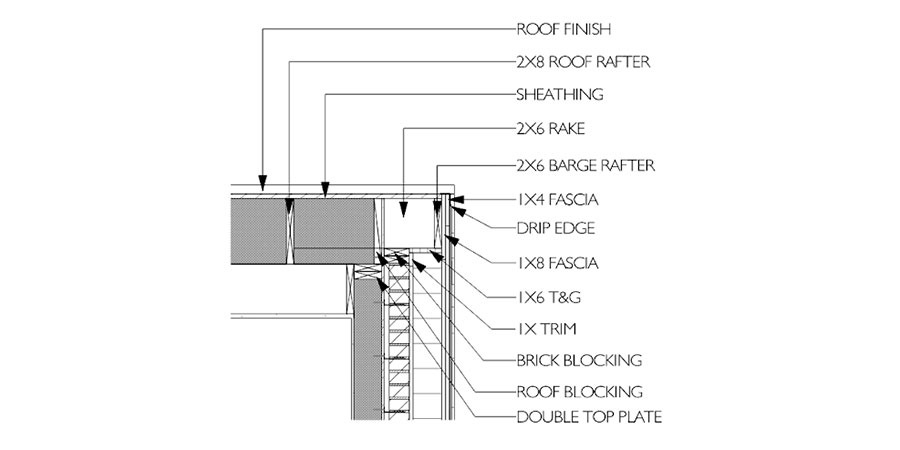
Uppteam worked on this high-end residential project for a general contractor. The GC required the designs that he could later use for his client and develop according to the site conditions. The project requirements include additional corrections or adjustments, particularly to the foundation drawings and details.
Additionally, this project offers two options: one includes the basement and main level, and the second consists of the main level and upper level. The main level should remain the same for both options.
 Soumen
Last month, a lead discovery call landed our sales team in an abrupt situation. The potential client asked us why they should hire our architectural design firm when AI can design buildings now. While it was a sudden question, it’s a question we’re hearing more often in recent times. It reveals a fundamental misunderstanding about what AI does in architecture.
The truth is, AI does have some leverage over architectural designs. It can generate floor plans, optimize layouts, and even suggest material choices. However, can it understand that your client’s retail space needs to feel welcoming while maximizing product visibility? Can it know that the hospital corridor width isn’t just about code compliance, it’s about accommodating stretchers during emergencies while maintaining a calming atmosphere?
That’s where human expertise becomes irreplaceable—and where the right design team makes all the difference.
Yes, AI is transforming our industry. Generative design algorithms can produce dozens of layout options in minutes. Automation scripts handle repetitive tasks that used to eat up entire afternoons. BIM-enhancing plugins catch errors before they become costly construction problems.
Nevertheless, some aspects continue to be the same. Have you ever tried giving your AI-friend a prompt? If you did, you’d know how challenging it is to get the exact outcome that you need. You may spend hours trying to figure out the correct prompt to generate the desired floor layout.
And here’s where you need professionals who can interpret what clients want (versus what they say they want), navigate the maze of local building codes, and solve the thousand minor problems that turn concepts into buildings people use.
So, the reality? AI is incredibly powerful. Training is what separates someone who uses AI from someone who masters it. Its effectiveness is maximized when utilized by individuals who have a firm grasp of both technological capabilities and the intricate nuances of architectural design.
There’s a world of difference between someone who can open Revit and someone who has mastered it. Anyone can click through menus and place walls, while it takes genuine expertise to:
Hence, we have a dedicated training institute that regularly trains designers. Software evolves at breakneck speed—Revit gets more innovative features every year, AutoCAD adds new capabilities, and compliance requirements shift constantly. A team that learned these tools two years ago and stopped there? They’re already behind.
What does this mean for you? When your project lands on our desks, you’re not getting someone who’s “pretty good with software.” You’re getting professionals who know these tools inside and out, who can work efficiently under pressure, and who catch potential problems before they derail your timeline or budget.
Look, we’re not using AI to design buildings. We’re using it the way a carpenter uses a power saw—it’s faster than doing everything by hand, but you still need to know what you’re cutting and why.
Take clash detection. The software will spot every place where pipes run through beams, which is helpful. However, last week, we had a project where the “clash” was the best routing solution—the beam had enough depth that running smaller conduit through it made more sense than rerouting around it. AI flagged it as a problem. Experience told us it was the answer.
Or quantity takeoffs. Sure, the software you use can count every brick in the model. However, it doesn’t know that the local supplier is backordered on that specific brick for six months, or that you’ll need 15% extra for a particular mason crew that tends to have higher breakage rates. We do.
We had a retail client recently who wanted to see layout options for their new flagship store. AI churned out dozens of possibilities in an hour. Most looked reasonable on screen. Whereas walking through them mentally, considering how customers move, where they pause, and how the cash wrap location affects the entire flow, only three made sense. AI gave us the starting point. Our experience picked the winner.
Same story with parametric modeling. The software can generate endless variations of a facade pattern or adjust room sizes based on different parameters. It can’t tell you that Option #23 will be a nightmare for the contractor to build, or that despite Option #7 looking great in renderings, it will leak in real weather conditions.
What we’ve learned is that AI doesn’t replace thinking—it just handles the grunt work so we can spend more time on the thinking that matters.
Here’s what most firms don’t calculate when considering whether to build this expertise internally:
Direct Costs:
Hidden Costs:
What this means for your bottom line:
A single complex project delay due to technical inefficiency can cost more than a year of outsourcing to a specialist team.
One of our clients recently sent us an email saying that they were glad to partner with Uppteam for design support because our designers were patient, understood precisely what the client needed, and were constantly updating the client on the design progress.
So, what is the takeaway? When an architectural firm hires a design support provider, it hires experts. The busy architects don’t have an eternity to explain things and verify the design’s accuracy. They need accurate designs, fast. AI can’t give you that peace of mind, though.
Immediate Access to Skilled Designers: No waiting weeks, even months, for new hires to get up to speed or hoping your current team can handle that unusually complex project. You get proven professionals who’ve solved similar challenges dozens of times before.
Scalability Without Risk: That big project that just landed? Scale up instantly. Slow season ahead? Scale back without layoffs or unused overhead costs.
Updated Technology: We also stay on top of the tech stuff, so you don’t have to. Every time Autodesk releases an update or a new AI plugin hits the market, we’re already testing it, figuring out what’s worth using and what’s just hype, working through the bugs, and knowing the shortcuts.
Quality Without the Management Overhead: And as a firm owner, you’d appreciate not having to deal with management headaches. You won’t spend Saturday mornings troubleshooting why someone’s Revit crashed again, or wonder if your team is using outdated workflows that are costing you hours. We handle that stuff in-house, so it’s invisible to you.
Architectural work today is not about being fast. Anyone can rush through drawings. The important thing is to achieve accuracy on the initial attempt.
We’ve been doing this long enough to know that AI isn’t going anywhere. Simultaneously, our trained team of architectural designers is also right here calibrating through the innovative use of AI for speeding up projects. Architectural companies that are trying to replace their teams with AI aren’t the ones making it big. Instead, the companies that are striking the right balance to create a harmony between human and artificial intelligence are the ones that are managing a higher amount of workload with the same human resources they had.
So when you bring us onto a project, you’re not just getting quicker deliverables. You’re getting:
The result? Your clients get better buildings, delivered on time and budget. And you get to focus on what you do best: client relationships, design leadership, and growing your practice.
We master Revit, AutoCAD, and AI so you can focus on shaping spaces, experiences, and lasting impact. Ultimately, that’s the essence of exceptional architecture.
Soumen 
We’ve all witnessed in our childhood how a spider’s web can resist wind that would topple a billboard. Isn’t it fascinating how desert cacti can maintain their cool in 120-degree temperatures without relying on air conditioning, while we ourselves sweat heavily? For millions of years, nature has solved engineering problems, and now architects are starting to notice this.
We’re seeing a real shift in how buildings get designed. Instead of slapping solar panels on conventional boxes and calling it “green,” architects are asking a different question: what if buildings could function like living systems?
When we talk about bio design in architecture, we’re talking about three interconnected approaches that work together:
Biomimicry goes beyond copying nature’s appearance to understanding its strategies. The Eastgate Centre in Zimbabwe mimics termite mound ventilation and uses 90% less energy for climate control than conventional buildings. That’s not just impressive—that’s game-changing for your operational costs.
Biophilia taps into something we all know but construction budgets often override: humans crave nature. Walk into any office with large windows and living plants, and you’ll notice a big difference compared to a windowless cubicle farm. The energy feels different. Research supports this. Think back to how you felt more energetic when you spent time outdoors as a child, playing or going to summer camps. Natural light and plants can reduce absenteeism and increase productivity. More importantly, they create spaces where people enjoy spending time.
Ecological Integration reverses the standard approach on its head. Instead of vacating a site and building something that fights the environment, you conceive buildings that participate in provincial ecosystems. The California Academy of Sciences sets an example. Its roof doesn’t just look like rolling hills; it hosts seven different native plant communities that birds and insects use as habitat. The building literally gives back to the landscape.
What is the difference between this and a typical green building? Most sustainable projects focus on reducing their environmental impact. Use less energy, waste less water. Bio design aims to be actively good. Water conservation is exemplary and needed. However, what is even better is designing a building that cleans rainwater and returns it cleaner than it arrived.
You’ve probably noticed that climate resilience isn’t optional anymore. The buildings we design today need to handle weather patterns that are increasingly unpredictable and extreme. Bio design addresses this head-on.
Remember those brutal heat waves last summer? While most buildings turned up their AC to the max cooling temperature, some buildings miraculously (or not so) stayed comfortable using passive cooling strategies borrowed from nature. The Pearl River Tower in China shapes itself to catch and channel wind naturally, like how a nautilus shell creates its own airflow patterns.
Here’s the business case that gets clients’ attention: buildings with biophilic design elements consistently rent for 15% more and stay occupied longer. Those aren’t feel-good sustainability numbers. That’s serious ROI that makes CFOs pay attention.
We’ve moved well beyond the experimental phase. Here are bio design strategies being implemented successfully:
The Al Bahar Towers in Abu Dhabi feature facades that open and close like flowers throughout the day, reducing solar gain by 50% while maintaining views. The design responds automatically to sunlight inclinations and internal temperatures.
You can now order insulation grown from mushroom roots. Sounds weird, but Ecovative’s mycelium-based products outperform fiberglass and decompose harmlessly at the end of a building’s life. We’ve specified these materials on projects in Toronto and Amsterdam—they’re not experimental anymore.
Milan’s Bosco Verticale towers house 900 trees and 20,000 plants on their facades. Beyond the Instagram appeal, they create actual habitat for over 1,600 species of birds and butterflies while producing oxygen equivalent to 30,000 square meters of woodland. The building literally functions as a vertical forest.
Complex software now lets architects optimize building forms for multiple factors at once—structure, climate, materials, and user comfort—mimicking how natural systems evolve toward efficiency. These aren’t arbitrary curvy shapes; they’re mathematically derived solutions to performance problems.
Nobody’s pretending this is easy. Bio design projects often require higher upfront investment, and not all innovative materials have established supply chains. We’ve worked on projects where sourcing living wall systems took months longer than expected because local suppliers weren’t familiar with the technology.
Building codes present another hurdle. Many regulations were written for conventional construction methods and materials. Getting approval for innovative bio-materials or adaptive systems often requires additional testing and documentation. Plan for this in your project budget and timeline.
The interdisciplinary collaboration required can also be challenging. Effective bio design needs architects working closely with biologists, materials scientists, and environmental engineers from the earliest design phases. This isn’t something you can add on later—it needs to be integrated from concept development.
At Uppteam, we’ve seen the gap between visionary bio design concepts and construction-ready documentation. That’s where our expertise becomes crucial for your projects.
Those organic forms inspired by natural systems? We translate them into precise BIM models that contractors can build. We’ve developed workflows that maintain the design intent while ensuring constructability and code compliance.
Green walls, bio-responsive facades, and integrated ecosystems require detailed coordination between multiple trades. We create the documentation that ensures your living building elements thrive rather than become maintenance nightmares.
Bio design succeeds or fails on technical execution. We develop details that work—thermal bridges that don’t compromise living wall systems, water management that prevents mold, and integrated controls that respond to seasonal changes. The pretty renderings only matter if the building performs as intended.
We embed with your architects from early concept phases, not after schematics are locked. This collaborative workflow has delivered LEED Platinum and WELL Gold certifications on projects where traditional consultant handoffs would have compromised performance goals.
Bio design focuses on creating buildings that work with nature. These buildings perform better because they clean the air, support wildlife, and provide enjoyable spaces for people.
Architecture firms adopting these approaches are landing clients that others can’t. The owners requesting bio-integrated buildings understand that upfront investment in natural systems pays back through lower operating costs, higher tenant satisfaction, and premium rents.
Ready to explore bio design for your next project? We bridge the gap between ambitious concepts and buildable realities. Our technical expertise ensures your innovative ideas become successful buildings, not expensive experiments.
The bio design shift is happening with or without any of us. The question is whether you want to help lead it.
Your One-Stop MEP Design Support Solution is Here
Hire Remote Team at an Affordable Price!