Architectural Services
How Early Design Reviews Prevent Million-Dollar Construction Losses
-
Sreela Biswas
- October 28, 2025
- 11:49 am

Complete Architectural Construction Document Production In Your Company Standards
Our degreed and trained architectural designers in India work as an extension of your staff on a monthly and hourly subscriptions.
Uppteam’s licensed expert MEP designers, operating remotely, collaborate with US AEC firms to deliver code-aligned MEP design solutions.
Offshore structural design experts deliver top-quality, code-compliant designs and documentation for US projects.
Seasoned civil designers remotely provide unmatched support for advancing site development, grading, and utility plans with sheer accuracy.
Cutting-edge 3D modeling and clash-coordinated documentation empower construction-ready
project delivery.
Dedicated offshore admin teams streamline architect, contractor, and engineering workflows.
Independent and guaranteed error-free model audits, clash detection, and construction
document verification by a specialized team.

U.S.-based local architectural representation, ensuring communication, accountability, and delivery expectations, managed close to the client.
Explore more
Discover our architectural design excellence through a curated selection of projects.
Explore more
Take a look at how Uppteam can elevate your projects with expert engineering solutions.
Explore more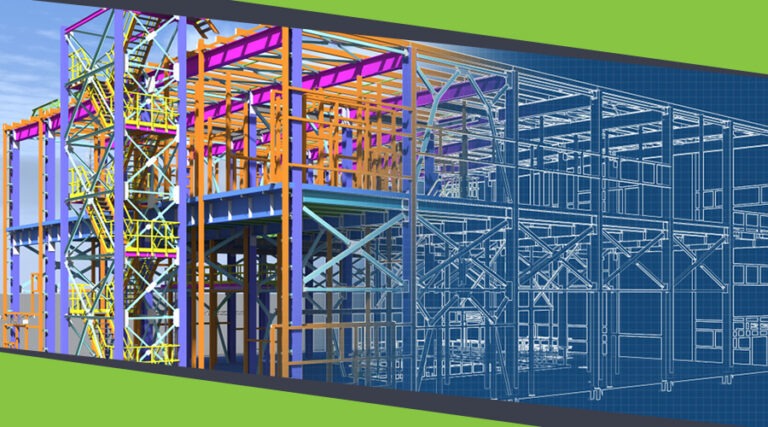
Our Structural Support Services can enhance your structural engineering projects with expert support.
Explore more
Uppteam delivers precise and reliable surveying and mapping solutions to help you make informed decisions.
Explore more
Whether you're working on residential, commercial, or industrial buildings..
Explore more
Uppteam’s Virtual Admin Support can help you with all your administrative tasks..
Explore more
Our experts work as your 3rd party quality control support partner.
Explore more
Sreela Biswas 
Did you know that even a single neglected dimension can result in rework costs of hundreds of thousands of dollars? Going over the projected budget is not something new in construction. In most cases, the cause of a budget overrun is the discovery of design-related problems after installation has begun.
Research illustrates that rework tasks result in roughly four to six percent of overall project expenses. Some studies have even confirmed that the actual figure can reach nine percent when indirect costs are included. These losses result from a familiar pattern: teams spot critical errors too late in the project. However, they can be avoided early.
Early-stage design reviews are a verified antidote to this costly cycle. If project teams can detect misalignments, clashes, and specification mistakes during design development, high-cost field changes can be avoided. As a result, there will be minimal to no schedule delays. This strategic approach turns feasible disasters into controllable adjustments. As a result, both the project budget and reputation across AEC operations can be protected.
There was a time when design errors were common in construction projects. With advancements in technology, such occurrences have become less common and can be avoided entirely these days.
Design-related mistakes constitute approximately seventy percent of total construction rework. This monumental scale uncovers where the most significant financial exposure lies. When architectural layouts fail to accommodate structural specifications or MEP systems clash with ceiling heights, the resulting modifications cascade through downstream activities.
Multiple studies confirm that design errors account for around 36% of project variation costs. Every unidentified mistake compounds material waste, labor costs, and schedule disruptions.
Bear in mind that the time to detect errors directly affects the financial impact. Both theoretically and practically, modifications made during design cost only a fraction of those initiated during construction.
Getting designs reviewed by a third party early in the process, before finalizing construction documents, allows teams to address feasibility concerns, code compliance issues, and system integration challenges. However, there is no need to mobilize crews or order additional materials to address such problems. This golden opportunity closes quickly after permits are issued and fabrication has begun.
Independent reviews come with objectivity. It is certainly not the case when internal checking processes are used. A fresh outlook identifies overlooked details and suggests alternative approaches, drawing on proven implementations from past projects. This external authentication ensures alignment with professional standards while minimizing the risk of costly surprises once construction is underway.
There are numerous sources of design errors. Each of these sources brings quantifiable financial consequences. So, understanding these patterns helps teams incorporate specific prevention strategies.
The following are the primary sources of expensive design mistakes:
In most cases, architectural and structural drawings contain the most mistakes among design documents. However, because of the complexity and interdependence of MEP systems, electrical and mechanical documentation represent the bulk of variation costs. These systems compete for limited space in risers, ceilings, and mechanical rooms, where even a minor conflict can lead to high-cost resolution.
Early coordination ensures there is no room for disconnected design efforts, ultimately supporting integrated project delivery. When MEP, architectural, and structural teams work from a standard coordinated model, they can easily spot conflicts before the fabrication phase begins. This unified approach removes the expensive discovery cycles.
Besides, BIM coordination encourages teams to recognize clashes and address them virtually. Studies demonstrate that using BIM, projects can reduce change orders by up to 42%. This is because potential conflicts emerge during preconstruction when BIM is used. Moreover, clash detection applications automatically scan integrated models to flag overlaps and generate thorough reports with an emphasis on resolution initiatives. Undoubtedly, although critical clashes require immediate attention, mid-range conflicts require design adjustments to avert on-site disruptions.
When it comes to construction planning, it usually accounts for one to three percent of overall project expenditures. This moderate-level investment delivers considerable benefits by spotting cost-efficient opportunities and building contingencies into budgets. Detailed planning also unravels potential for substituting materials or elevating energy efficiency. Consequently, in-depth planning adds lasting value that defends initial planning expenditures.
Note that value engineering at the very beginning of the design phase allows for greater savings than later interventions. Teams assess substitute materials, construction procedures, and system configurations to deliver the required functionality at the lowest possible lifecycle cost. This evaluation takes place when modifications need minimal initiative and optimal adaptability is maintained.
From a fundamental standpoint, BIM revolutionizes how teams coordinate design. This technology permits stakeholders to virtually build projects with practical detail before the first brick is laid. This digitized rehearsal fosters error-free cost projections and uncovers potential barriers early in planning.
The primary technological benefits for the early detection of errors involve:
Clash detection particularly benefits MEP systems, since dense layouts and tight tolerances make spatial conflicts common. It is a known fact that even a single duct-beam conflict can have a wide-reaching impact on multiple trades. Therefore, regular clash detection should be prioritized at every project milestone to spot minor issues and resolve them as soon as possible.
When design reviews are conducted during the schematic and design creation stages, they reduce the probability of expensive changes later. An undeniable truth is that if any issues surface after design completion, change orders can drastically amplify project expenses. Every modification then necessitates revised drawings, material reordering, and schedule corrections, which cumulatively delay the project.
Neutral third-party reviews add value by assessing design from multiple perspectives. In such cases, reviewers examine code adherence, the system’s applicability, loading conditions, and maintainability concerns that internal teams might overlook. So, this external authentication identifies nonconforming details before they are submitted to building officials or clients.
It is widely known that construction rework shrinks companies’ profitability margins. Studies show that where direct rework costs average 6.4% of contract value, indirect expenses reach up to 5.9%. Avoiding even a small portion of this waste through early coordination and review initiatives yields significant financial benefits.
Quality control protocols at the time of design phases create criteria for reviewing all package documents. Effective coordination between disciplines requires precise communication specifications and sufficient time to review drawings. In the absence of adequate review time, drawings cycle through revision loops, leading to unwanted changes.
Thus, the above explanation overwhelmingly supports early-stage design review as an essential risk management approach to avoid million-dollar construction losses. The majority of construction rework, schedule delays, and cost overruns occur because of design mistakes. A closer observation reveals that these errors often undermine project success.
Technology platforms, such as BIM coordination, ensure that detection accuracy is maintained at all times. Features like live collaboration, automatic clash detection, and virtual construction walkthroughs transform how engineering, architectural, and construction teams handle complex projects.
This is precisely where Uppteam comes into the picture. Our third-party QC services, along with BIM coordination support, help U.S.-based AEC firms avoid costly errors before construction.
Our expert architectural and engineering designers perform robust reviews throughout all disciplines. Through this approach, we ensure coordination that saves resources, time, and money.
Reach out to Uppteam now and partner with us to build financial resilience for your upcoming project through preemptive design review and clash detection expertise.
Sreela Biswas 
Every construction project is subject to countless pieces of documentation. They drive every decision from design to completion. Documentation guides every successful construction delivery. Among these vital documents are redline and as-built drawings. They stand as two distinct yet basic types of documentation.
Redline and as-built drawings seldom get confused. However, their functions differ critically. In the absence of clarity between these two crucial elements, teams encounter rework, disputes, and schedule delays.
When it comes to the U.S. AEC landscape, engineers, architects, and contractors heavily depend on error-free documentation. It helps them correctly manage changes and facility operations. Therefore, comprehending the distinction between redline and as-built drawings is essential to avoid miscommunication, guarantee compliance, and safeguard investments.
These drawings serve specific purposes in construction lifecycles and primarily influence project precision and the success of lasting facility management.
So, what are the redline drawings really about? They signify the preliminary documentation stage, during which field modifications occur during the construction process. Fundamentally, redline drawings are design or construction drawings’ marked-up versions annotated to resonate with changes made on-site. These drawings depict the changes over prevailing blueprints, seldom drawn in red to highlight deviations for architects to review.
It is worth noting that contractors utilize redline drawings when construction is underway. The purpose is to show modifications, omissions, or field adjustments. In most cases, they record piping changes, wall relocations, rerouting of conduits, or design deviations from preliminary plans. These notes capture actual conditions prior to formal updates.
What is even more interesting is that teams share redlines with engineers or architects to incorporate them into updated drawings. Since redlines are informal, building authorities usually reject them. Keep in mind that redlines are not legal drawing sets. Only as-built drawings get stamped and accepted by the respective authorities.
Some common properties of redline drawings involve:
Remember that redline drawings play an imperative role in bridging the gap between design intent and field reality. They deliver the raw data for producing official as-built documents later.
To put it simply, as-built drawings exemplify the final documentation phase. At their core, they demonstrate the completed project in its real-life constructed state. As-builts are regarded as the official set of documents for the project, containing all modifications as well.
They cater to facility owners, operators, and future teams to understand precisely what exists under slabs, behind walls, or in ceiling spaces. Essentially, they support renovations, maintenance, compliance, and lifecycle decisions for buildings.
When creating an as-built drawing, architects consolidate redline data, field measurements, and verification. Here, contractors are responsible for annotating changes when construction is ongoing. In the next step, designers integrate them into as-builts. It is essential to understand that accuracy is key; otherwise, future operations suffer.
Another critical aspect is that as-builts become part of the contract closeout. As a result, they are subject to legal obligations. If there is any deviation from contract adherence, liability or disputes may emerge. Recent studies further emphasize the significance of precision in delivering recorded drawings.
Essential pieces of information involved in as-builts are:
Evidently, as-builts prove to be an authoritative record of exactly what was delivered. For future design, maintenance, or ownership transfer, they are the definitive source.
Although redline and as-built drawings relate, their distinctions matter profoundly. The difference is most visible in terms of purpose, timing, precision, and legal weight.
First of all, redlines are created during construction, and as-builts are generated after completion. Besides, redlines are living annotations; whereas, as-builts are the final documentation. When it comes to purpose, redline drawings play the role of a guide for updates. In contrast, as-built drawings fulfill facility ownership, compliance requirements, and maintenance.
Accuracy is another critical component in this context. While redlines can be anecdotal or approximate, as-builts have to be error-free, authenticated, and must reflect the actual built condition. Another critical difference between the two is from the legal and regulatory standpoint. Authorities rarely accept any redlines for a project. Only certified as-built drawings get approval, particularly in U.S. jurisdictions.
There are also differences between redlines and as-built drawings concerning responsibility and audience. Contractors or field staff are responsible for creating redlines. On the contrary, architects, facility teams, and regulatory institutions prepare and verify as-built drawings.
These subtle yet crucial differences resonate with how the U.S.-based AEC businesses enforce diverse quality standards for interim and final documentation. If there is any level of confusion between the two, the project can suffer from misinterpretations or downstream errors. Additionally, in legal disputes, redlines have no weight at all. Only as-built drawings have the upper hand in such a scenario. The clarity of these two roles assists in avoiding any expensive claims and liabilities.
Now that the key differences between the two types of drawing documentation have been outlined, it is time to understand their implications for AEC firms operating in the United States.
Redline drawings support the maintenance of construction fidelity. They make sure that field alterations are recorded ahead of being forgotten. It is crucial to recognize that in the absence of them, discrepancies can go undocumented, which then causes misalignment in final outputs.
On the other hand, as-built drawings are crucial for owners, even long after construction is complete. They are of great help for facility management, renovations, and code updates. It is also worth noting that error-free as-builts make safety, maintenance, and future work more hassle-free. Their precision also ensures a reduction in risk and rework. Studies also show that a correct as-built can lower errors, delays, and cost inflation when modifications are captured appropriately.
As for renovation or retrofitting, inaccurate documentation leads to expensive surveys, tearing into prevailing construction, or guesswork. In this context, it is crucial to note that outdated or missing as-builts can significantly amplify operational risks. In commercial or federal projects, regulatory bodies may ask for as-builts for conformance. Without verified documentation, code enforcement or occupancy certification can stall.
The integration of redlines and as-built drawings within digital workflows, such as BIM, magnifies their value. When firms precisely embed modifications into models during construction, they avert inconsistencies and future rework.
Therefore, those U.S.-based AEC businesses that control redline and as-built documentation accurately gain fewer claims, stronger project delivery, and smoother handovers.
Therefore, accurate differentiation between redline and as-built drawings is clearly essential to a project’s success. Redlines represent on-site deviations during construction, and as-builts ratify those modifications into precise, authenticated documents used for regulation, ownership, and future work.
It is well known that clients demand accountability, clarity, and risk eradication. That is precisely where quality documentation becomes pivotal in ensuring a competitive advantage. For AEC businesses dealing with this complexity, having a reliable partner is imperative.
Uppteam’s extensive experience in BIM coordination, documentation, and third-party quality control services assists your firm in navigating redline and as-built workflows. Our expert team guarantees accuracy, adherence, and a transparent handoff to owners. Reach out and leverage Uppteam’s remote support and documentation assurance for your upcoming construction projects.
Sreela Biswas 
Well, modern architecture is not just about style anymore. It has reached a phase where purpose, efficiency, and fulfilling new expectations of contemporary building owners have become more critical than ever. From wellness standards to sustainability mandates, each trend influences how buildings perform and feel.
For U.S.-based architectural firms, going with the current flow doesn’t mean just following architecture trends but incorporating them into design workflows that foster real outcomes. It’s no secret that AEC businesses face stricter codes, higher expenditures, and increased environmental concerns. As a result, having remote support services and comprehensive BIM workflows has become a strategic advantage.
If there is one aspect that dominates current architectural discussions, it is net-zero energy buildings. Builders across the globe are extensively talking about it and have already made it a priority for new constructions. By 2034, this market is projected to reach $270 billion.
The best part of net-zero buildings is that they can generate as much renewable energy as they use. The incorporation of advanced solar systems, energy-conscious HVAC technologies, and smart building automation is the primary driver behind this. Do you know which region is pioneering this adoption? It’s North America, with a 40% global market share.
Beyond saving energy, sustainable architecture trends focuses on utilizing eco-friendly materials, minimizing waste, and preserving the environment. Bio-based insulation, cross-laminated timber, and recycled materials are becoming increasingly common in current projects. These materials are capable of curtailing carbon emissions. At the same time, structural integrity and aesthetic appeal are also maintained.
The advantages of incorporating sustainable design entail:
Another emerging trend in building design context is smart building systems. These systems use AI, IoT sensors, and cloud platforms to boost performance. These leading technologies also facilitate live monitoring of energy use, temperature, air quality, and occupancy behavior. Besides, predictive maintenance features diminish equipment failure risks. As a result, system lifespans extend, and operational disruptions decrease.
Integrating the Internet of Things provides quantifiable benefits across several building systems. Cutting-edge HVAC controls can adjust cooling and heating in line with occupancy data and weather conditions. This significantly lowers energy usage. Moreover, lighting systems come with automatic-adjusting features that consider daylight levels and user preferences. The objective is to create comfortable environments and reduce electricity consumption.
Accordingly, innovative technology applications comprise:
In construction, biophilic design relates to the practice of integrating natural elements into the built environment. The purpose of this initiative is to connect occupants with the natural world, with a vision of promoting physical health, mental wellness, and enhanced productivity.
Biophilic design principles prioritize the basic human connection to nature. Research indicates that this type of design can minimize stress, boost cognitive function, and enhance productivity to a considerable extent. Implementing biophilic design can expedite recovery times in healthcare facilities while significantly reducing the need for pain medication.
Incorporating natural materials, improved daylight accessibility, and indoor vegetation can lead to spaces that foster both psychological and physical well-being. Additionally, natural ventilation systems, water features, and views of outdoor landscapes further boost the human-nature connection within architectural paradigms. These design techniques ensure fulfilling sustainability objectives. They also support the development of unique, marketable spaces that command premium pricing.
When it comes to implementation strategies, natural materials, such as stone and wood, should be used, along with optimizing window positioning to allow sufficient daylight. Indoor plants, green walls, and outdoor garden spaces should also be integrated. Designers should favor the use of natural colors and textures to create a peaceful and organic atmosphere.
With accelerated build times, consistent standards, and lowered expenses, modular construction is setting a new standard for contemporary project delivery. Recent studies reveal that the global modular construction market will reach the $160 billion mark by the end of 2030.
Evidence also suggests that off-site fabrication can reduce construction time by approximately 30-50%, compared to conventional methods. This is the main reason behind the modular construction market reaching great heights. It is essential to understand that factory-controlled settings foster superior quality management while reducing material waste and minimizing field disruptions.
Innovative modular systems integrate MEP elements during off-site fabrication. The outcome of this is a narrowing of field labor requirements and safety hazards. Plus, there are smart home technologies that seamlessly integrate into modular designs, creating energy-conscious, technologically advanced living and working spaces. Evidently, these systems aid scalable development projects while supporting architectural trends flexibility and design optimization options.
Adaptive reuse is also gaining prominence for its ability to transform underutilized infrastructures into functional, modern spaces. It encourages the preservation of architectural heritage and the reduction of environmental impact. Besides, this approach ensures a lessening of construction carbon emissions by up to 50-75% as opposed to new construction. It also salvages up to 90% of prevailing materials from feasible landfill disposal.
There is something more beneficial in terms of urban revitalization using adaptive reuse. It helps local economies and develops exclusive spaces that attract businesses and residents.
Structural evaluation, code adherence assessment, and creative design solutions that honor the original architecture are critical to the success of adaptive reuse projects. However, there is no compromise on meeting contemporary needs. In this provision, economic benefits comprise decreased construction expenditures, shorter project timeframes, and access to historic conservation tax incentives. These projects create unique spaces with character and history that distinguish them from standard new construction offerings.
Sustainability, adaptive reuse, biophilic wellness, smart systems, and AI workflows are among the contemporary trends in building design. They are extensively shaping the expectations of operators, clients, and regulators. For architectural firms in the U.S., nurturing these trends is not only advantageous but also essential. It is essential for success in competitive markets.
Uppteam’s remote architectural design services allow architectural firms to take advantage of these revolutionary design trends; plus, there is no need to expand internal resources. Our expert team delivers robust support for sustainable design integration, BIM modeling for complex geometries, and MEP system optimization for smart building technologies.
Through tactical collaboration with Uppteam, your architectural firm gains access to specialized expertise in modern design trends. While it enables your firm to deliver cutting-edge solutions that align with changing client needs, it also ensures competitive positioning in dynamic markets.
Sreela Biswas 
What if a single process could prevent a considerable amount of construction rework while reducing material expenses? Well, error-free material takeoff can make this a reality for architectural firms across the United States. This basic preconstruction process can convert raw project drawings into accurate material quantities. It can effectively determine project success from bidding to completion.
Unquestionably, modern-day construction projects encounter increasing pressure on several fronts. From faster delivery to staying within budget and reducing errors, the pressure is quite prevalent. Conventional manual takeoff approaches often lead to vulnerabilities. They usually ripple through the entire project lifespan. The consequences are budget overruns and schedule delays.
Smart AEC firms need to understand that investing in precise construction takeoff procedures has the power to establish competitive advantages. More importantly, it extends far beyond initial cost estimation.
This article uncovers how error-free material takeoff saves money, time, and unnecessary headaches, especially in the case of architectural projects.
In today’s times, the majority of construction businesses utilize error-free material takeoff processes. The reason for this is that almost all of them report considerable cost savings throughout a project. These projects experience reduced material procurement expenses. This is achieved by removing over-ordering while eliminating expensive construction delays stemming from material shortages. These enhancements explicitly affect project profitability and client satisfaction.
Budget overruns seldom happen due to inaccurate preliminary material estimates. They cascade through every construction phase. When architects provide contractors with precise takeoff information, projects are better equipped to maintain stricter budget control and prevent unexpected cost escalations. This precision becomes especially critical in competitive bidding environments, where the margin for error is almost nonexistent.
It is key to understand that material waste signifies a significant cost center. However, accurate takeoff can efficiently control this. It is common knowledge that construction projects generate substantial waste when there is a considerable discrepancy between material quantities and actual requirements. This impacts both project budgets and environmental sustainability goals. Here, error-free takeoff calculations help reduce these waste streams without compromising support for responsible construction practices.
Undoubtedly, Building Information Modeling has brought a revolutionary change to material takeoff accuracy. BIM does it by extracting quantities directly from innovative 3D models. Evidently, BIM-focused takeoff procedures remove manual measurement errors while offering live updates when design modifications occur. This integration makes sure that material estimates are synchronized with evolving project requirements across all design and development stages.
Contemporary takeoff applications can automate complex calculations. Previously, they needed extensive manual effort. These tools can process 2D drawings and 3D models concurrently, generating holistic material lists with unmatched accuracy and speed. Studies reveal that software automation can reduce takeoff time by up to 50% without compromising estimate reliability.
On the other hand, there are cloud-based takeoff solutions. They allow for collaborative operations that boost project coordination between engineers, architects, and contractors. Additionally, these platforms provide instant access to updated takeoff information, ensuring that every stakeholder works from current data. It is also worth mentioning that improved collaboration decreases communication gaps that conventionally trigger material coordination clashes.
Note that effective material takeoff fosters proactive procurement strategies. These approaches are helpful in preventing supply chain disruptions. When architects deliver thorough material specifications early, contractors can spot feasible supply challenges and establish substitute sourcing strategies. This forward-thinking technique avoids high-cost construction delays triggered by material availability problems.
Just-in-time delivery strategies can also be helpful. They should be supported by precise material takeoff information. Then, contractors can coordinate material deliveries accurately with construction schedules. This reduces field storage requirements and minimizes the risks of material damage. Such optimized delivery schedules enhance construction efficiency while curtailing project overhead expenditures.
Material standardization opportunities come up via a comprehensive takeoff analysis. It unveils quantity patterns across every project component. Here, architects can specify standard materials in larger quantities, facilitating bulk purchasing discounts while streamlining procurement processes. Moreover, standardization lowers installation complexity and expedites construction progress.
When it comes to quality control, expert-level takeoff verification procedures are mandatory. They avert expensive errors that seldom compromise project timelines and budgets. Organized QC processes should include cross-referencing takeoff quantities with project drawings, specifications, and past data from similar projects. These authentication steps easily detect discrepancies before they reach on-site construction.
When takeoff methodologies are standardized, they ensure consistency across project teams. They also reduce individual interpretation variations. Documented processes specify measurement techniques, unit conversions, and waste allowances that uphold estimate reliability. Consistent approaches facilitate ideal comparisons between project bids and previous cost data.
Another crucial aspect is performing regular takeoff audits. They are essential for identifying recurring errors and enhancing future estimation accuracy. QC processes must entail periodic reviews of completed projects to compare existing material usage with preliminary takeoff estimates. These comparisons uncover systematic biases and ensure process enhancements that improve future accuracy.
Sustainable construction practices are compulsory in the current landscape. Error-free material takeoff supports such initiatives by cutting down waste generation and optimizing resource usage. One of the most significant benefits of accurate quantity calculations is the prevention of over-ordering. It contributes to construction site waste streams while minimizing environmental impact. These initiatives synchronize with rising industry sustainability needs and clients’ ecological expectations.
Furthermore, material reuse opportunities become visible when a detailed takeoff analysis is prioritized. It detects surplus material from earlier project stages. Consequently, architects can define reclaimed or recycled materials when takeoff information reveals suitable applications. Such sustainable material decisions reduce a project’s environmental impact and lower material expenditures.
In this provision, prefabrication strategies also leverage precise takeoff data. They allow for off-site manufacturing of building components. Controlled manufacturing settings ensure that material waste is reduced while enhancing component quality and installation efficiency. Prefabricated components also speed up construction work and diminish on-site labor requirements.
Integrating material takeoff with a project scheduling application results in robust project management capabilities. When takeoff information merges with construction schedules, project managers can improve material deliveries and workforce allotment for maximum efficiency. This collaboration offers visibility into resource specifications throughout the project.
Integration of cost databases allows for live pricing updates that sustain estimate accuracy. Automatic price updates guarantee that bids remain competitive while safeguarding project margins from unwanted cost increases. These features become especially valuable during volatile material market conditions.
Moreover, performance tracking systems supervise real-life material usage against takeoff estimates. They provide feedback for potential project improvements. Data analytics unravel trends in material usage that inform design choices and procurement strategies. Nonstop monitoring facilitates preventive adjustments that uphold project performance targets.
Therefore, precise material takeoff demonstrates a foundational investment that produces returns across all project phases. From competitive bidding benefits to construction efficiency improvements, error-free material quantification establishes measurable value for architectural firms and their clients. The incorporation of digital technologies further revolutionizes conventional takeoff procedures into tactical project management tools.
In the current scenario, AEC firms cannot afford the risks related to inaccurate material estimates. Uppteam comes with holistic architectural design and BIM services that boost material takeoff precision for these firms in the U.S. Our expert design team utilizes cutting-edge BIM technologies and verified takeoff approaches to ensure projects benefit from error-free material quantification and improved construction planning.
Collaborate with Uppteam to transform your material takeoff approach into a competitive advantage for architectural projects.
Sreela Biswas 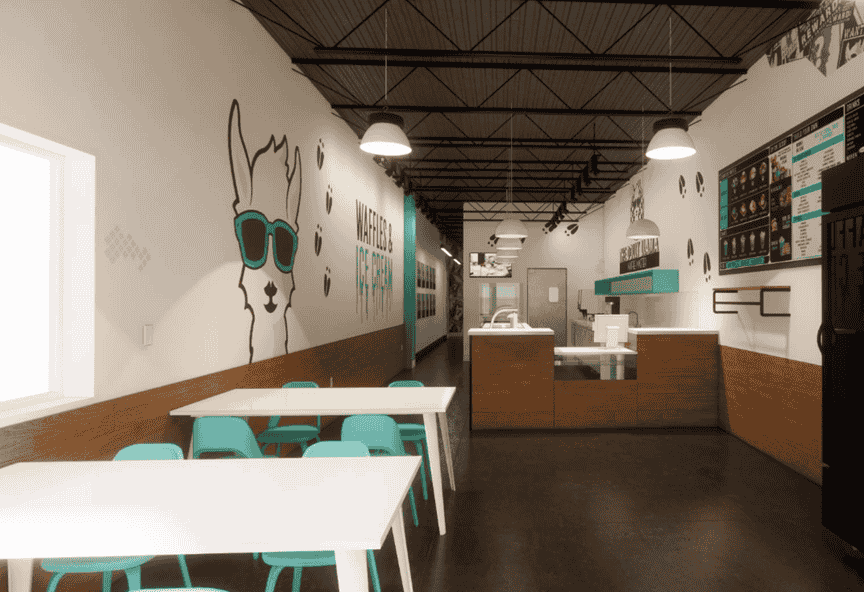
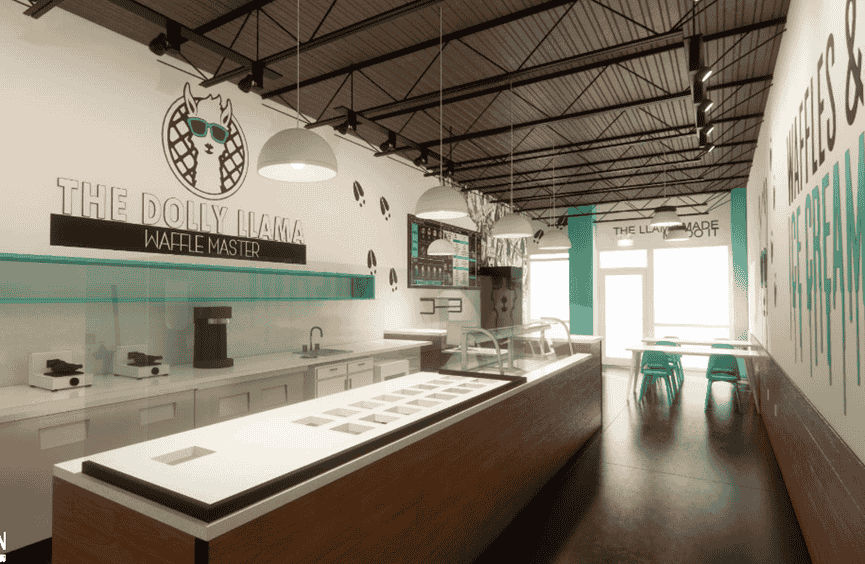
Uppteam was engaged to provide complete construction documentation and visualization support for The Dolly Llama, a 1,600 sq. ft. ice cream parlor in Florida. The scope included precise architectural planning, detailed construction documentation, and 3D visualization support. Our team developed comprehensive layout drawings, coordinated finishes and materials, and produced realistic renderings that accurately reflected the client's vision for the interior ambiance and spatial experience.
 Sreela Biswas
Today’s AEC landscape is highly competitive. Firms are constantly seeking new ways to amplify their productivity and cut down on expenditures, many a time by hiring offshore architectural services. Undoubtedly, this sector encounters unprecedented pressure in delivering projects more quickly than ever before without compromising quality.
Uppteam’s Architecture Offshore Production (AOP) service surfaces as the tactical solution that revolutionizes the way AEC firms in the U.S. handle construction document development. This robust service model has been developed to transform the conventional design-to-delivery operations by streamlining the critical transition from schematic design concepts to construction-ready documentation. All of this is possible through our proven three-phase methodology.
The AOP service demonstrates a game changer in architectural production methodology. Instead of handling every detail internally, firms can concentrate on conceptual design and client relationships while Uppteam’s offshore experts take care of technical document production.
The key benefit lies in the ability to deliver outstanding results with minimal client input, considerably reducing back-and-forth feedback cycles using Uppteam’s extensive knowledge and experience in the field.
Essentially, AOP is architectural outsourcing customized for design deliverables. It entails delegating tasks or the whole design phase to remote experts.
In reality, a firm provides its conceptual designs or schematic drawings, and the offshore partner converts them using proven design phases. These phases involve schematic design, design development, and construction documentation. Each phase encompasses specific inputs and outputs. The client may share a program and concept diagrams, and the offshore team delivers detailed plans, sections, and comprehensively coordinated BIM models.
More importantly, the offshore architectural services operates under U.S. codes and regulations to ensure compliance, thereby extending the firm’s capacity. Consequently, AOP frees architects from routine tasks related to drafting and documentation. This allows them to focus on design creativity and client engagement.
Uppteam’s AOP offering is characterized by three organized project phases. Each of them comes with defined inputs and outputs. These correspond to the critical stages of architectural design. At each phase, Uppteam implements extensive quality checks to guarantee code conformance and precision. Find an overview below:
| Phase | Inputs (from Client) | Uppteam Activities | Outputs (Deliverables) |
| Phase 1 – Schematic | Concept sketches, SD drawings, space program | Refine concept; develop layouts, massing, and basic plans | Preliminary floor plans, elevations, site plan, and schematic 3D model |
| Phase 2 – Development | Approved schematic designs; updated requirements | Enhance detail: coordinate MEP/structural elements; refine materials | Detailed design development drawings (plans, sections, details) |
| Phase 3 – Construction Docs | Reviewed DD drawings and notes | Finalize all drawings; complete sections, details, and schedules | Complete CD set (plans, sections, elevations, details) ready for permitting |
Additionally, every phase of our offshore architectural services contains detailed quality reviews. For instance, Uppteam conducts clash detection and code checks on BIM models ahead of release. This confirms that errors are spotted early. This organized workflow reflects standard AIA phases. However, the offshore team deals with the heavy lifting only after concepts are verified.
It is also worth mentioning that the successful implementation of AOP hinges on clear communication and procedures. Prior to starting, firms ought to define the scope, deliverables, and review schedule. An initial meeting typically establishes project goals and checkpoints. At the time of execution, updates at specific intervals through shared BIM models keep both sides on the same page. It is essential to treat the offshore team as a trustworthy design partner: offer prompt feedback and decision-making to avoid delays.
Upholding desired quality standards is also critical. Experienced firms meticulously review intermediate models and drawings, utilizing code checks and clash detection tools to identify issues early. Clearly, opting for the ideal partner and maintaining open communication are key to ensuring that the outsourced work aligns with the specific project goals.
Uppteam addresses this by establishing clear milestones and incorporating client feedback when needed. In this organized manner, the risk of misalignment is mitigated, and the final construction documents meet the desired quality and accuracy criteria.
Architecture Offshore Production (AOP) is indeed a powerful model for U.S. architecture firms to boost capacity without expanding headcount. Collaborating with a dedicated offshore team fosters expedited project timelines, reduces expenditures, and provides access to specialized expertise.
Uppteam’s AOP offering aligns with our approach of providing offshore architectural services: our team handles all the detailed production work, from schematic design through construction documents, so that your in-house team can focus on its core design vision. Explore how our AOP can simplify your upcoming projects by downloading our comprehensive brochure on Architecture Offshore Production.
Let Uppteam help you remove downtime and rework—so you can deliver top-quality buildings even more efficiently than ever before.
Sreela Biswas 
If there’s one thing that can turn a smooth project into a headache, it’s the dreaded RFI avalanche. Most design teams know the feeling; a coordination review starts with good intentions, and by the time the Navisworks model finishes loading, 4,000 clashes are staring back at them. Half of them are false positives, a quarter are unassigned, and the rest no one remembers modeling in the first place.
The truth is, clashes aren’t the real problem. The lack of a systematic coordination process is.
This is where the best AEC teams separate themselves, not by having fewer clashes, but by handling them with precision, rhythm, and teamwork. At Uppteam, we’ve helped project teams fine-tune their Revit coordination workflows to the point where the RFI count drops, not by luck, but by design. Here’s how that looks in practice.
Let’s start with an uncomfortable truth: clash detection is often treated as an event rather than a process.
Someone runs a model through Navisworks once the design is “mostly done,” generates a 300-page clash report, and then the team spends the next coordination call scrolling through screenshots, arguing over whose model is “right.”
Sound familiar?
The goal isn’t to find clashes, it’s to prevent them from piling up in the first place. And that takes a different mindset.
A good Revit coordination cycle is less about the software, more about the structure behind it. In Uppteam’s experience, the projects that consistently avoid last-minute chaos share three things in common:
Instead of waiting for the “big review,” smart teams run clash checks every one or two weeks, short, predictable bursts. Each sprint concludes with a coordination meeting where conflicts are identified, assigned, and tracked as action items.
It’s a bit like Agile for BIM, smaller loops, faster feedback, fewer surprises.
RFIs multiply when no one knows who owns a clash. The best teams make it explicit. Structural owns beams and embeds. MEP owns routing and clearance. The BIM Coordinator doesn’t “fix” the problem; they facilitate it getting fixed.
Every clash gets an owner, a category (critical, moderate, or minor), and a due date. Simple, but powerful.
A 4,000-clash report doesn’t make you more thorough; it makes you blind.
The trick is triage. Filter out false positives (such as insulation overlaps). Group by system or zone. And focus on what affects constructability or design intent. Uppteam designers often deliver filtered reports that fit on a single page, highlighting only the 10% of clashes that truly matter.
Here’s how a typical coordination sprint looks when run efficiently:
This weekly rhythm transforms coordination from a marathon into a sustainable relay race. Everyone knows their lane, and progress is visible.
You can read a dozen BIM standards and still miss what really cuts RFIs. It’s the small operational habits that add up:
When teams apply these consistently, the RFI count doesn’t just drop; it stays low.
Revit, Navisworks, Solibri, they’re just the instruments. The coordination magic happens in how teams use them.
A design team that collaborates in two-week sprints, communicates through structured clash reports, and maintains clear ownership rarely finds itself writing long RFI explanations later. Coordination shifts from being about firefighting to being about flow.
At Uppteam, that’s precisely the framework we help our clients build. Our designers don’t just model; they run coordination like an operating system. They triage, assign, and follow through on tasks. And when you look at the RFI logs at the end of construction, the difference is measurable.
The best Revit coordination process doesn’t aim to eliminate every clash; it seeks to control the chaos. Think of this playbook as a rhythm, not a rulebook. Start small: one sprint, one filtered clash list, one discipline lead assigned to each issue. The rest will follow naturally. Fewer RFIs aren’t the result of better software. They’re the byproduct of better collaboration, and that’s precisely what Uppteam helps design teams achieve.
Sreela Biswas 
Does your firm still struggle with coordination challenges among structural, architectural, and MEP verticals? Revit positions these clashes in view long before construction work begins. It is crucial to understand that when architects lead coordination, Revit becomes a conduit for clarity, control, and cost savings.
There is no alternative for U.S.-based AEC firms to deliver anything short of high performance. Similarly, clients also expect strict schedules, clear deliverables, and reliable budgets. Therefore, with architect-led Revit coordination, an AEC firm can reduce rework, expedite timelines, and guarantee model precision. Firms gain collaborative clarity throughout all phases of the project.
This blog explores how architect-led Revit coordination streamlines BIM workflows. Studies reveal that infrastructure projects utilizing this coordination approach report up to 35% cost savings.
Architectural firms should position themselves as leaders in coordination, rather than passive participants, in BIM workflows. It is crucial to understand that effective architectural leadership starts with developing robust BIM Execution Plans. They define coordination responsibilities, deliverable timelines, and quality control standards. These plans ensure that architects are the central coordination hub across all project disciplines.
Decisive architectural leadership calls for clear communication protocols and streamlined coordination procedures. Architects have the responsibility to define specific roles and tasks for every project stakeholder. Simultaneously, they should maintain oversight of model integration activities. This leadership approach eliminates coordination gaps that typically arise from individual disciplines operating independently of one another.
Remember that continuous project monitoring and proactive issue resolution are also significant parts of successful coordination leadership. Architects following this approach regularly conduct coordination meetings, track the progress of model development, and confirm alignment between the design intent and construction documentation. Implementation strategies should entail:
It is crucial to understand that maximalism is beyond just aesthetic choices. Instead, it embodies psychological needs for identity, comfort, and emotional connection. The notion of dopamine décor signifies how vibrant spaces can uplift mood and well-being through visual stimulation. Moreover, research validates that maximalism is intricately connected to fostering creativity and self-expression. Through this, maximalist architectural settings strive to provide psychological comfort.
Undoubtedly, this shift gained significant momentum, thanks to social media platforms, by portraying eclectic interiors and personal design storytelling. These platforms aided homeowners in discovering bold combinations that were once considered unconventional. Consequently, professional architectural designers adapted to client demands for homes that echo personality instead of trends.
The backbone of effective model management is efficient architect-led coordination workflows. Revit models ask for structured organization systems that contain multiple disciplines while sustaining performance standards. Consequently, architects should establish clear workset tactics, link management conventions, and file maintenance processes that align with collaborative workflows.
Keep in mind that expert-level model management encompasses regular upkeep initiatives that remove performance degradation and file corruption. Such activities include monthly model audits, purging of unutilized elements, and central file compacting procedures. Appropriate maintenance guarantees that models remain active during coordination and avoid workflow disruptions.
Sophisticated link management strategies in place are pivotal for advanced coordination. They help maintain model connections without leading to performance barriers. Thus, architects should coordinate with MEP and structural professionals to create optimal linking hierarchies and reference protocols. In this context, best practices should comprise:
It is essential to acknowledge that cloud-based platforms, such as BIM 360 and Autodesk Construction Cloud, are invaluable in this context. They enable architects to share models instantly and facilitate team collaboration from a single location. To operate effectively, these systems require explicit norms for data management, access control, and version tracking.
With appropriate protocols in place, architects can benefit on several fronts. They can avoid conflicts, maintain error-free models, and ensure coordination among distributed teams throughout the project.
Contemporary collaboration workflows connect communication tools directly with BIM platforms. The aim here is to simplify coordination activities. Teams can then pursue virtual coordination meetings within Revit environments, mark up models in real-time, and track the advancement of issue resolution via integrated platforms.
This necessitates the presence of proper technology integration strategies. First, it is crucial to configure automatic model synchronization schedules to ensure teams can always access existing project data. Creating cloud-driven issue tracking systems is also vital. They are directly linked to specific model components.
Next, mobile access protocols should be implemented. They facilitate on-site teams in referencing coordination models during construction. Lastly, the creation of automated notification systems should be prioritized. It is to ensure team members are aware when model updates impact their work areas.
Another critical factor for architect-led coordination is the development of innovative strategies to integrate MEP and structural systems within Revit environments. Setting clear modeling standards is imperative for successful integration. They demonstrate the role of every discipline in the coordinated model. Architects must coordinate with engineers to ensure seamless model linking, effective reference management, and accurate clash detection processes.
Perfect coordination means aligning structural and MEP systems with the architectural design as well. Architects and engineers should collaborate to plan system routes, clearances, and sequences while specifying coordination zones to ensure seamless integration. The purpose of this is to avert conflicts. They also deal with load paths, geometry, and connections to ensure the effortless alignment of structural elements with design properties. By taking care of these factors early, teams can prevent expensive field changes and delays. However, there is no compromise in maintaining design integrity and constructability.
There are specific coordination considerations that have to be made. Clear zone definitions should be established for MEP system routing. This prevents conflicts with architectural and structural components. There must be regular clash detection assessments through Navisworks or similar platforms. These reviews help recognize and address coordination conflicts.
Next, coordinating building envelope details assists in ensuring ideal integration between MEP, architectural, and structural systems. Having the right construction sequencing tactics is also crucial to support the efficient installation of all building systems.
It is essential to understand that automated clash detection in BIM helps architects identify system conflicts early. However, its best use requires more than just reports. Architects should review results, establish resolution priorities, and coordinate with verticals while considering construction sequences and site access.
On the other hand, clear communication, assigned responsibilities, and timely reviews ensure proper clash resolution. With organized protocols, architects ensure model coordination, eliminate field issues, and guarantee that proposed solutions adhere to core design and installation specifications. Resolution strategies should comprise:
Clear communication should be perceived as the foundation of architect-led coordination. It needs to be supported by integrated BIM platforms that connect discussions explicitly to model components. These tools help centralize several key aspects, including project correspondence, issue tracking, and meeting records. They assist architects in conducting reviews, creating visual markups, and monitoring progress.
With standardized conventions for information sharing and decision documentation, confirm consistency across teams. Key strategies involve structured agendas, centralized dashboards for live visibility, markup tools for design clarity, and documentation processes that merge coordination choices directly into model elements and project phases.
Architect-led coordination in Revit undoubtedly revolutionizes BIM workflows for AEC businesses. When architects establish standards, enforce model integrity, and facilitate cross-disciplinary alignment, projects are completed with fewer conflicts, better precision, and reduced risk. Architects, leading coordination, see better deliverables from MEP, structural, and architectural verticals. They ensure more precise drawings, very few RFIs, and more powerful collaboration.
If your AEC business values clarity, efficiency, and reduced rework, you deserve a partner with expertise in Revit coordination, BIM standards, and multidisciplinary model management. Uppteam provides specialized BIM, architectural design, structural services, and MEP design support.
We assist your firm in implementing architect-led Revit coordination with the highest accuracy. Contact us to explore how Uppteam accelerates project delivery, mitigates risk, and enhances returns through smarter coordination.
Sreela Biswas 
These days, American homeowners are embracing opposing design philosophies when it comes to their residential spaces. A subtle shift from “less is more” to “more is more” is quite apparent. What it means is that in the coming years, we are likely to see more of “maximalism” in residential architecture.
It’s true that for decades, contemporary American homes prioritized minimalist architecture. Open plans, clean lines, and neutral colors were people’s choices. However, an ongoing bold wave of maximalism is countering that norm. The focus is now on abundance, palette, and rich decorative details.
Recent surveys highlight that the U.S. architectural services market was valued at $73.01 billion and is speculated to grow at a 4.2% CAGR from 2024 to 2030. Design preferences are becoming increasingly polarized between the minimalist and maximalist philosophies.
According to a 2022 survey, minimalism was still dominating the daily preferences of American residents. In contrast, emerging data unveil increasing dissatisfaction with sterile aesthetics, as homeowners look for spaces that contemplate individual identity and emotional connection.
Simply put, maximalism constitutes the antithesis of minimalist restraint, characterized by layered textures, bold colors, and an organized abundance that celebrates personal expression. Understanding these evolving preferences facilitates architects in navigating client expectations and delivering spaces that align aesthetic appeal with functional requirements.
Simplicity, practicality, and spatial efficiency are at the heart of minimalist architecture’s prominence. The shift prioritized open floor plans, geometric forms, and the incorporation of natural light to create balanced living environments. Neutral palettes of grays, whites, and earth tones define minimalist spaces, while natural materials like stone and glass add authenticity.
For architectural firms, embracing minimalism was due to its cost-effectiveness and universal appeal. Besides, fewer design elements curtailed construction complexity and streamlined maintenance needs, which appealed to busy homeowners. This design philosophy aligns with sustainability objectives through reduced material usage and energy-efficient systems.
Nevertheless, detailed market research reveals a decline in satisfaction with minimalism among American homeowners. The sterile look and lack of customization contributed to emotional disconnection from living spaces. Younger demographics, especially, rejected minimalism’s limitations on cultural representation and self-expression over time.
It is crucial to understand that maximalism is beyond just aesthetic choices. Instead, it embodies psychological needs for identity, comfort, and emotional connection. The notion of dopamine décor signifies how vibrant spaces can uplift mood and well-being through visual stimulation. Moreover, research validates that maximalism is intricately connected to fostering creativity and self-expression. Through this, maximalist architectural settings strive to provide psychological comfort.
Undoubtedly, this shift gained significant momentum, thanks to social media platforms, by portraying eclectic interiors and personal design storytelling. These platforms aided homeowners in discovering bold combinations that were once considered unconventional. Consequently, professional architectural designers adapted to client demands for homes that echo personality instead of trends.
It is evident that geographic elements impact architectural style adoption considerably throughout the U.S. In this provision, there is something that needs to be understood clearly. Colonial and traditional American styles account for approximately half of the for-sale market. This demonstrates regional heritage and cultural preferences. Alternatively, Mediterranean styles are dominant in posh markets like Miami and Los Angeles, commanding premium prices.
When it comes to the northeastern regions, the inclination is toward integrating conventional elements with contemporary functionality. Shutters in coastal communities and Dutch Colonial influences exhibit regional vernacular traditions. In the southwestern region, homeowners are embracing adobe-style exteriors and earth-tone colors that accompany desert landscapes. Therefore, variations in architectural design preferences in the different areas are noticeable.
Another essential factor to consider is that millennial household formation will drive approximately 70% of new construction demand through 2030. However, preferences are expected to differ by region. Additionally, Sun Belt metros fascinate buyers looking for walkable communities with smart home integration. Overall, urban areas are showcasing more and more acceptance of maximalist choices, while suburban markets are still maintaining conservative design options.
Undoubtedly, precision is central to prefabrication. In a factory environment, specialized equipment can cut and assemble modules according to exact specifications. This leads to extremely rigid tolerances.
Factories also incorporate continued checks, where inspectors authenticate quality at every production stage and compare output with validated models. This level of vigilance, often through detailed checklists, helps catch defects on the factory site rather than during construction. As a result, there are fewer expensive field modifications.
As for technological impact, it is essential to talk about Building Information Modeling. It has drastically revolutionized the entire architectural design landscape. BIM enables error-free visualization of complex maximalist compositions. In fact, BIM tools facilitate architects in examining bold palette combinations and pattern interactions before actual construction. Moreover, smart home systems collaborate effortlessly with both design approaches, delivering practicality without sacrificing aesthetic vision.
Last but not least, VR proves to be especially valuable for maximalist projects. This is simply because visual complexity calls for meticulous coordination. Clients get to experience suggested spaces immersively, fostering informed choices regarding bold design elements. Evidently, this technology decreases revision cycles and elevates project satisfaction rates.
Now, let’s look into how the market is likely to behave in the coming years. Evidence confirms that the residential construction market in the U.S. has reached $1.35 trillion in 2025. By the end of 2030, this market is expected to be valued at around $1.69 trillion.
Besides, the condominium and apartment segments are predicted to grow 6.23% every year, highlighting urban density priorities and changing lifestyle demands. It is also worth mentioning that single-family homes are changing with smaller sizes and more shared community features.
Renovation projects are growing by 5.76% each year as homeowners update spaces to match new tastes. Energy retrofits cost about $25,000–$50,000 and often include design changes. However, maximalist renovations usually need bigger budgets because of custom finishes and complex installations.
Since minimalist approaches usually need fewer resources, material costs have an impact on the final design choice. Conversely, maximalist projects necessitate diverse materials and niche craftsmanship, which enhance project complexity and overall expenses. Yet, maximalist spaces seldom get higher resale values because of their unique character and emotional appeal.
It must be acknowledged that for successful implementation, it is critical to understand the lifestyle patterns of clients and their individual emotional needs. Clients preferring minimalism usually seek efficiency and calm settings. On the contrary, minimalist clients search for expression and stimulation. So, professional architects need to balance these demands through thoughtful space planning and material selection.
Concerning maximalist projects, quality control is of significant value because of enhanced complexity and coordination needs. To achieve cohesive outcomes, multiple patterns, colors, and textures should be precisely executed. Additionally, third-party monitoring would ensure the design vision translates successfully into a constructed reality.
Clearly, the transition from minimalism to maximalism relates to more profound cultural shifts in American residential architecture beyond simple aesthetic choices. Market research assures that the demand for personalized spaces is growing. This resonates with individual identity and maintaining practical performance standards. The residential construction market now accommodates both minimalism and maximalism through different project types and region-specific preferences that align with local cultural influences.
What modern architects need to do is navigate these opposing trends by grasping clients’ psychological desires and lifestyle needs. Uppteam’s robust architectural design services can deliver the specialized expertise imperative to steer these changing tastes in U.S. residential architecture. Ultimately, Uppteam‘s remote support allows firms to provide both minimalist efficacy and maximalist abundance. Alongside, we ensure optimal project quality, schedule adherence, and client satisfaction throughout the design and construction phases.
Sreela Biswas 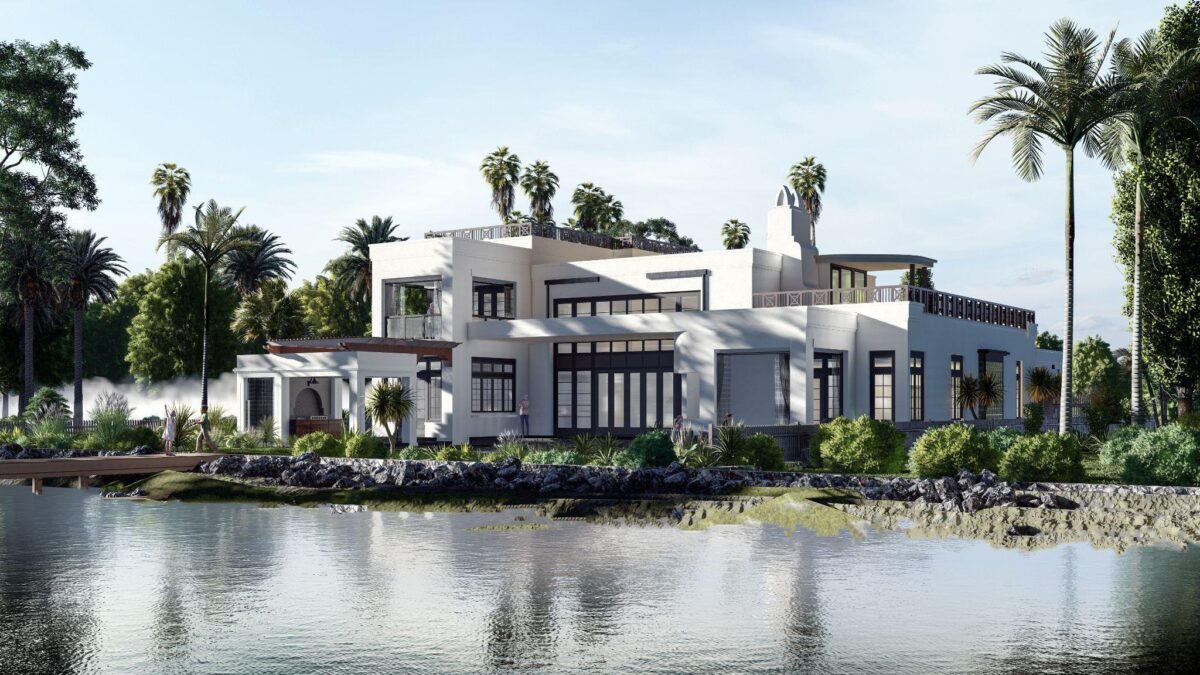
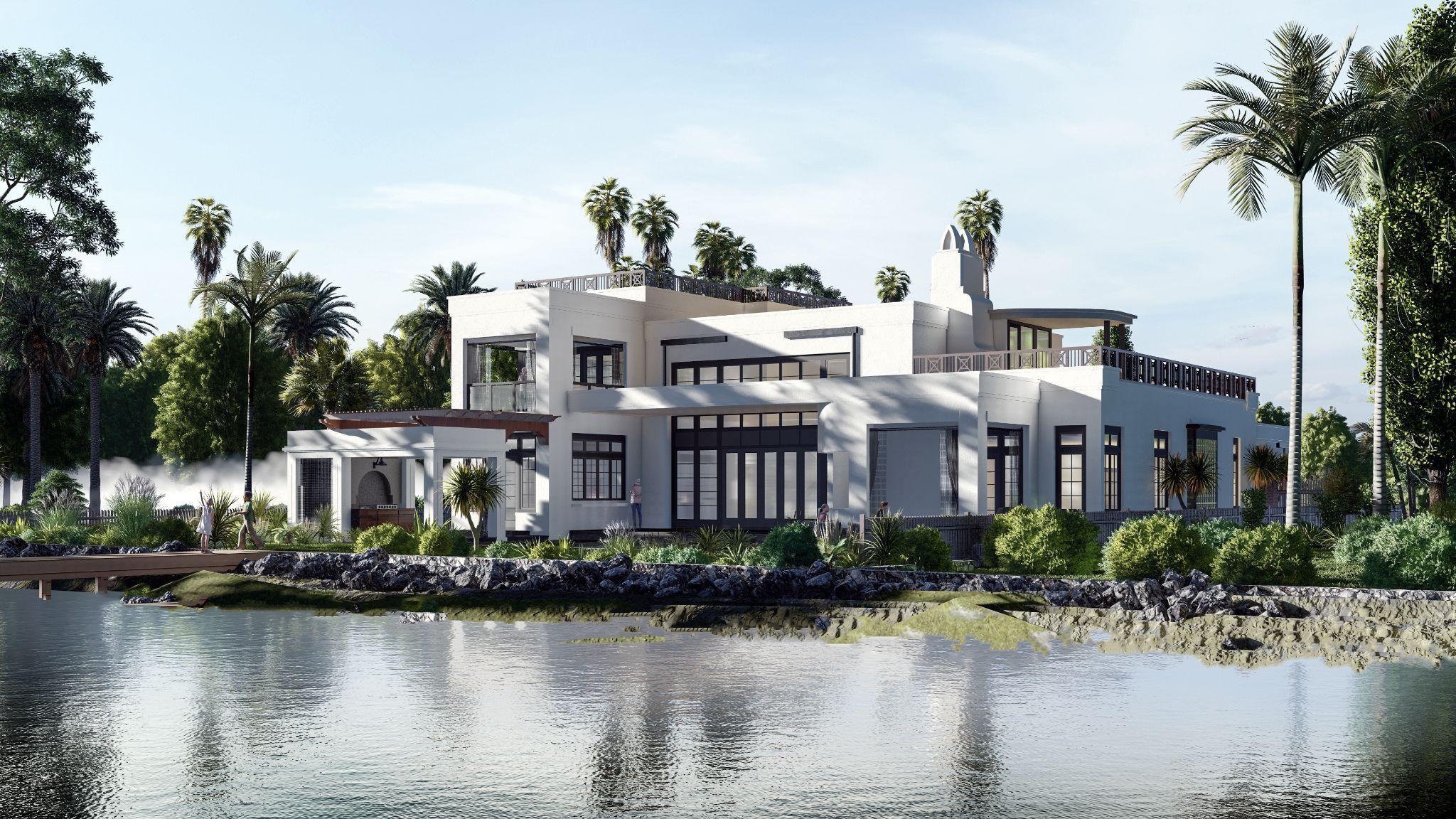
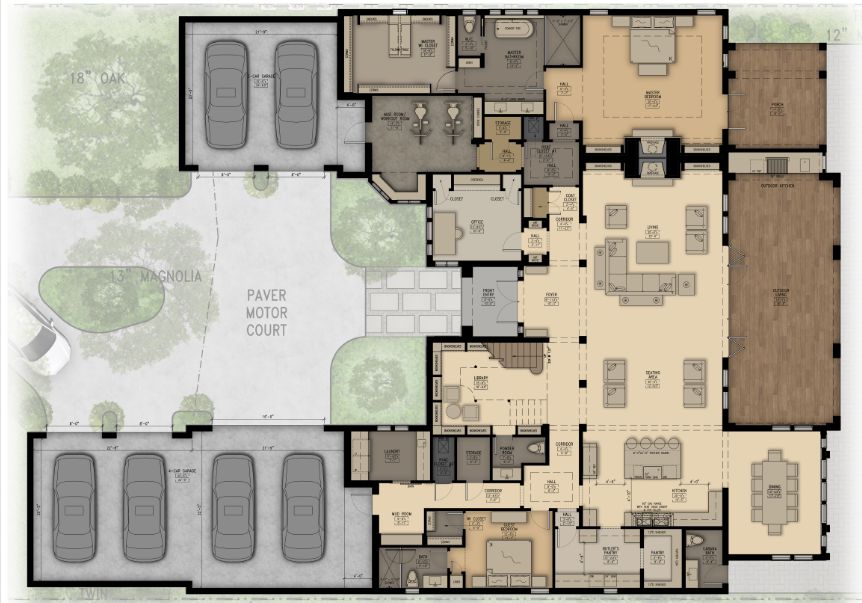
Uppteam was engaged to support a residential project in Florida, where the client required high-quality 3D visualization and rendering services. The scope covered end-to-end visualization support, including converting rough hand sketches and fragmented floor plans into a coherent architectural set, preparing 2D and 3D drawings, and producing photo-realistic renderings.

Your One-Stop MEP Design Support Solution is Here
Hire Remote Team at an Affordable Price!