Uppteam

ArchViz Portfolio

  • Soumen
  • September 29, 2024
  • 12:54 pm

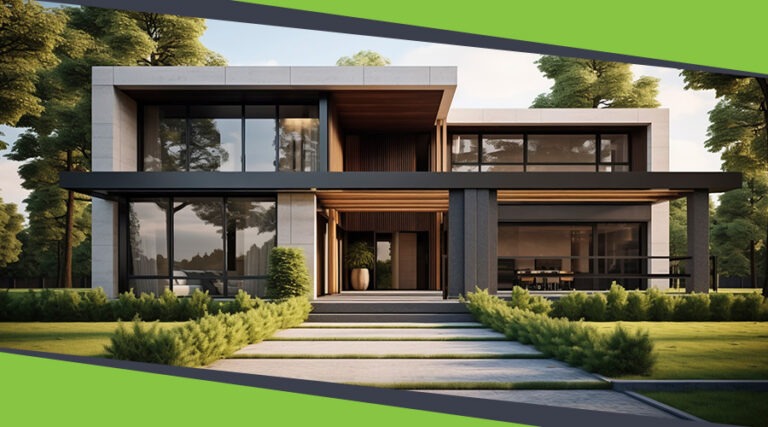
Discover our architectural design excellence through a curated selection of projects. Our portfolio highlights innovation, detail, and quality in every design from concept to completion. Download the brochure to see our work in action!

Download Now

Architectural Design Support

  • Soumen
  • September 29, 2024
  • 12:53 pm

From Construction Documents to high-quality renderings, our expert team transforms concepts into reality. Whether it’s 3D-printed models, as-built modeling, or walkthrough animations, we bring your designs to life accurately and efficiently. Download our Architectural Design Support brochure to explore our capabilities and learn how we can help you.

Download Now

Home Design Rendering Portfolio

  • Soumen
  • September 29, 2024
  • 12:43 pm

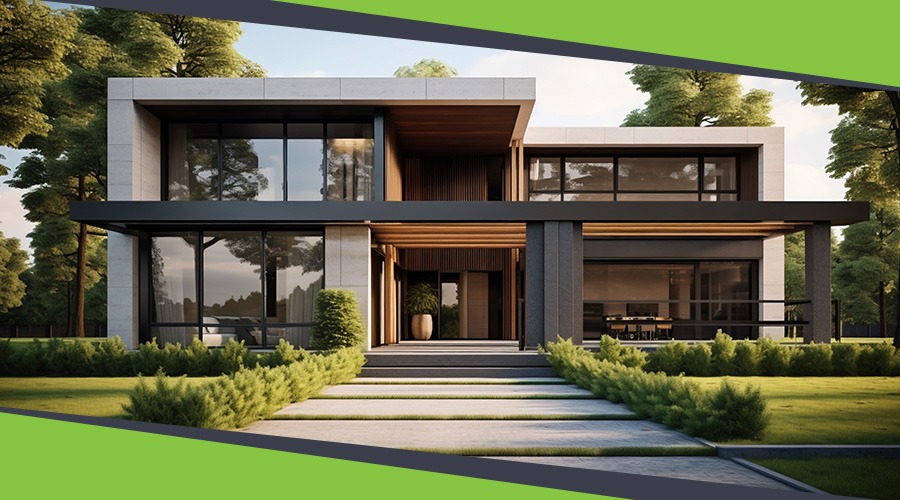
Explore our stunning home design portfolio, featuring a diverse range of residential projects that blend creativity, functionality, and modern aesthetics. Get inspired by our designs and see how we bring dream homes to life. Download the brochure to view our work!

Download Now

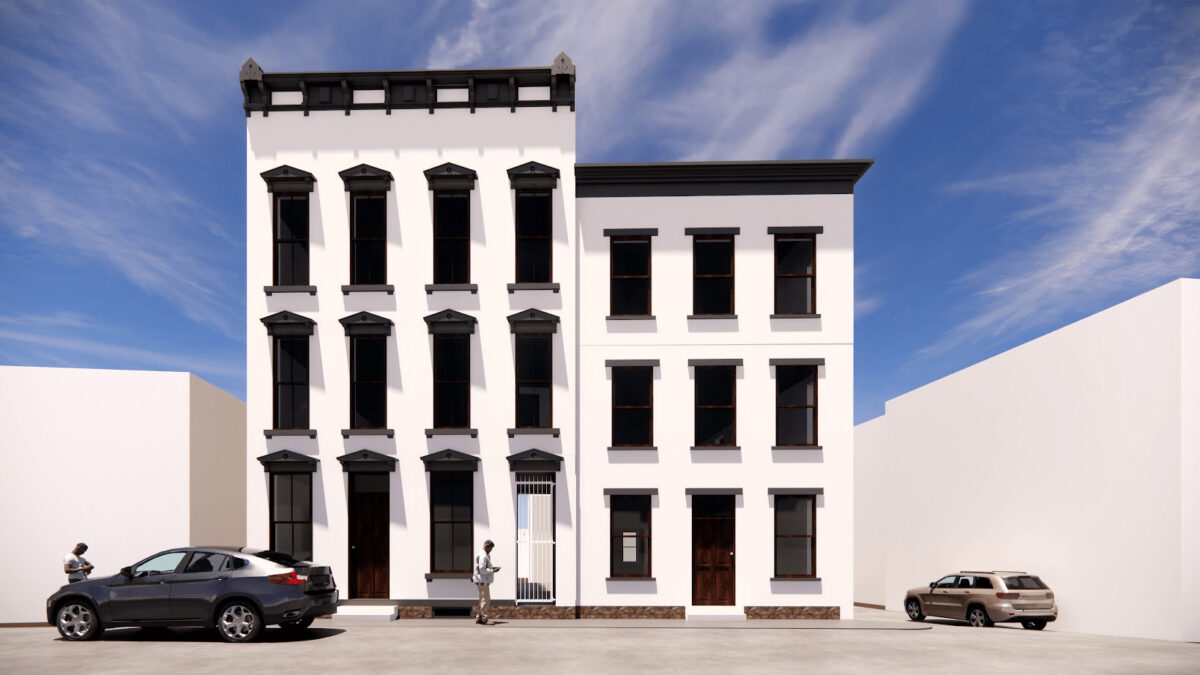
Tailored Architectural Solutions for Complex MEP Projects in Connecticut

  • arnab
  • September 28, 2024
  • 7:40 pm

Intro

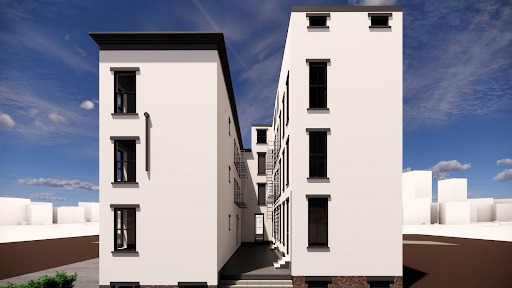
Uppteam and our Connecticut-based client, primarily focused on MEP projects, collaborated for customized design support. The following case study is a testament to our designer’s expertise in handling multidiscipline designs. Want to know more? Keep reading. 

Project Type: Multifamily Residence

Software Used: AutoCAD, Revit, and Photoshop

Task Assigned

The primary challenge in this project was limited initial information. The client provided only site plans and design requirements, and our architectural designers needed to develop complete design sets from this minimal starting point.

Our team members also had to manage multiple design options, the complexity of which added to the challenge of maintaining coherence and efficiency in the design process.

Challenges

The primary challenge in this project was limited initial information. The client provided only site plans and design requirements, and our architectural designers needed to develop complete design sets from this minimal starting point.

Our team members also had to manage multiple design options, the complexity of which added to the challenge of maintaining coherence and efficiency in the design process.

Solutions

Our design team provided site plans to create complete design sets to resolve the challenges. They developed detailed floor plans and elevations, filling in the gaps from the initial information. Uppteam also handled modeling work for these options, giving the client various choices.

We leveraged CAD and Revit to develop working sets tailored to the client’s requirements. This dual approach allowed for flexibility in design and presentation, completing exterior 2D renderings, complete construction sets, and 3D modeling in Revit.

The projects we worked on varied in scale, reaching up to 18,000 sq. ft. Despite their complexity and size, our team completed most of the architectural scope of work within a 4-week. This helped to expand the client’s capabilities and resulted in well-received project outcomes.

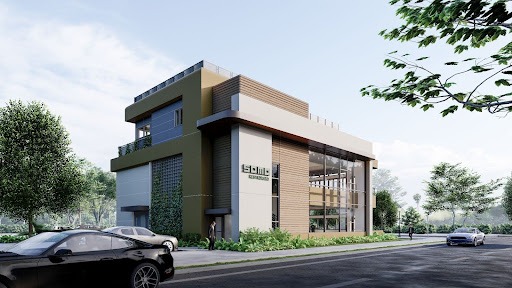
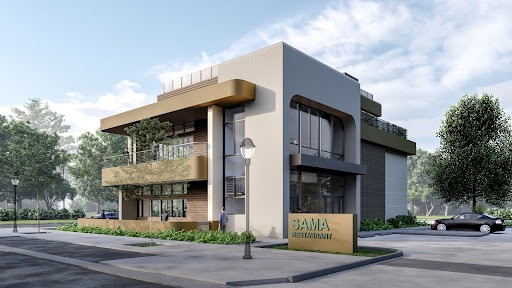
A Florida Restaurant Visualization Before Construction

  • arnab
  • September 28, 2024
  • 7:35 pm

Intro

Uppteam and its client collaborated on a restaurant design project. The following case study explains how our architectural design team translated the client’s vision into a tangible design within 4 days. Read on to learn more.

Project Type: Commercial

Software Used: Revit, AutoCAD, and Lumion

Task Assigned

The client assigned us to create a 360° view of a restaurant they planned to build. They wanted to visualize how the completed project would look like before they invested in construction.

Challenges

One of the primary challenges in this 12000 sq. ft. project was effectively communicating and understanding the client’s vision. It required careful listening, explaining feasibility, and finding creative solutions aligned with their aspirations.

The design process was akin to sculpting, starting with a rough sketch and gradually refining it based on the client’s feedback. Transforming an abstract idea into tangible reality presented formidable challenges as we handled unforeseen obstacles.

Solutions

Uppteam employed a visual approach to overcome the challenges of effectively communicating and understanding the client’s vision. We used Revit modeling, CAD drafting, and rendering services to create detailed 3D representations of the restaurant. These tools allowed the client and the design team to visualize the space, layout, and aesthetics, fostering a shared understanding of how the project would look post-construction.

The project’s success hinged on effective communication, iterative design, and advanced visualization tools. This allowed for flexibility and adjustments, ensuring the final design aligned with the client’s vision.

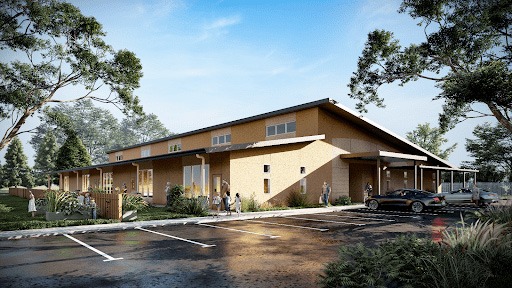
Revit Model & CD Set for Childhood Center in Florida

  • arnab
  • September 28, 2024
  • 6:56 pm

Intro

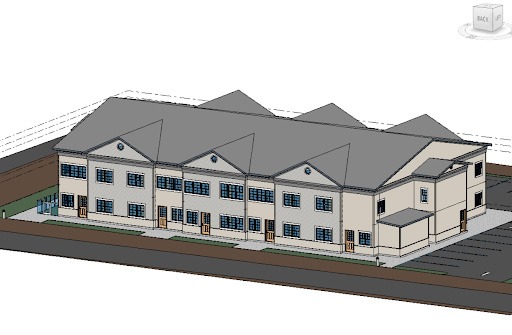
During a recent endeavor involving an early childhood center, Uppteam effectively managed the challenges of incorporating a pre-engineered metal building system. Read more to explore our challenges and how our professionals resolved those.

Project Type: Educational Building
Software Used: AutoCAD, Bluebeam, Lumion, and Revit.

Task Assigned

Childcare facilities in the United States offer educational and nurturing services for young kids. The task was to create pre-engineered metal construction based on the client’s initial floor plans for the educational center.

Challenges

The project was incredibly challenging, as we had to pre-design a metal construction framework for a 12,210 sq. ft. building. Although the client provided us with CAD files and a reference project, creating a construction design for an educational institute was challenging.

Engaging with client-side team members made measuring progress persistently difficult. The team was skeptical about finishing the project on time, and the client wanted Uppteam’s architectural designers to comply with all the childcare facility standards.

Solutions

We conducted thorough research into pre-engineered metal buildings and actively engaged with clients, referencing comparable projects, providing continuous feedback, and answering questions.

Our advanced project management methodology helped us maintain workflow to ensure the timely completion and delivery of the project. Finally, Uppteam’s capable architectural design team delivered the project within 5 working days, saving the client significant time.

Quantity and Material Takeoff Estimation for a Residential Project in Ohia

  • arnab
  • September 28, 2024
  • 6:13 pm

Intro

One of the most challenging tasks the Uppteam experts completed was to create an estimation with material and quantity takeoff calculations for a residential project in Ohio in less than 7 days. Read more about how we achieved this.

Project Type: Residential
Software Used: Revit, Lumion, Bluebeam Takeoff, On-screen Takeoff, and Microsoft Office

Task Assigned

The client wanted Uppteam to help them estimate construction costs, keeping in mind the market prices of the materials. They provided schematic drawings for the elevation development for the county presentation.

Challenges

The significant challenge in this project was managing time and complying with best practices in such a short time for a 21,890 sq. ft. residential building. The client wanted us to complete the project within seven days.

Solutions

We employed secondary research to find accurate pricing using various websites and our vendor & partner connections. Once we understood the pricing, we partnered with suppliers and logistics teams to ensure we met the standards. The team meticulously researched the current market rate based on the client’s location to create a thorough labor cost estimate.

We started material takeoff per CSI divisions using Bluebeam Takeoff with the client’s approval. Once we conducted price research, we created a competitive estimate for the project utilizing Microsoft Office tools.

This project highlights our skill in construction cost estimation and our promise to deliver prompt, top-notch service that satisfies client requirements and market needs. Our professionals competed against time to ensure early delivery while maintaining code compliance.

Low-Cost Home Design Ideas: How to Maximize Space on a Small Budget

  • ajay tribhuwan
  • September 11, 2024
  • 6:39 am

Living on a tight budget does not have to mean sacrificing design. With planning and innovative solutions, you can maximize every square foot and design a room that seems welcoming. Here are some creative, low-cost home-building design plans to maximize space and save expenditures, whether creating a new house plan or remodeling an old one.

Affordable Architectural Home Design Tips for Maximizing Space on a Tight Budget

Embrace Open Floor Plans

Adopting an open floor plan is one of the best methods to optimize space in a tiny, low-cost home. Removing boundaries between rooms can give the impression of greater fluidity and space. Open floor layouts also make possible better natural light distribution and a sense of continuity between the house’s many rooms. For example, the living room and kitchen can feel more extensive and integrated into one open space.

Utilize Multi-Functional Furniture

Purchasing multi-functional furniture is a wise way to maximize a tiny area. Sectionals and switchable dining tables are examples of pieces adaptable to various uses. For instance, a bed with drawers below or a coffee table with storage can help prevent mess and make room for other purposes.

Opt for Vertical Storage Solutions

Wall-mounted shelves, towering bookshelves, and hanging storage units efficiently use wall space. Vertical storage options let you keep your possessions accessible and tidy without occupying a small house plan. One way to boost storage is to use tall cabinets or add floating shelves above counters.

Incorporate Smart Design in House Plans

A well-designed house plan can significantly improve how well you use your space. When creating a house plan with basement, think about adding extra storage or integrating the basement into the main living area. Basements can be converted into multipurpose spaces like an additional bedroom, home office, or entertainment room, adding valuable space without substantially raising the overall cost.

Make Use of Under-Stair Space

If your house has stairs, the area beneath them is frequently unused. This space can be used as an office, a reading corner, or practical storage. It is ideal for built-in shelving units or custom cabinetry, keeping your house functional and orderly.

Choose Light Colors and Mirrors

Mirrors and light hues can provide the illusion of more space and openness in tiny spaces. Light-colored, neutral wall paint can draw attention to natural light and give the impression of more excellent space. When placed correctly, mirrors can also reflect light and provide the illusion of a larger room. This low-cost design technique can change the space.

Optimize Small Outdoor Spaces

Remember to value your home’s balcony or tiny yard as possible additions to your living space. Small outdoor spaces can be transformed into valuable places for meals and relaxation or comfortable shelters with the help of vertical gardens, creative landscaping, and compact outdoor furniture. Including outdoor living spaces that maximize shoreline views in your lakehouse design ideas might improve the overall atmosphere of your house.

Consider Modular and Prefabricated Designs

Prefabricated and modular designs can provide affordable ways to maximize available space. These houses are constructed in modules or components that are assembled on-site. They can be tailored to meet your needs and frequently use available space effectively. Prefabricated houses are an ideal option for homeowners on a tight budget because they can be less costly than conventional building processes.

Implement Creative Storage Solutions

Using creative storage solutions, you can make the most of every square inch of space. Consider putting built-in shelves in disused corners, beneath beds, and around door frames. Hanging racks and over-the-door organizers are other ways to add more storage without consuming floor space. When designing a small house floor plan, consider including integrated custom storage solutions.

Prioritize Functionality in Design

When creating home building design plans, practicality should precede irrelevant details. Pay attention to what is essential to regularly improving your quality of life and ensure it has a purpose. Simple, valuable features and avoiding elaborate designs will help maximize the utility of your property while minimizing expenses.

Opt for Simple and Cost-Effective Materials

Selecting accessible accessories for your eyes and wallet can help you achieve a trendy design while staying within your budget. Affordable materials like engineered wood, laminate flooring, and inexpensive tiles can create an appealing finish without breaking the bank. When choosing fixtures and finishes, go for reasonably priced and long-lasting solutions.

Incorporate Energy-Efficient Features

Including energy-saving elements in your house plan design can save money and improve your property’s comfort. Energy-efficient appliances, LED lights, and windows can lower utility expenses while enhancing overall performance. Upgrades like this can benefit tiny homes, where every cent saved matters.

Transform Your Space Affordably With Our Smart Architectural Home Design

With the correct strategy, remodeling your house on a budget is feasible and immensely satisfying. At Uppteam, we are experts at designing creative and affordable house plans that maximize your available space. Our knowledgeable staff is ready to help you every step of the way, whether your vision involves a lakehouse design plan, a basement-style home plan, or small house floor plans.

Our architectural home design guarantees that your house is both trendy and functional. Allow us to assist you in discovering your dream with specialized house construction design ideas that exceed your expectations and meet your budget. Contact us to begin your path toward a gorgeously planned house that maximizes every square inch of space.

Do AR and VR Have Any Impact on Building Advanced 3D Modeling?

  • ajay tribhuwan
  • September 6, 2024
  • 11:03 am

Augmented and virtual realities have transformed architectural design. Architects now create interactive 3D models, allowing clients to explore designs before construction. This immersive approach enhances communication and simplifies decision-making. Clients can instantly visualize various options, materials, and finishes, resulting in more informed choices and greater satisfaction.

AR enhances efficiency and safety on construction sites. Workers equipped with AR-enabled devices can directly see overlays of building plans, electrical systems, and plumbing in the physical space. Thus, architectural design service providers reduce errors, improve precision, and speed up construction. Safety briefings and equipment training can be conducted in virtual environments, reducing risks associated with on-site training.

VR, on the other hand, excels in project planning and teamwork. By exploring virtual models, crews catch potential snags before they become expensive on-site headaches. It’s also a game-changer for remote work—team members across the globe can meet in virtual rooms, hashing out issues face-to-face without travel.

AR can enhance facilities management by providing real-time building data, aiding designers in quick responses, and reducing downtime. Despite the challenges, AR and VR offer significant potential for reducing costs, improving project outcomes, and enhancing safety in architecture and construction.

3D Architectural Rendering Services for Better Design Coordination:

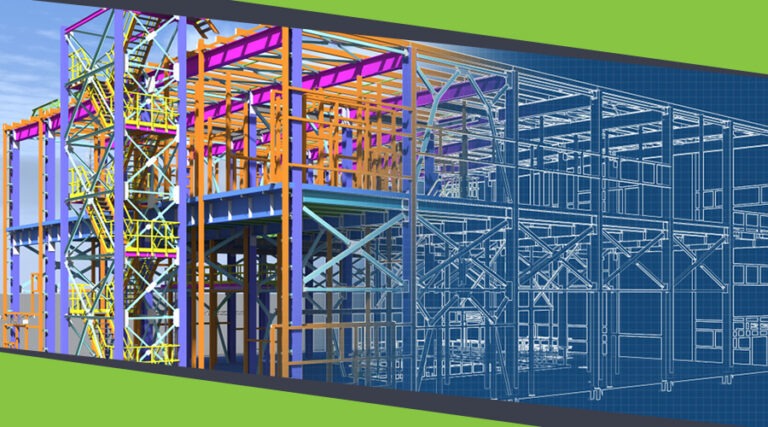
Uppteam’s design team delivers cutting-edge 3D modeling services that revolutionize building design and construction. Our specialized BIM technology creates comprehensive digital twins, enabling clients to address potential issues early on proactively.

Our team of skilled modelers and architects collaborates to produce highly coordinated 3D models that integrate all aspects of a building’s systems. Every component, from structural elements to mechanical, electrical, and plumbing systems, is meticulously crafted and aligned within our virtual environment.

Advantages of 3D BIM Modeling Services:

Building Information Modeling services provide multiple benefits to construction professionals:

  • Clash detection and resolution
  • Calculating the value of engineering models
  • Project coordination
  • Change orders
  • Conflict resolution among various disciplines
  • Reduction in material wastage
  • Augmented productivity
  • Construction visualization
  • Precise as-built drawings

Uppteam’s architectural and engineering design team utilizes 3D BIM tools to detect design clashes among various disciplines accurately. This enables us to help our clients with better project planning and overall project estimation based on material takeoff calculations. Our information models ensure that our clients complete their construction projects smoothly and within their budget.

Better Visualization with Virtual Reality:

Uppteam’s architectural and engineering designers utilize virtual reality to revolutionize the construction industry, converting how projects are visualized, planned, and executed. Our VR-enabled services create immersive, interactive backgrounds that bring blueprints to life, offering exceptional insights and collaboration opportunities for all collaborators.

Advantages of VR in BIM 360:

  • It allows us to visualize various disciplines across platforms
  • Identifying potential problems through virtual reality
  • 360° view of the entire building site

Our cutting-edge VR environments display BIM models and bring them to life. We create a dynamic, interactive platform that revolutionizes design and constructability reviews by overlaying highly detailed BIM data onto immersive virtual spaces.

How VR Impacts the Construction Industry:

The top AEC firms in the USA started utilizing VR technology, revolutionizing the construction industry. VR provides a highly immersive experience of completed projects within 3D BIM models. This enhanced visualization allows users to examine models, leading to increased productivity and efficiency thoroughly.

VR technology complements traditional coordination tools like BIM 360 and Naviswork, offering additional advantages such as:

  • A scale in real-time for a more distinct understanding of space.
  • Enhanced visualization led to a 40% increase in productivity.
  • To comprehend natural 3D models, depth sorting is essential.

Transforming Building Industries with Immersive VR and AR

Advanced digital tools are transforming the construction and architectural design service, providing new possibilities for efficiency, accuracy, and creative expression. Let’s explore the key advantages these advanced visualization methods bring to the industry:

Optimized Planning and Execution

Immersive digital environments allow professionals to examine designs with unparalleled detail. This capability enables immediate modifications based on stakeholder input, accelerating project timelines and ensuring all parties have a crystal-clear understanding of the proposed structures.

Advanced Machinery Oversight

Cutting-edge visualization aids in supervising equipment functionality during building phases. Interactive, three-dimensional guides tailored to specific operations replace outdated paper manuals. This enhancement boosts productivity and reduces interruptions by offering workers easily accessible, up-to-the-minute instructions.

Heightened On-Site Protection

Modern immersive tools elevate workforce protection by providing distance-based assistance and lifelike simulations for skill development. Top AEC firms in the USA can receive expert counsel and troubleshooting help remotely, reducing potential dangers and ensuring consistent adherence to protective measures throughout a project.

Elevated Stakeholder Interaction

Successful ventures hinge on clear communication, and advanced visualization fosters deeper collaboration between design experts and investors. By showcasing intricate digital models and seamlessly incorporating feedback, these innovations guarantee that blueprints align perfectly with stakeholder visions from conception to fruition.

Boosted Revenue Generation

Interactive digital layouts and engrossing experiences significantly enhance property promotion efforts, increasing interest and conversion rates. Cutting-edge visualizations offer potential investors an engaging preview of developments, expediting deal closures and maximizing returns for property developers.

Unleashing Inventive Potential

Advanced immersive technologies enable designers to explore innovative concepts and test groundbreaking ideas in a safe digital environment. By overcoming the limitations of traditional design methods, these tools foster bold experimentation and facilitate the creation of remarkable architectural achievements.

Immersive Property Showcases

Specialists in digital walkthroughs craft captivating experiences using high-fidelity site imagery, delivering interactive panoramic files to clients for comprehensive virtual exploration. These fully immersive tours provide unprecedented freedom to move through a property, offering stakeholders a compelling and realistic view of their investments.

In A Nutshell:

This exploration of augmented reality (AR) and virtual reality (VR) in architecture and construction underscores their role as innovative tools and transformative forces reshaping the entire building lifecycle. From initial design to final construction and beyond, AR and VR revolutionize how professionals conceptualize, communicate, and execute projects. Their synergy with Building Information Modeling (BIM) fosters enhanced collaboration, better decision-making, and significantly reduced errors and costs.

The benefits are far-reaching:

  • Architectural design service providers can create and present designs in unprecedented detail
  • Clients can experience spaces before they’re built, leading to more informed decisions
  • Construction teams can visualize complex systems and identify potential issues early
  • Safety training becomes more effective through immersive simulations
  • Project stakeholders can collaborate seamlessly across distances

Despite current challenges, the long-term benefits of AR and VR in construction and architecture are undeniable. As these technologies advance and become more accessible, we can anticipate even more innovative applications that will optimize the building process, improve safety, and redefine the boundaries of architectural design.

The future of construction and architecture is here, virtual and interconnected. Embracing these technologies redefines how we design, build, and experience our built environment.

What Are Foundation Plans? Reliable Floor Planning Foundation Solution

  • ajay tribhuwan
  • August 30, 2024
  • 7:16 am

As the essential components that guarantee a structure’s safety and usability, foundation plans and flooring options are vital to the stability and operation of buildings in the construction industry; as technology develops, it becomes more and more necessary to use cutting-edge technologies to maintain high building standards. This blog examines how 3D BIM modeling services, in particular, can improve the accuracy and productivity of flooring installations and foundation design. Construction workers can achieve better project outcomes and quality using 3D BIM to speed the building process, increase collaboration, and create more accurate designs. 3D BIM offers detailed and interactive models. 

Foundation Plans - A Blueprint for Stability

The cornerstone of any construction project is the foundation blueprints, including information on its type and size. 

Structural Integrity

Foundation plans are essential to guarantee that a building’s foundation can sustain the structure and avoid issues like settling and cracking. These blueprints have complete instructions for constructing a sturdy foundation that equally distributes weight and adjusts to the properties of the surrounding ground. A well-designed foundation project foresees issues and ensures that the foundation will be durable and robust for the duration of the building, which is essential for maintaining the long-term durability of the structure.

Regulatory Adherence

Any construction project must adhere to building regulations since they are prepared to ensure structural integrity, security, and quality. Foundation plans provide specific, code-specific instructions that must be followed throughout construction, which are essential to this compliance. Builders can prevent legal problems and penalties by following these blueprints, guaranteeing that the foundation satisfies all regulatory criteria. This dedication keeps things simple and ensures the structure is sturdy and safe, safeguarding the building’s occupants and the project’s financial investment.

Construction Accuracy

As they provide exact dimensions and directions, detailed foundation plans are crucial for guiding builders and contractors through construction. These designs ensure the foundation satisfies the architect’s vision and architectural intent regarding all dimensions, supports, and materials. By adhering to these comprehensive rules, builders can improve construction accuracy by reducing mistakes that may result from miscommunications or inaccurate calculations. 

This accuracy keeps the project aligned with the original plan and contributes to cost control by avoiding expensive errors and rework. Precise foundation plans also help prevent delays by expediting the building process and lowering the possibility of problems.

Coordination with Other Systems

Foundation plans interact with many building systems, such as mechanical, electrical, and plumbing components, and they are essential to the entire construction process. These blueprints offer a thorough design for the foundation, which has to make space for and work with other systems necessary for the building’s operation. For example, anchor points for HVAC systems, electrical conduits, and plumbing lines must be considered in foundation plans to ensure that these components fit inside the structure without creating problems. 

Proper integration is essential to avoid problems like incompatibilities between system components and foundation supports, which could result in expensive changes or delays. By coordinating the foundation design with these building systems, the construction process is expedited, the chance of error is decreased, and all parts function harmoniously to provide the desired design and functioning of the structure.

Technological Integration in Foundation Planning

3D BIM Modeling Services

Building information modeling (BIM) technology has revolutionized foundation planning by providing detailed 3D models that significantly improve visualization and accuracy. Instead of only displaying standard 2D drawings, these refined models give stakeholders a thorough understanding of the foundation’s design in three dimensions. This improved description makes it easier to comprehend how the foundation interacts with other building techniques, such as mechanical, electrical, and plumbing. 

As one of the leading BIM services providers, 3D BIM modeling allows for better coordination between these techniques and the foundation plan. By ensuring that all components work together harmoniously, this integration lowers the possibility of mistakes and conflicts. As a result, the building process becomes more effective, requiring fewer delays and modifications, which promotes improved project execution and overall results.

Scan-to-BIM Services

Converting point cloud data from laser scans into precise BIM models, which provide a comprehensive digital depiction of the structure’s current condition, makes accurate documentation of the foundations possible. This technology is beneficial for refit and refurbishment projects because it allows for a thorough evaluation of the current circumstances. Specialists may confidently plan and implement upgrades or alterations by generating precise BIM models using point cloud data. This reduces unforeseen problems and ensures a successful construction process.

BIM Outsourcing

Hiring professional BIM consulting firms to handle foundation planning can significantly expedite the planning process, save total project costs, and improve project outcomes. By utilizing the knowledge and skills of seasoned BIM specialists, you can obtain cutting-edge technologies and techniques that raise the precision and effectiveness of foundation design. These specialized businesses provide foundation designs with high accuracy and conformity, guaranteeing that every design element complies with legal requirements and is easily linked with other building systems. 

Their proficiency in managing intricate projects helps detect problems early and offers creative solutions that would only be obvious with specialist knowledge. Working together with these BIM specialists can result in more accurate, economical, and successful project execution, which will eventually improve the construction process and project outcomes overall.

Enhancing Functionality and Aesthetics in Commercial Flooring

Flooring affects the usability and appearance of commercial premises. Effective flooring solutions, from selection to maintenance, require a thorough approach.

Project Management

Expert management of flooring projects is essential to guarantee that every step of the process—from choosing the best flooring materials to installation—is carried out successfully and efficiently. By utilizing professional experience, businesses can gain from carefully selected flooring alternatives that satisfy their unique needs and preferences, whether for durability, usefulness, or beauty. Expert management also guarantees on-time delivery of materials, avoiding delays and interruptions that could affect project timeframes. 

The effective flooring installation process is carefully supervised and guarantees excellent outcomes and little downtime. When these factors are skillfully handled, companies may focus on their main activities rather than worrying about managing the flooring logistics. This strategy safeguards the flooring investment and improves overall operating efficiency by minimizing disruptions and guaranteeing that the flooring investment is utilized correctly and maintained.

Flooring Consultation

Flooring technology and design advancements have made BIM consulting companies essential for firms seeking to sort through many possibilities. These services offer professional assistance in choosing the best flooring options for various commercial settings, considering performance qualities, maintenance requirements, durability, and aesthetic appeal. Using their professional knowledge, consultants guarantee that the selected flooring solutions meet both the budgetary requirements and the unique functional needs of the area, including high traffic durability and slip resistance. By using a systematic approach, businesses maximize their investment in flooring, improve the functionality of their facilities, and strike a balance between quality and cost.

Installation Services

Since professional installation directly affects how effectively the flooring materials function over time, it is crucial for optimizing the longevity and performance of commercial flooring. Expert installers employ exacting methods to guarantee that every part of the flooring system is put in place and fastened precisely, helping to avoid problems like uneven floors, early wear, or damage. 

Expert installers employ exacting methods to guarantee that every part of the flooring system is put in place and fastened precisely, helping to avoid problems like uneven floors, early wear, or damage. When flooring materials are installed perfectly, they meet the manufacturer’s specifications. They are designed to withstand the exceptional requirements of a commercial environment, such as moisture exposure and other pressures. 

Experts guarantee that the flooring delivers long-lasting value and enhances its look and durability through adherence to the best standards during installation. By preventing expensive repairs or replacements and improving overall performance, this careful approach increases the effectiveness and sustainability of the flooring investment.

Maintenance and Restoration

Commercial flooring must have routine maintenance and repair services performed to keep it looking good and functioning perfectly. Routine operations like carpet cleaning and tile repair help address wear and tear, remove stains, and repair the flooring’s original look and feel. While tile restoration fixes damage and revitalizes grout and surface treatments, carpet cleaning removes dirt that can decompose the material and lower indoor air quality. 

By halting deterioration, these preventive maintenance procedures increase the flooring’s lifespan and guarantee it will continue functioning at its best under various circumstances. By investing in routine maintenance, businesses save money on replacements, keep their spaces tidy and professional, and give patrons and staff a safer workplace.

Advancing Standards with Advanced Technology

Achieving excellence in commercial flooring projects and foundation planning requires integrating cutting-edge technologies and maintaining high standards. Regarding foundation designs, 3D BIM modeling services transform the planning process by offering exact alignment with other building systems, detailed and accurate three-dimensional representations of the foundation, and improved visualization. This results in better collaboration, fewer mistakes, and more efficient project workflows, all of which help to build a solid and long-lasting foundation. 

Similarly, when it comes to business flooring, using professional flooring solutions guarantees that the selection, installation, and upkeep procedures are carried out as precisely and professionally as possible. Maintaining the flooring’s appearance and functioning over time entails selecting the appropriate materials, implementing efficient installation processes, and carrying out routine maintenance. 

By utilizing this technology, BIM companies, businesses, and construction experts can guarantee that their projects fulfill both structural integrity and aesthetic criteria, resulting in a finished product that is practical and aesthetically stunning. Accepting such innovations opens the door to better project results, enhanced productivity, and happier stakeholders—from project owners to end users.

Elevating Flooring and Foundation Projects with Advanced 3D BIM

Using cutting-edge technology, such as 3D BIM modeling services, is essential to achieving superior results in commercial flooring projects and foundation planning. At Uppteam, we use our position as a top supplier of BIM services to our advantage to deliver all-inclusive solutions that improve accuracy, coordination, and productivity. 

Our commitment to integrating the latest technologies ensures that floor projects are precisely placed and kept up to date and that floor plans are carefully coordinated with other construction techniques. When you work with us, you can be sure that your projects will satisfy and surpass your expectations, creating an aesthetically pleasing and structurally sound outcome.