Architectural Services
How to Protect Design Intent When Delegating Documentation
-
Sreela Biswas
- January 16, 2026
- 12:24 pm

Complete Architectural Construction Document Production In Your Company Standards
Our degreed and trained architectural designers in India work as an extension of your staff on a monthly and hourly subscriptions.
Uppteam’s licensed expert MEP designers, operating remotely, collaborate with US AEC firms to deliver code-aligned MEP design solutions.
Offshore structural design experts deliver top-quality, code-compliant designs and documentation for US projects.
Seasoned civil designers remotely provide unmatched support for advancing site development, grading, and utility plans with sheer accuracy.
Cutting-edge 3D modeling and clash-coordinated documentation empower construction-ready
project delivery.
Dedicated offshore admin teams streamline architect, contractor, and engineering workflows.
Independent and guaranteed error-free model audits, clash detection, and construction
document verification by a specialized team.
U.S.-based local architectural representation, ensuring communication, accountability, and delivery expectations, managed close to the client.
Explore more
Discover our architectural design excellence through a curated selection of projects.
Explore more
Take a look at how Uppteam can elevate your projects with expert engineering solutions.
Explore more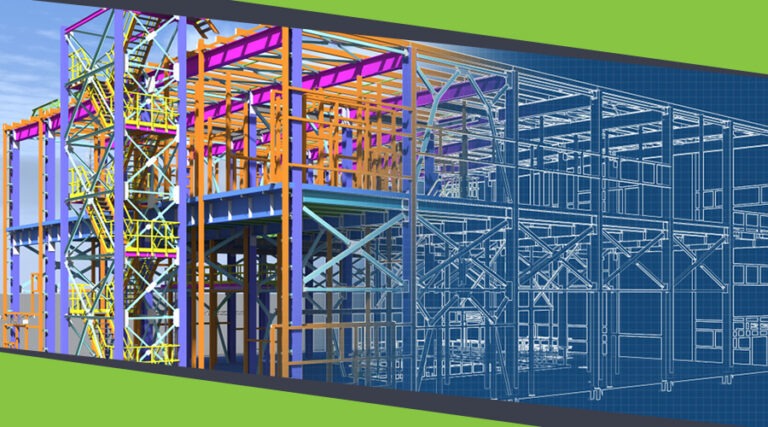
Our Structural Support Services can enhance your structural engineering projects with expert support.
Explore more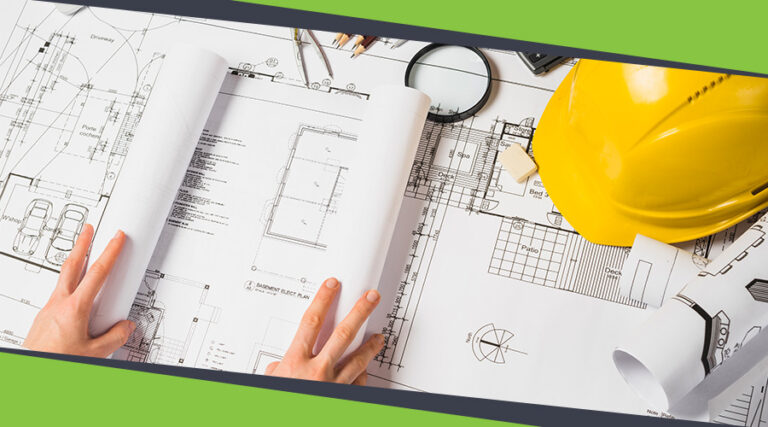
Uppteam delivers precise and reliable surveying and mapping solutions to help you make informed decisions.
Explore more
Whether you're working on residential, commercial, or industrial buildings..
Explore more
Uppteam’s Virtual Admin Support can help you with all your administrative tasks..
Explore more
Our experts work as your 3rd party quality control support partner.
Explore more
Sreela Biswas 
Delegating documentation activities is common across U.S.-based AEC firms. The primary purpose of this delegation is to meet deadlines and curtail expenditures. At the same time, it is critical to acknowledge that design intent seldom fades in the absence of proper safeguards.
Miscommunication is a primary cause of rework, which delays a project. This means that firms should have clear strategies to conserve vision. Their essential methods emphasize standards, phased approvals, annotated models, and selective redlines. The best thing about these approaches is that they secure remote teams to deliver exactly what is planned.
The requirements for delegation are quite prevalent across all complex U.S. projects. Well-defined procedures can ensure teams are always aligned. Structured methods also help reduce errors and optimize outcomes. Here, remote support is extremely valuable and aligns perfectly with the firm’s goals.
The first line of defense for protecting design intent involves creating unified standards and templates. When project-specific norms and templates are clearly defined, firms can ensure documentation aligns with design objectives. This mandates establishing consistent BIM templates and naming conventions at the outset of the process. This approach encourages uniform drawing formats and interpretation of information.
Here, the adoption of industry standards and specifying level-of-detail specifications represents precisely how much data every model element needs to carry. In-depth specifications and code references in each document ensure alignment among drawings and intent. This suggests that every deliverable abides by a clear rulebook so that no team member needs to guess the intended output.
Enforce the following standards to ensure design details are always consistent across all teams:
One effective technique for bridging the gap between vision and execution is clear annotations on model components. Bear in mind that superior annotation is pivotal to communicating design intent. In reality, this indicates labeling elements and adding notes directly in 3D models or drawings. The benefit is that everyone can see the designer’s instructions.
Utilization of consistent text styles, labels, and keynotes connects each component to its specifications and function. For instance, tagging repetitive items with keynotes connects them to a legend of materials or functions. Besides, dimensioning crucial properties guarantees that others do not misunderstand sizing specifications. At the time of review, specialists ought to scrutinize annotated components from their open discipline. The purpose is to verify that each item actually incorporates the intended design.
Follow the vital aspects below:
Always keep in mind that perfectly annotated models and drawings make the design intent explicitly visible. This degree of clarity lets all members of the team quickly understand what should be built, lowering errors in ductwork.
One can break the review process into stages to spot errors early. A phased approval or review symbolizes approving subsets of documents at critical project milestones. This method provides a guarantee of consistency with the overall objective and facilitates prompt corrections. A well-organized review keeps designs in sync with stakeholders’ goals and expectations at every step.
When a design is checked in smaller increments, teams become capable of reducing expensive mistakes to a large extent. In this regard, research confirms that getting rid of issues early in reviews assists in eliminating rework and schedule delays. Design leads are responsible for ensuring that the original vision is fulfilled by reviewing and stamping all project documentation to detect and address any deviations.
It is worth noting that when approvals and changes are documented consistently, they lead to a clear audit trail. Using a version-controlled system or approval logs prevents outdated files from being circulated. With every phase signed off, designers and engineers can be confident that the next set of drawings maintains the intended design parameters and objectives.
First, let’s set something straight: when changes are required, targeted redlines always emphasize the critical issues. Rather than editing every drawing extensively, reviewers should mark up just those components that stray from the intended design. This selective technique ensures documents are clutter-free and free of unwanted changes.
If only the deviations from the design intent are documented, it helps teams avoid confusion regarding what is correct and what is not. Digital redlining tools play a big role here. They can further support by outlining specific items and providing context in their comments. In action, this implies letting correct details stay untouched while clearly flagging misalignments. The goal here is to guarantee that changes polish the design and do not redraw it. As a result, the original vision remains intact throughout.
This minimal-markup strategy expedites revisions and aids contractors in understanding, particularly, what to fix. Eventually, fixing only actual conflicts safeguards the architect’s original vision and eradicates unnecessary rework.
Error-free coordination and quality checks connect all parts of a project. To stay clear of misinterpretations, open communication among engineers, contractors, and architects is vital. Project leads must review drawings regularly with relevant professionals to identify mistakes early. In fact, experts always recommend collaboration at every phase.
Performing a collaborative review yields recognizing any misalignments with the design intent whenever they appear. Firms can also leverage 3rd-party QC to investigate whether the drawings are satisfying all standards and match the intended design.
In this provision, the adoption of stringent QA/QC checklists and audit steps is crucial to minimize omissions. Industry analysis shows that inadequate data and coordination account for about half of all construction rework, underscoring the value of structured QC.
Through the integration of these checks, firms can keep delegated documentation synchronized with the master design.
The above exploration affirms that communication and control are imperative for protecting design intent when delegating documentation tasks. When documentation activities are outsourced to a skilled partner, it helps enforce the aforementioned practices.
Uppteam’s niche remote AEC service solutions embody this approach. We are dedicated to delivering efficient CAD and BIM modeling that rigorously adheres to client standards and U.S. codes. Our 3rd-party QC and coordinated review procedures are optimized ideally to catch any deviation from the design intent.
So, join forces with Uppteam and ensure optimal protection of your design intent when delegating documentation-related actions.
Your One-Stop MEP Design Support Solution is Here
Hire Remote Team at an Affordable Price!