Foundation plans and commercial flooring solutions are two highly specification-intensive scopes in any construction project. They govern system coordination, structural load distribution, code compliance, and enduring building performance concurrently.
3D BIM modeling has radically altered how both disciplines should be designed, coordinated, and documented. This blog examines how BIM-embedded foundation planning and flooring operations boost accuracy, curtail coordination conflicts, and deliver better project outcomes for AEC teams and their clients.
Foundation Plans – A Blueprint for Stability
Foundation blueprints are the cornerstone of any construction project, including details about their type and size.
Structural Integrity
Foundation plans detail the load-bearing capacity, depth, reinforcement requirements, and construction sequencing needed to prevent settling, cracking, and differential movement over the infrastructure’s service life. A structurally sound foundation plan disperses loads uniformly throughout the bearing strata, considering soil variability, superstructure weight, and dynamic loading. This facilitates lasting structural performance without remedial intervention.
Regulatory Adherence
Foundation plans must abide by applicable building codes (IBC structural criteria, ACI 318 concrete design protocols, and local jurisdictional amendments) from the documentation phase through the start of construction. Code-compliant foundation documentation safeguards project owners from permit disapproval, construction stops, and legal liability while guaranteeing that structural components satisfy the safety and performance thresholds essential for occupancy approval.
Construction Accuracy
Detailed foundation plans specify the exact dimensions, bearing elevations, material specifications, and reinforcement schedules. As a result, contractors receive the precise reference data needed to execute foundation work without field assumptions or interpretation. This level of documentation precision proactively reduces RFI volume, lowers measurement-driven errors, and eliminates the change orders that follow when foundation work deviates from design intent. Projects with accurately recorded foundation plans consistently achieve better schedule adherence and reduced cost variance at the structural stage.
Coordination with Other Systems
Foundation plans must comprise MEP penetrations, equipment pad locations, anchor bolt layouts, and conduit sleeves cast into or passing through the foundation assembly. Uncoordinated foundation documentation is among the most common reasons behind expensive structural modifications during construction. This is particularly true when HVAC equipment pads, electrical duct banks, or below-grade plumbing need to be placed accurately relative to foundation elements.
Proper integration is essential to avoid problems such as incompatibilities between system components and foundation supports, which could result in costly changes or delays. By coordinating the foundation design with these building systems, the construction process is expedited, the risk of error is reduced, and all components function harmoniously to achieve the desired design and structural performance.
Technological Integration in Foundation Planning
3D BIM Modeling Services
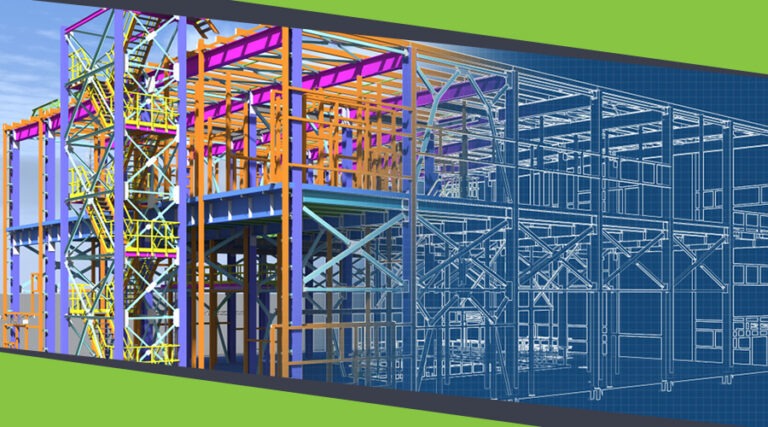
3D BIM modeling substitutes static 2D foundation drawings with data-rich, parametric models that show the foundation assembly in full spatial context alongside MEP, structural, and architectural systems. This integrated view permits design teams to spot penetration conflicts, clearance violations, and sequencing discrepancies during the design stage. Coordination between building systems and foundation geometry is handled within the model, decreasing site-level RFIs and structural modifications.
Scan-to-BIM Services
Converting point cloud data from laser scans into precise BIM models that provide a comprehensive digital depiction of the structure’s current condition enables accurate documentation of the foundations. This technology is beneficial for refit and refurbishment projects because it allows for a thorough evaluation of the current circumstances. Specialists may confidently plan and implement upgrades or alterations by generating precise BIM models using point cloud data. This reduces unforeseen problems and ensures a successful construction process.
BIM Outsourcing
Outsourcing foundation planning to dedicated BIM firms gives AEC teams access to specialized modeling capacity, software expertise, and project-type-specific coordination experience without increasing internal resources. BIM outsourcing partners deal with LOD progression, code-compliance documentation, and clash coordination. Accordingly, project architects’ and engineers’ internal workloads decrease while sustaining documentation accuracy throughout all foundation design phases.
Their proficiency in managing intricate projects helps detect problems early and offers creative solutions that would only be obvious with specialist knowledge. Working with these BIM specialists can result in more accurate, cost-effective, and successful project execution, ultimately improving the construction process and overall project outcomes.

Commercial Flooring: Specification, Installation, & Maintenance for AEC Projects
Foundation design and commercial flooring signify two distinct but interdependent stages of a building project. However, both require the same precision in system coordination, material specification, and code compliance. Flooring affects the usability and appearance of commercial premises. Effective flooring solutions, from selection to maintenance, require a thorough approach.
Project Management
Expert management of flooring projects is essential to guarantee that every step of the process—from choosing the best flooring materials to installation—is carried out successfully and efficiently. By leveraging professional experience, businesses can benefit from carefully selected flooring options that meet their unique needs and preferences, whether for durability, functionality, or aesthetics. Expert management also guarantees on-time delivery of materials, avoiding delays and interruptions that could affect project timeframes.
The effective flooring installation process is carefully supervised, ensuring excellent results and minimal downtime. When these factors are handled skillfully, companies can focus on their core activities rather than worry about managing flooring logistics. This strategy safeguards the flooring investment and improves overall operating efficiency by minimizing disruptions and ensuring its proper use and maintenance.
Flooring Consultation
Advancements in flooring technology and design have made BIM consulting companies essential for firms seeking to navigate many options. These services offer professional assistance in choosing the best flooring options for various commercial settings, considering performance qualities, maintenance requirements, durability, and aesthetic appeal. Using their professional knowledge, consultants guarantee that the selected flooring solutions meet both the budgetary requirements and the unique functional needs of the area, including high-traffic durability and slip resistance. By using a systematic approach, businesses maximize their investment in flooring, improve the functionality of their facilities, and strike a balance between quality and cost.
Installation Services
Since professional installation directly affects how effectively the flooring materials function over time, it is crucial for optimizing the longevity and performance of commercial flooring. Professional installation guarantees that flooring materials perform to the manufacturer’s specifications under commercial loading conditions. Correct adhesive selection, substrate preparation, and fastening sequences directly determine long-term performance and minimize premature replacement expenses.
Experts guarantee that the flooring delivers long-lasting value and enhances its look and durability through adherence to the best standards during installation. By preventing expensive repairs or replacements and improving overall performance, this careful approach increases the effectiveness and sustainability of the flooring investment.
Maintenance & Restoration
Commercial flooring must have routine maintenance and repair services performed to keep it looking good and functioning perfectly. Routine operations like carpet cleaning and tile repair help address wear and tear, remove stains, and repair the flooring’s original look and feel. While tile restoration fixes damage and revitalizes grout and surface treatments, carpet cleaning removes dirt that can decompose the material and lower indoor air quality.
By halting deterioration, these preventive maintenance procedures increase the flooring’s lifespan and guarantee it will continue functioning at its best under various circumstances. By investing in routine maintenance, businesses save money on replacements, keep their spaces tidy and professional, and give patrons and staff a safer workplace.
Elevating Flooring & Foundation Projects with Advanced 3D BIM
Embedding 3D BIM modeling across both foundation planning and commercial flooring documentation offers AEC teams a single coordinated framework for controlling compliance, accuracy, and system coordination at once.
uppteam’s BIM modeling and drafting teams render coordination foundation plan documentation and commercial flooring specifications consistent with IBC compliance requirements and project-specific performance standards. From LOD-accurate foundation models and MEP coordination through flooring material schedules and installation documentation, our team integrates directly into your project operations.
Request a consultation to review your project’s foundation planning and flooring documentation requirements.
Foundation Plans - A Blueprint for Stability
The cornerstone of any construction project is the foundation blueprints, including information on its type and size.
Structural Integrity
Foundation plans are essential to guarantee that a building’s foundation can sustain the structure and avoid issues like settling and cracking. These blueprints have complete instructions for constructing a sturdy foundation that equally distributes weight and adjusts to the properties of the surrounding ground. A well-designed foundation project foresees issues and ensures that the foundation will be durable and robust for the duration of the building, which is essential for maintaining the long-term durability of the structure.
Regulatory Adherence
Any construction project must adhere to building regulations since they are prepared to ensure structural integrity, security, and quality. Foundation plans provide specific, code-specific instructions that must be followed throughout construction, which are essential to this compliance. Builders can prevent legal problems and penalties by following these blueprints, guaranteeing that the foundation satisfies all regulatory criteria. This dedication keeps things simple and ensures the structure is sturdy and safe, safeguarding the building’s occupants and the project’s financial investment.
Construction Accuracy
As they provide exact dimensions and directions, detailed foundation plans are crucial for guiding builders and contractors through construction. These designs ensure the foundation satisfies the architect’s vision and architectural intent regarding all dimensions, supports, and materials. By adhering to these comprehensive rules, builders can improve construction accuracy by reducing mistakes that may result from miscommunications or inaccurate calculations.
This accuracy keeps the project aligned with the original plan and contributes to cost control by avoiding expensive errors and rework. Precise foundation plans also help prevent delays by expediting the building process and lowering the possibility of problems.
Coordination with Other Systems
Foundation plans interact with many building systems, such as mechanical, electrical, and plumbing components, and they are essential to the entire construction process. These blueprints offer a thorough design for the foundation, which has to make space for and work with other systems necessary for the building’s operation. For example, anchor points for HVAC systems, electrical conduits, and plumbing lines must be considered in foundation plans to ensure that these components fit inside the structure without creating problems.
Proper integration is essential to avoid problems like incompatibilities between system components and foundation supports, which could result in expensive changes or delays. By coordinating the foundation design with these building systems, the construction process is expedited, the chance of error is decreased, and all parts function harmoniously to provide the desired design and functioning of the structure.
Technological Integration in Foundation Planning
3D BIM Modeling Services
Building information modeling (BIM) technology has revolutionized foundation planning by providing detailed 3D models that significantly improve visualization and accuracy. Instead of only displaying standard 2D drawings, these refined models give stakeholders a thorough understanding of the foundation’s design in three dimensions. This improved description makes it easier to comprehend how the foundation interacts with other building techniques, such as mechanical, electrical, and plumbing.
As one of the leading BIM services providers, 3D BIM modeling allows for better coordination between these techniques and the foundation plan. By ensuring that all components work together harmoniously, this integration lowers the possibility of mistakes and conflicts. As a result, the building process becomes more effective, requiring fewer delays and modifications, which promotes improved project execution and overall results.
Scan-to-BIM Services
Converting point cloud data from laser scans into precise BIM models, which provide a comprehensive digital depiction of the structure’s current condition, makes accurate documentation of the foundations possible. This technology is beneficial for refit and refurbishment projects because it allows for a thorough evaluation of the current circumstances. Specialists may confidently plan and implement upgrades or alterations by generating precise BIM models using point cloud data. This reduces unforeseen problems and ensures a successful construction process.
BIM Outsourcing
Hiring professional BIM consulting firms to handle foundation planning can significantly expedite the planning process, save total project costs, and improve project outcomes. By utilizing the knowledge and skills of seasoned BIM specialists, you can obtain cutting-edge technologies and techniques that raise the precision and effectiveness of foundation design. These specialized businesses provide foundation designs with high accuracy and conformity, guaranteeing that every design element complies with legal requirements and is easily linked with other building systems.
Their proficiency in managing intricate projects helps detect problems early and offers creative solutions that would only be obvious with specialist knowledge. Working together with these BIM specialists can result in more accurate, economical, and successful project execution, which will eventually improve the construction process and project outcomes overall.
Enhancing Functionality and Aesthetics in Commercial Flooring
Flooring affects the usability and appearance of commercial premises. Effective flooring solutions, from selection to maintenance, require a thorough approach.
Project Management
Expert management of flooring projects is essential to guarantee that every step of the process—from choosing the best flooring materials to installation—is carried out successfully and efficiently. By utilizing professional experience, businesses can gain from carefully selected flooring alternatives that satisfy their unique needs and preferences, whether for durability, usefulness, or beauty. Expert management also guarantees on-time delivery of materials, avoiding delays and interruptions that could affect project timeframes.
The effective flooring installation process is carefully supervised and guarantees excellent outcomes and little downtime. When these factors are skillfully handled, companies may focus on their main activities rather than worrying about managing the flooring logistics. This strategy safeguards the flooring investment and improves overall operating efficiency by minimizing disruptions and guaranteeing that the flooring investment is utilized correctly and maintained.
Flooring Consultation
Flooring technology and design advancements have made BIM consulting companies essential for firms seeking to sort through many possibilities. These services offer professional assistance in choosing the best flooring options for various commercial settings, considering performance qualities, maintenance requirements, durability, and aesthetic appeal. Using their professional knowledge, consultants guarantee that the selected flooring solutions meet both the budgetary requirements and the unique functional needs of the area, including high traffic durability and slip resistance. By using a systematic approach, businesses maximize their investment in flooring, improve the functionality of their facilities, and strike a balance between quality and cost.
Installation Services
Since professional installation directly affects how effectively the flooring materials function over time, it is crucial for optimizing the longevity and performance of commercial flooring. Expert installers employ exacting methods to guarantee that every part of the flooring system is put in place and fastened precisely, helping to avoid problems like uneven floors, early wear, or damage.
Expert installers employ exacting methods to guarantee that every part of the flooring system is put in place and fastened precisely, helping to avoid problems like uneven floors, early wear, or damage. When flooring materials are installed perfectly, they meet the manufacturer’s specifications. They are designed to withstand the exceptional requirements of a commercial environment, such as moisture exposure and other pressures.
Experts guarantee that the flooring delivers long-lasting value and enhances its look and durability through adherence to the best standards during installation. By preventing expensive repairs or replacements and improving overall performance, this careful approach increases the effectiveness and sustainability of the flooring investment.
Maintenance and Restoration
Commercial flooring must have routine maintenance and repair services performed to keep it looking good and functioning perfectly. Routine operations like carpet cleaning and tile repair help address wear and tear, remove stains, and repair the flooring’s original look and feel. While tile restoration fixes damage and revitalizes grout and surface treatments, carpet cleaning removes dirt that can decompose the material and lower indoor air quality.
By halting deterioration, these preventive maintenance procedures increase the flooring’s lifespan and guarantee it will continue functioning at its best under various circumstances. By investing in routine maintenance, businesses save money on replacements, keep their spaces tidy and professional, and give patrons and staff a safer workplace.
Advancing Standards with Advanced Technology
Achieving excellence in commercial flooring projects and foundation planning requires integrating cutting-edge technologies and maintaining high standards. Regarding foundation designs, 3D BIM modeling services transform the planning process by offering exact alignment with other building systems, detailed and accurate three-dimensional representations of the foundation, and improved visualization. This results in better collaboration, fewer mistakes, and more efficient project workflows, all of which help to build a solid and long-lasting foundation.
Similarly, when it comes to business flooring, using professional flooring solutions guarantees that the selection, installation, and upkeep procedures are carried out as precisely and professionally as possible. Maintaining the flooring’s appearance and functioning over time entails selecting the appropriate materials, implementing efficient installation processes, and carrying out routine maintenance.
By utilizing this technology, BIM companies, businesses, and construction experts can guarantee that their projects fulfill both structural integrity and aesthetic criteria, resulting in a finished product that is practical and aesthetically stunning. Accepting such innovations opens the door to better project results, enhanced productivity, and happier stakeholders—from project owners to end users.
Elevating Flooring and Foundation Projects with Advanced 3D BIM
Using cutting-edge technology, such as 3D BIM modeling services, is essential to achieving superior results in commercial flooring projects and foundation planning. At Uppteam, we use our position as a top supplier of BIM services to our advantage to deliver all-inclusive solutions that improve accuracy, coordination, and productivity.
Our commitment to integrating the latest technologies ensures that floor projects are precisely placed and kept up to date and that floor plans are carefully coordinated with other construction techniques. When you work with us, you can be sure that your projects will satisfy and surpass your expectations, creating an aesthetically pleasing and structurally sound outcome.







 ajay tribhuwan
