MEP Design Services
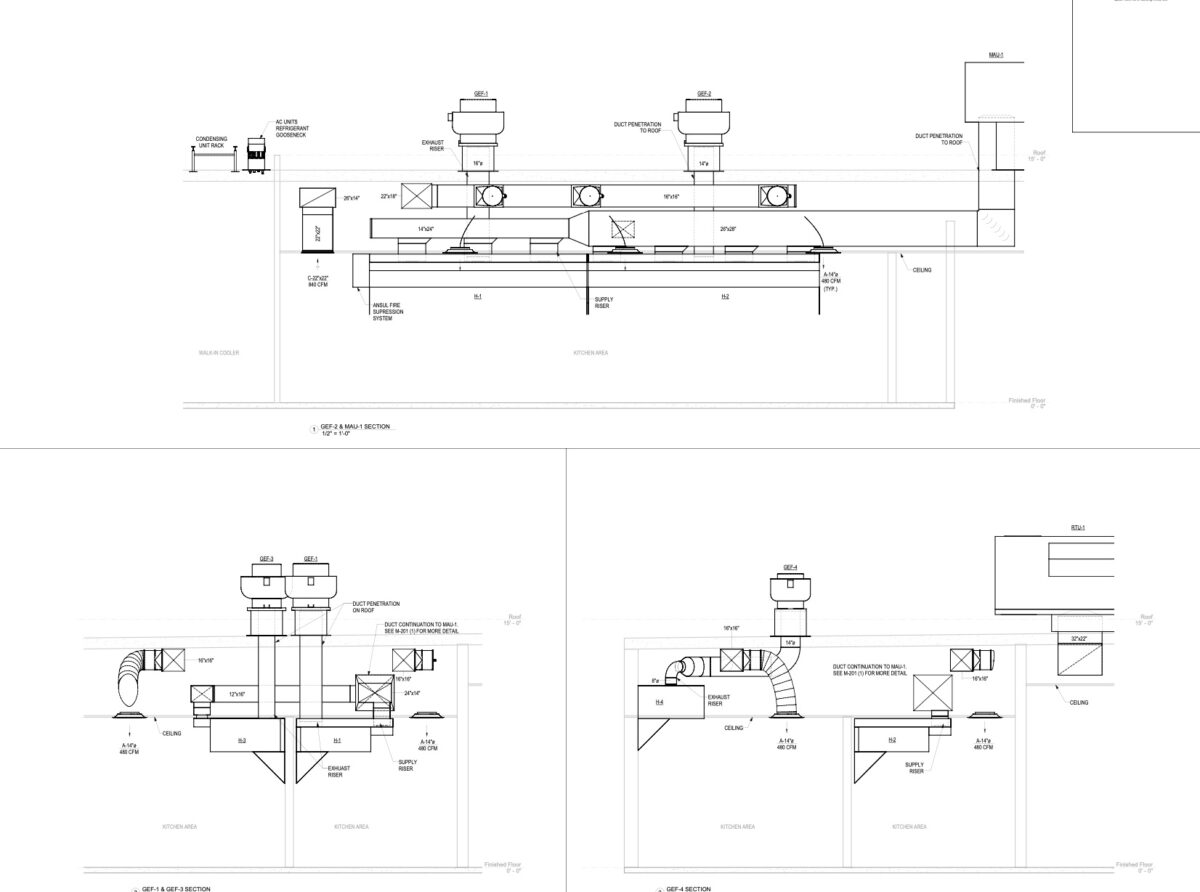
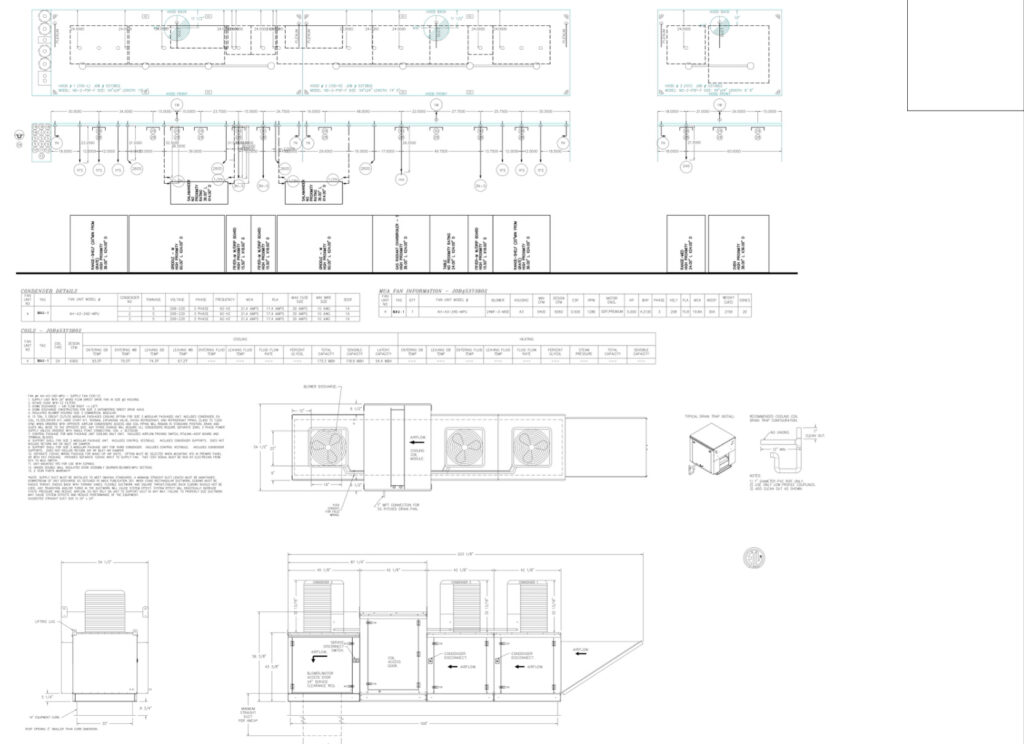
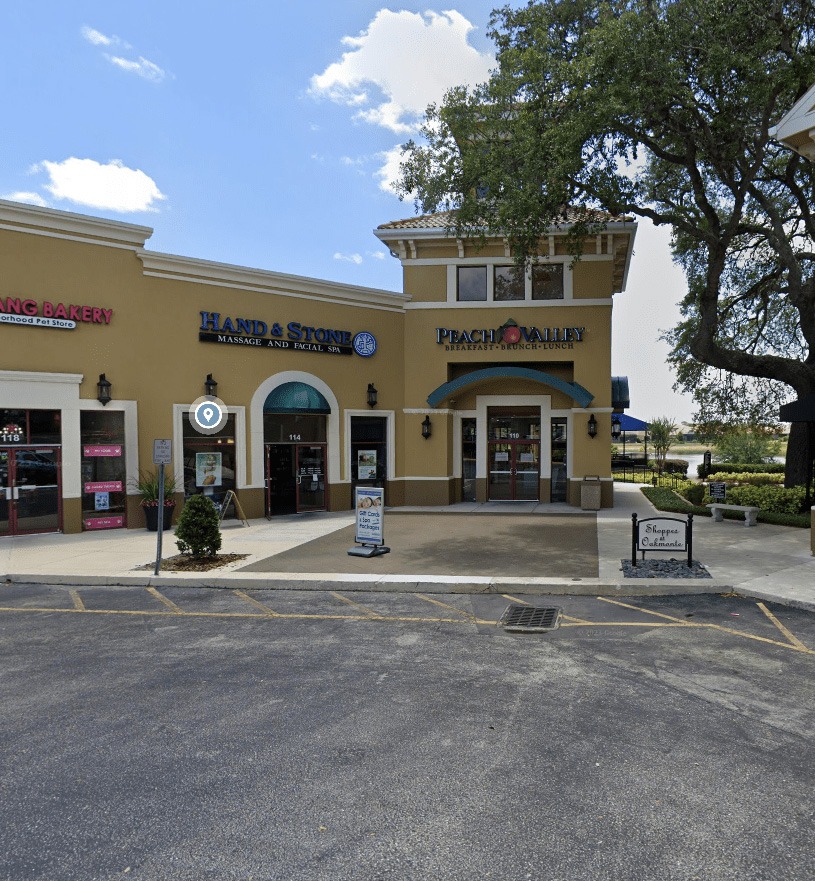
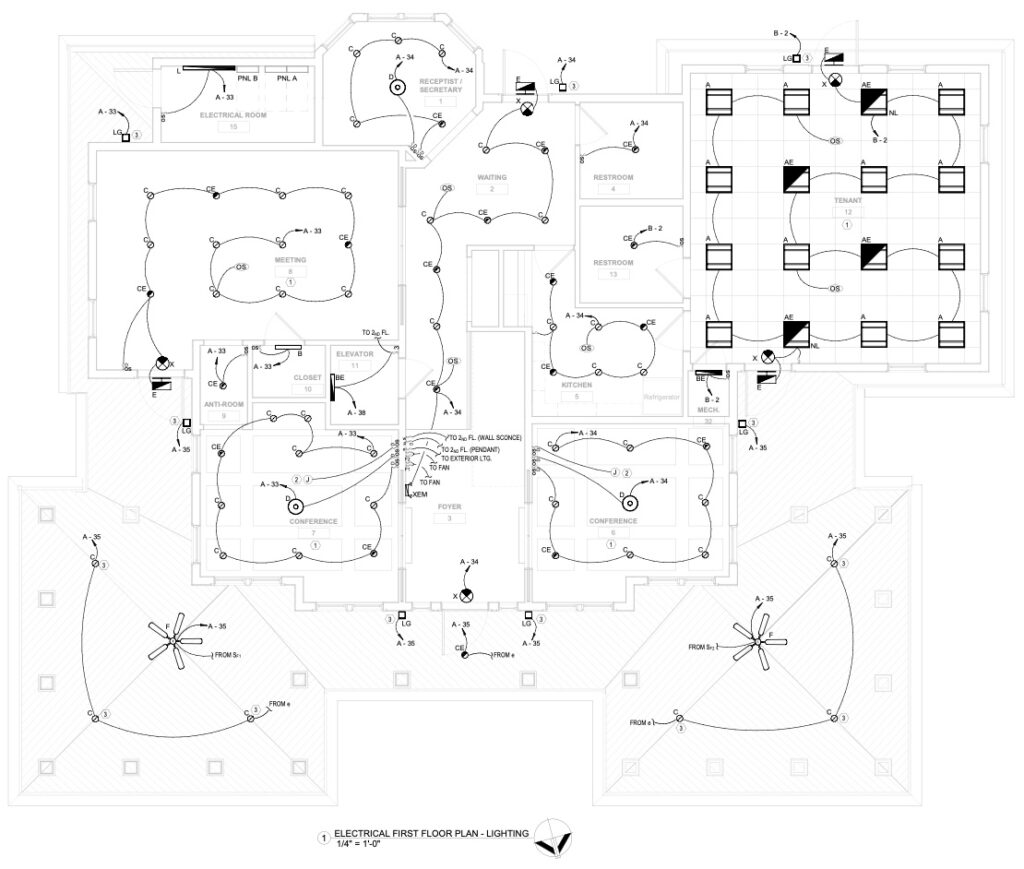
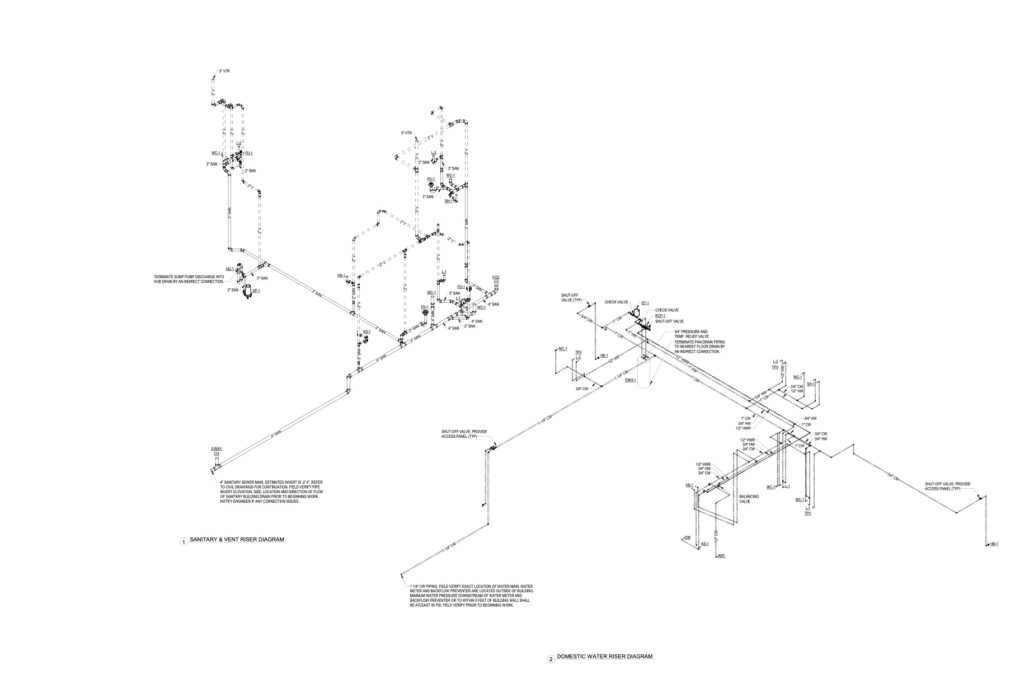
Complete MEP System Design for Peach Valley Restaurant in Lake Mary, Florida
-
arnab
- September 28, 2024
- 9:44 pm

U.S.-based local architectural representation, ensuring communication, accountability, and delivery expectations, managed close to the client.
Explore more
Discover our architectural design excellence through a curated selection of projects.
Explore more
Take a look at how Uppteam can elevate your projects with expert engineering solutions.
Explore more
Our Structural Support Services can enhance your structural engineering projects with expert support.
Explore more
Uppteam delivers precise and reliable surveying and mapping solutions to help you make informed decisions.
Explore more
Whether you're working on residential, commercial, or industrial buildings..
Explore more
Uppteam’s Virtual Admin Support can help you with all your administrative tasks..
Explore more
Our experts work as your 3rd party quality control support partner.
Explore more
arnab 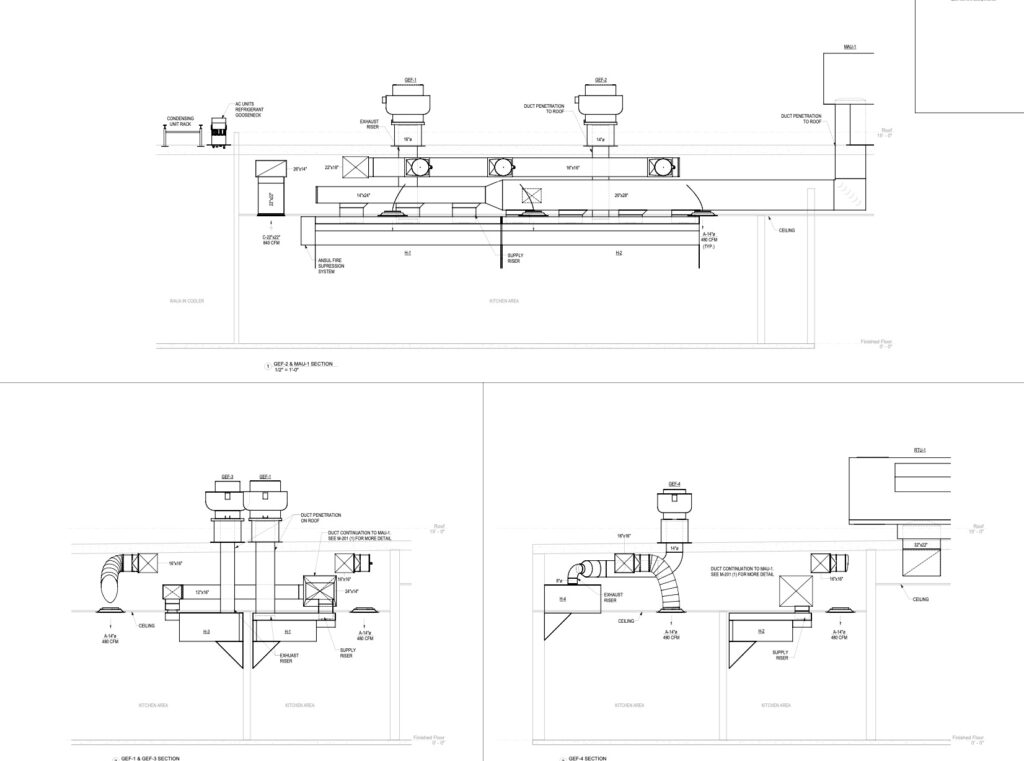
 arnab
arnab 
 ajay tribhuwan
Leading MEP firms in the USA, such as National MEP Engineers, are revolutionizing the design of high-rise buildings with creative, energy-efficient solutions. By utilizing multidisciplinary skills, they provide thorough MEP designs suited to commercial, industrial, and residential requirements. These companies guarantee safety, compliance, and cost-effectiveness by emphasizing open communication, stringent quality control, and state-of-the-art tools like SKM for electrical analysis and energy modeling.
Their services, including fire safety, HVAC, plumbing, and sustainable energy systems, improve contemporary high-rises' efficiency and environmental friendliness. They are raising the bar for reshaping the built environment through outstanding project management and design.

As one of the best MEP companies in the US, Jacobs is well-known for its innovative and creative engineering solutions. Jacobs excels at providing the latest MEP services across different sectors, including cutting-edge manufacturing, healthcare, infrastructure, and safety. The company’s global presence significantly emphasizes developing intelligent, connected, and environmentally conscious buildings.
Because of its dedication to challenging the status quo, every project benefits from the newest technology and interior design support. Jacobs's commitment and varied and experienced team have established it as a leader in the MEP sector, influencing building systems domestically and internationally.

AECOM stands out for its commitment to constructing infrastructure that improves accessibility, inspires residents, and maintains the atmosphere. AECOM is leading the way in delivering long-lasting and impactful MEP services, prioritizing equity, sustainability, and creation. Their team of planners, architects, engineers, and advisors works on projects of all sizes, contributing to their vast global experience.
As a reliable companion in developing social values and adhering to ethical norms, AECOM is dedicated to enhancing the world. Their history, which has been recognized as one of the “World’s Most Admired Companies” by Fortune magazine and as one of the “World’s Most Ethical Companies” by Ethisphere, highlights their leadership in the MEP sector and their tireless dedication to leaving continuing legacies for coming years.

Known for its interior design support and building strategy, Burns & McDonnell is a notable MEP company in the US. With 14,000 experts, it has developed to meet vital infrastructure projects in different sectors, including water, telecommunications, and aviation. Since 1898, they have been dedicated to making significant, secure infrastructure to foster communities.
A genuine dedication to sustainability, originality, and social commitment inspires their work. They ensure that every project meets and surpasses customer expectations. Burns & McDonnell's unique "MacCulture" represents the company's guiding values of honesty, collaboration, and a dedication to having a good influence. Burns & McDonnell has a long record of excellence and a developed mindset, and they continue to lead the MEP sector by delivering valuable and creative solutions.

Among the leading MEP firms in the USA, Tetra Tech is distinguished by its dedication to innovation and practical solutions. Tetra Tech brings together leading scientists, engineers, and technical professionals to deliver integrated services that satisfy customer needs. Tetra Tech's goal is to tackle the world's most intricate challenges.
Tetra Tech focuses on water, the environment, renewable energy, sustainable infrastructure, and international development. The company's success is driven by its core values of excellence, value, service, and opportunity. Its commitment to excellent technical skills and client-first philosophy provide creative, economical solutions for every project.

One of the leading MEP firms in the USA, HDR is well-known for its creative approach to construction, engineering, architectural, and environmental services. HDR's multidisciplinary teams, which include scientists, economists, builders, and artists, collaborate to develop high-performance buildings and intelligent infrastructure that enhance communities throughout time, all with the premise that meaningful progress can only be made via teamwork. With more than 200 facilities in 15 countries, HDR is fueled by critical values, including responsibility, innovation, and creating smart solutions customized to meet each client's demands. Thanks to their dedication to quality, they are a leader in the field.

Prominent among MEP firms in the United States, WSP is represented by a shared enthusiasm, vision, and proficiency. With over 130 years of experience, WSP is experienced at developing cutting-edge solutions to address emerging issues while exhibiting a dedication to local and global viewpoints. The MEP design company is committed to preparing communities and environments for the future, as evidenced by its leadership and long history. WSP is well-positioned to drive sustainable progress and improve the quality of life in various countries due to its wide range of services and sectors and its strong global presence through many offices.

Using over 8- years of experience in fire protection engineering and related fields, Jensen Hughes distinguishes itself as a leading MEP company in the USA. Since its establishment in 1939, they have added consulting, risk and hazard analysis, process safety, and other services. With more than 90 offices globally, their global reach guarantees that they provide durable and creative solutions for various industries, from large-scale design and construction to vital infrastructure.
They prioritize reducing risks, improving security, and promoting sustainability. Their commitment to local community involvement and industry leadership make them a reliable partner for clients worldwide.

Affiliated Engineers, Inc. distinguishes itself as one of the best MEP companies in the United States by fusing engineering leadership with a solid dedication to innovation and societal impact. Since its establishment, AEI has led the way in developing innovative and practical technical solutions to tackle intricate problems in healthcare, energy, and education. The company's success in providing cutting-edge technologies and environmentally friendly solutions results from its commitment to incorporating different viewpoints and developing an inclusive culture.
With an emphasis on community service and professional development, AEI delivers exceptional project outcomes, improves lives, and strengthens communities with its goal-driven methodology and dedication to quality.

Henderson Engineers’ engineering and construction management sets them apart from other leading MEP firms in the USA. Established in 1970, Henderson is well known for its dedication to building outstanding client relationships and a people-first culture. It combines construction management and engineering know-how under one roof, providing a smooth interior design support and maintenance experience.
Henderson Engineers, with over 1,000 staff members spread over 13 locations around the country, provides cutting-edge solutions for various industries, including community, retail, and health projects. They aim to build a better world through sustainable and client-focused practices. Their fundamental values, which include service, inclusion, honesty, and innovation, drive this endeavor.

One of the top companies in this field is IMEG. This engineering and design consulting company has been around for a century and is well-known for its innovative concepts and people-centered process. IMEG's extensive experience in building optimization, infrastructure, and construction engineering indicates its commitment to quality. IMEG, which operates more than 2,800 people in more than 90 sites, integrates technological expertise with a comprehensive understanding of the communities it serves.
This unique combination guarantees that its initiatives benefit the environments and people it serves and meet high standards of excellence. Companies like IMEG are at the forefront of the MEP industry's advancement, driving growth and influencing building systems' future via teamwork, superior work, and an unwavering dedication to sustainability and community involvement.
ajay tribhuwan
ajay tribhuwan
ajay tribhuwan
ajay tribhuwan
ajay tribhuwan
ajay tribhuwan