Architectural Services
Why Many Architects Are Switching to Remote Design Support Teams
-
 Soumen
 - July 18, 2025
- 7:14 am

U.S.-based local architectural representation, ensuring communication, accountability, and delivery expectations, managed close to the client.
Explore more
Discover our architectural design excellence through a curated selection of projects.
Explore more
Take a look at how Uppteam can elevate your projects with expert engineering solutions.
Explore more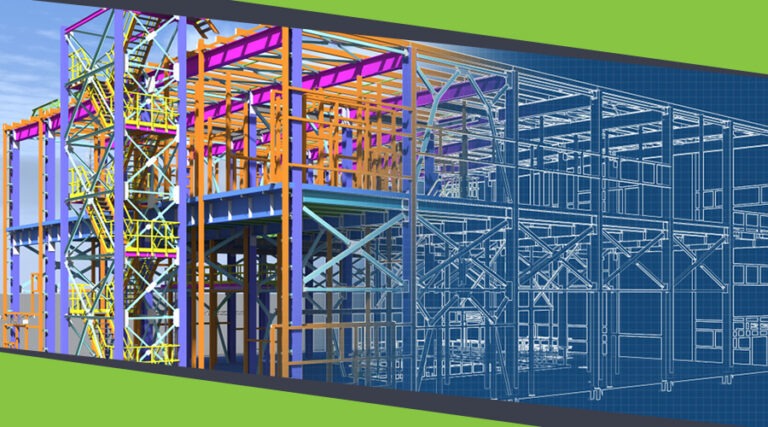
Our Structural Support Services can enhance your structural engineering projects with expert support.
Explore more
Uppteam delivers precise and reliable surveying and mapping solutions to help you make informed decisions.
Explore more
Whether you're working on residential, commercial, or industrial buildings..
Explore more
Uppteam’s Virtual Admin Support can help you with all your administrative tasks..
Explore more
Our experts work as your Second Eye Services expert.
Explore more Soumen
Speed, accuracy, and collaboration define what architectural excellence looks like today. Increasingly, the firms delivering on all three are rethinking how and where design work gets done.
What is driving this shift toward remote design support? Cost efficiency is part of the answer, but it is not the whole story. The more compelling case lies in the strategic advantages: access to specialist expertise, faster turnaround times, and a structural flexibility that in-house hiring simply cannot match.
The AEC industry is navigating tight timelines, constrained budgets, and growing pressure to deliver more with less. In that context, remote design support teams have moved from being an occasional backup to a core part of how leading firms structure their workflows.
This article examines the forces driving that shift and the gains that architectural firms are making as a result.
The U.S. AEC sector has seen consistent growth in recent years, with building permits and housing starts reaching new highs. The Bureau of Labor Statistics projects a 5% increase in employment for architects over the next seven years, yet demand for design services is outpacing that growth. Remote design teams are filling the gap.
Beyond headcount, remote teams also address specialist skill gaps that are impractical to hire for on a permanent basis: code-compliant documentation, parametric modeling, and complex BIM coordination. By tapping experts in tools like AutoCAD, ArchiCAD, and Revit, firms achieve high-quality outputs without stretching their core teams.
Time zone differences add another layer of value. While the regional team is offline, international support teams continue working on shop drawings, model updates, and clash detection. Projects advance overnight, turnaround times shorten, and no one has to work extended hours to make it happen.
Running an in-house design division is expensive, and small to mid-sized architectural firms feel that pressure most acutely. Recruiting, training, and retaining permanent in-house design employees requires significant capital. Apart from salaries, architectural businesses also incur expenses for software licensing, equipment, and office space.
By contrast, partnering with a remote design team converts fixed staffing costs into variable ones. That shift matters at scale. Deloitte’s research on global outsourcing consistently shows that cost reduction is the primary reason organizations pursue external partnerships, and AEC firms are no exception.
By partnering with remote design specialists, architectural firms can reduce fixed overhead, avoid recurring hardware and software upgrade costs, and scale their design capacity up or down as project volume changes. Each of these savings can be redirected toward client engagement, technology investment, or additional design iterations.
Remote design teams invest heavily in the latest technologies to stay competitive — which means architects who partner with them gain access to advanced 3D modeling, BIM, rendering, and detailing capabilities without carrying that investment themselves.
Cloud-based platforms like Revit Cloud Worksharing, BIM 360, and Trimble Connect make real-time collaboration with remote design teams genuinely practical. The core capabilities these platforms provide include:
For project teams, this translates to fewer coordination errors, faster client approvals, and a more reliable path from design to construction. Autodesk reports that an increasing number of architectural firms using cloud-based design software has significantly reduced project delays caused by outdated files or miscommunication.

Remote design teams handle the technical and documentation workload, which frees in-house architects to focus on design creativity and client relationships. The result is better-quality outputs, fewer RFIs, and a more streamlined handoff to construction.
A PlanGrid and FMI study found that in 2018, poor data and miscommunication cost the U.S. construction sector over $31 billion. Streamlined documentation, the kind remote design teams are built to manage, directly addresses the coordination and data quality failures that drive that cost.
Unlike full-time hires, remote design support gives firms access to talent on a per-project basis. The 2023 AIA Firm Survey Report found that a significant portion of architectural firms experienced fluctuating workloads that conventional staffing models struggled to accommodate. Remote support resolves that directly.
There is also an environmental case. Remote design teams reduce a firm’s carbon footprint by removing the need for additional office space, cutting commute-related emissions, and eliminating physical documentation. Comfort with remote partnerships has grown significantly across the profession, and quality benchmarks and standard operating procedures have matured alongside that shift, ensuring consistent output regardless of where the design team is based.
When technical workloads shift to remote design teams, in-house architects reclaim time to focus on what they are most qualified to do. Client conversations become deeper, design reviews become more considered, and creative decisions get the attention they deserve. The result is better work and stronger client relationships, not despite remote support, but because of it.
Collaboration with remote design teams ensures an added safety net. Even if an in-house team of architects faces delays, remote designers can keep working to avoid any project disruption. Every remote design support engagement operates within a formal accountability structure that includes:
This structure ensures deliverables are met to standard, and gives in-house teams a clear basis for accountability if they are not.
Additionally, remote design teams are highly knowledgeable about diverse regional standards and codes. As a result, they produce compliance-ready documentation across U.S. jurisdictions, reducing the risk of permit rejection or regulatory delays.

Remote design support has moved well past being a cost-cutting measure. For architectural firms managing tight schedules, specialist skill gaps, and fluctuating project volumes, it has become a structural advantage. The firms that treat it as a strategic partnership rather than a transactional service are the ones seeing the clearest results.
uppteam works with architectural firms as a dedicated remote design partner. Whether you need CAD drafting, BIM coordination, or architectural visualization, our team integrates directly into your workflow and delivers to your standards.
Get in touch today to find out how Uppteam can help your team work more efficiently and take on more without overstretching.