Architectural Services
Material Takeoff for Architectural Projects: Accuracy, BIM Integration, and Cost Control
-
 Sreela Biswas
 - October 16, 2025
- 5:15 am


U.S.-based local architectural representation, ensuring communication, accountability, and delivery expectations, managed close to the client.
Explore more
Discover our architectural design excellence through a curated selection of projects.
Explore more
Take a look at how Uppteam can elevate your projects with expert engineering solutions.
Explore more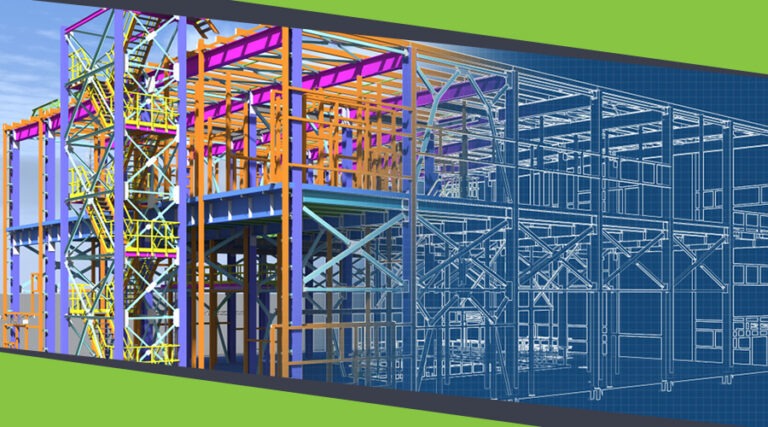
Our Structural Support Services can enhance your structural engineering projects with expert support.
Explore more
Uppteam delivers precise and reliable surveying and mapping solutions to help you make informed decisions.
Explore more
Whether you're working on residential, commercial, or industrial buildings..
Explore more
Uppteam’s Virtual Admin Support can help you with all your administrative tasks..
Explore more
Our experts work as your Second Eye Services expert.
Explore more Sreela Biswas
Material quantity errors found during construction cost AEC businesses significantly more to fix than errors discovered during the preconstruction takeoff stage. Inaccurate takeoff data ripples through each subsequent project phase. This drives over-ordering, change orders, procurement shortfalls, and schedule delays that persist from bidding through closeout. For architectural firms operating in competitive bid landscapes, the margin for takeoff error is effectively zero.
Precise material takeoff does more than safeguard project budgets. It facilitates proactive procurement planning, helps with BIM-embedded quantity scheduling, decreases construction waste, and gives contractors the needed material data to uphold schedule integrity from the first delivery through final inspection. This blog examines how to achieve each of these outcomes and what digital takeoff workflows make them possible.
Procurement cost reduction is the most immediately quantifiable benefit of precise material takeoff. Firms that avoid over-ordering through error-free quantity calculations reduce procurement spending while eliminating material-shortage-driven delays that push projects off schedule and into overtime cost territory.
Budget overruns driven by inaccurate takeoffs hardly ever stay contained and cascade through each construction phase. When architects provide contractors with precise takeoff information, projects maintain stricter budget control and prevent unexpected cost escalations that erode project margins and damage client relationships. This is particularly relevant in competitive bid environments where every line item is scrutinized.
Material waste is a direct cost center on every project where quantity estimates differ from actual requirements. Construction projects with unrestrained material variance generate considerable waste, affecting both project budgets and sustainability targets. Accurate takeoff calculations cut down on these waste streams at the source before placing procurement orders.
BIM-integrated takeoff extracts material quantities directly from parametric 3D models, thereby evading manual measurement errors and automatically updating quantity schedules when design alterations happen. This live synchronization guarantees that material estimates remain consistent with existing project specifications across all design development phases. Correspondingly, there are no more version-conflict-driven discrepancies that often plague manual takeoff procedures. Research from the Construction Industry Institute indicates that software-automated takeoff reduces quantity calculation time by approximately 50% compared to manual measurement methods.
Cloud-based takeoff platforms extend digital quantity management into a cohesive environment where engineers, architects, and contractors access existing takeoff data concurrently. The availability of real-time data ensures the elimination of version conflicts and communication gaps that occur when disciplines operate from separate, unsynchronized quantity schedules.

Proactive procurement planning starts with accurate takeoff data rendered early in the preconstruction stage. When architects deliver comprehensive material specifications before procurement windows open, contractors can detect potential supply constraints and develop substitute sourcing strategies. This prevents the high-cost construction delays that take place when critical materials are unavailable on the expected delivery date.
Just-in-time delivery coordination supported by precise takeoff data enables contractors to align material deliveries explicitly with construction schedule milestones. This lowers field storage requirements, minimizes material damage risk from extended site exposure, and reduces project overhead expenses related to material handling and temporary storage logistics.
Material standardization opportunities are identified with the help of comprehensive takeoff analysis that discloses consistent quantity patterns throughout project components. When architects pin down standard materials in larger consolidated quantities, procurement teams gain access to bulk purchasing discounts while lessening the specification complexity that slows installation and broadens contractor coordination requirements.
Structured takeoff verification is a mandatory quality control step. Errors that arrive at on-site construction without detection constantly compromise project schedules and budgets. Cross-referencing takeoff quantities against project drawings, existing specifications, and historical data from analogous projects discovers discrepancies before they lead to field-level corrections.
Standardized takeoff methodology guarantees consistency throughout project teams by removing individual interpretation variations in unit conversion, measurement technique, and waste allowance calculation. Documented procedures form an auditable, repeatable approach that boosts estimate reliability and facilitates accurate cost comparisons among current bids and historical project data.
Regular takeoff audits recognize systematic biases in estimation methodology that compound across multiple projects. These audits basically compare actual material usage on completed projects against initial takeoff estimates. These routine reviews foster process improvements that gradually increase future estimate precision and curtail the variance between budgeted and actual material costs.

Sustainable construction practices are compulsory in the current landscape. Error-free material takeoff supports such initiatives by cutting down waste generation and optimizing resource usage. One of the most significant benefits of accurate quantity calculations is the prevention of over-ordering. It contributes to construction site waste streams while minimizing environmental impact. These initiatives synchronize with rising industry sustainability needs and clients’ ecological expectations.
Material reuse opportunities become visible when a detailed takeoff analysis is prioritized. It detects surplus material from earlier project stages. Consequently, architects can define reclaimed or recycled materials when takeoff information reveals suitable applications. Such sustainable material decisions reduce a project’s environmental impact and lower material expenditures.
Prefabrication strategies depend explicitly on accurate takeoff data to support off-site manufacturing of building components. Controlled manufacturing environments decrease material waste while elevating component quality and installation precision. Prefabricated components also compress on-site construction timeframes and lower labor requirements. These are the benefits that compound the schedule and cost advantages that error-free takeoff produces upstream.
Integrating material takeoff with a project scheduling application results in robust project management capabilities. When takeoff information merges with construction schedules, project managers can improve material deliveries and workforce allotment for maximum efficiency. This collaboration offers visibility into resource specifications throughout the project.
Integration of cost databases allows for live pricing updates that sustain estimate accuracy. Automatic price updates guarantee that bids remain competitive while safeguarding project margins from unwanted cost increases. These features become especially valuable during volatile material market conditions.
Performance tracking systems supervise real-world material usage against takeoff estimates throughout construction, providing feedback for potential project improvements before variances aggravate into budget overruns. Data analytics unravel trends in material usage that inform future design choices and procurement strategies. At the same time, continuous monitoring ensures that project performance targets are attainable through every construction stage.
Accurate material takeoff is not a preconstruction formality; rather, it is a project-wide risk management instrument that directly influences bid competitiveness, procurement effectiveness, construction schedule integrity, and final project margin. AEC firms that make tactical investments in BIM-embedded, QC-validated takeoff workflows invariably outperform competitors in cost accuracy, delivery predictability, and material waste reduction.
uppteam’s architectural design and BIM teams deliver validated material takeoff services for US AEC businesses. We help produce BIM-linked quantity schedules, ready-for-procurement specifications, and takeoff documentation made to your project’s scope and timeline requirements. Book a free consultation to discuss how uppteam can support your upcoming projects’ preconstruction takeoff workflows.