Architectural Services
Comprehensive MEP Design for Temporary Office Facilities in the U.S. Virgin Islands
-
Sreela Biswas
- December 9, 2025
- 1:05 pm


U.S.-based local architectural representation, ensuring communication, accountability, and delivery expectations, managed close to the client.
Explore more
Discover our architectural design excellence through a curated selection of projects.
Explore more
Take a look at how Uppteam can elevate your projects with expert engineering solutions.
Explore more
Our Structural Support Services can enhance your structural engineering projects with expert support.
Explore more
Uppteam delivers precise and reliable surveying and mapping solutions to help you make informed decisions.
Explore more
Whether you're working on residential, commercial, or industrial buildings..
Explore more
Uppteam’s Virtual Admin Support can help you with all your administrative tasks..
Explore more
Our experts work as your 3rd party quality control support partner.
Explore more
Sreela Biswas 
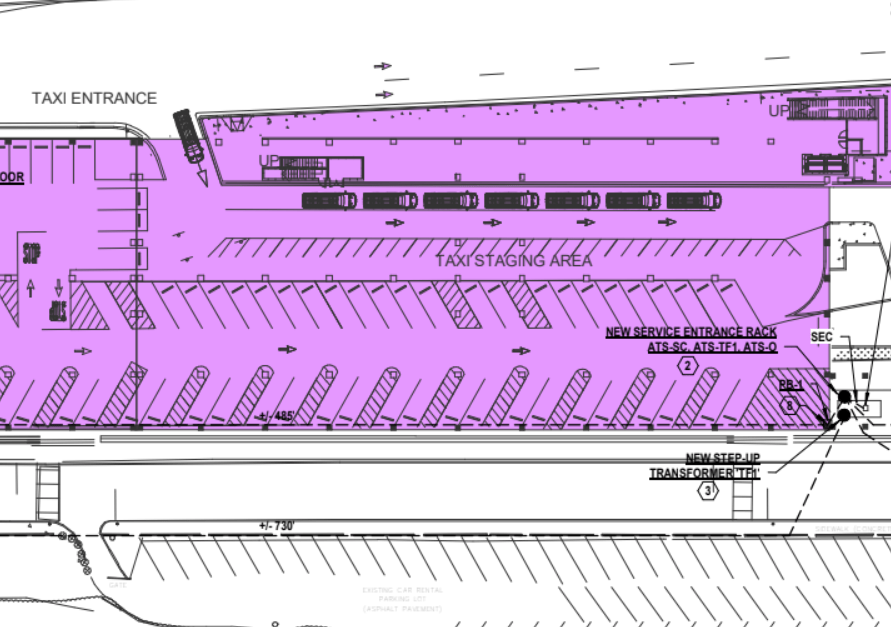
Uppteam provided MEP design and coordination for temporary office spaces within an international airport. The project involved rapid turnaround, compliance with U.S. Virgin Islands regulations, and coordination with airport electrical standards. The scope covered electrical layout, lighting design, fire alarm coordination, and integration with mechanical and plumbing systems across two office areas totaling about 25,000 sq. ft.