Architectural Services
100 Years of Power & Design: India’s Iconic Presidential Estate
-
Sreela Biswas
- January 6, 2026
- 10:49 am

Complete Architectural Construction Document Production In Your Company Standards
Our degreed and trained architectural designers in India work as an extension of your staff on a monthly and hourly subscriptions.
Uppteam’s licensed expert MEP designers, operating remotely, collaborate with US AEC firms to deliver code-aligned MEP design solutions.
Offshore structural design experts deliver top-quality, code-compliant designs and documentation for US projects.
Seasoned civil designers remotely provide unmatched support for advancing site development, grading, and utility plans with sheer accuracy.
Cutting-edge 3D modeling and clash-coordinated documentation empower construction-ready
project delivery.
Dedicated offshore admin teams streamline architect, contractor, and engineering workflows.
Independent and guaranteed error-free model audits, clash detection, and construction
document verification by a specialized team.
U.S.-based local architectural representation, ensuring communication, accountability, and delivery expectations, managed close to the client.
Explore more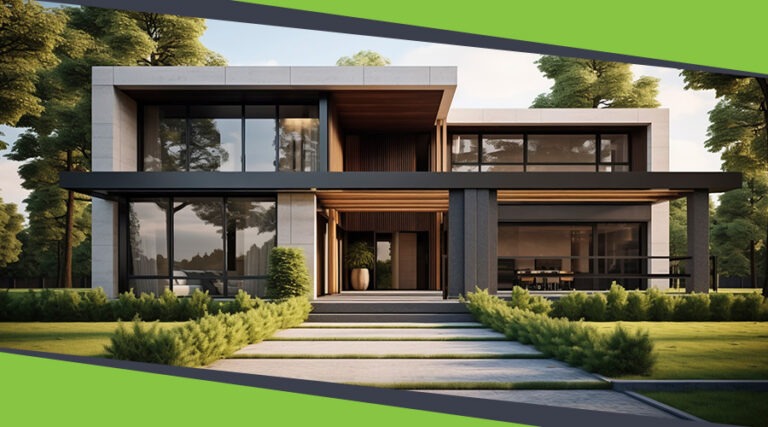
Discover our architectural design excellence through a curated selection of projects.
Explore more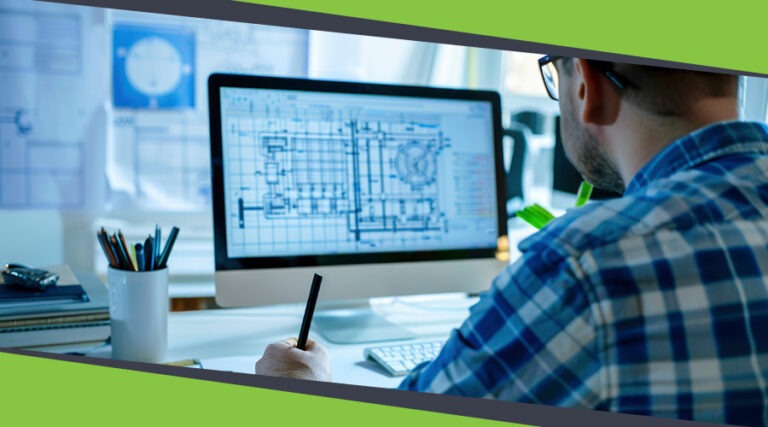
Take a look at how Uppteam can elevate your projects with expert engineering solutions.
Explore more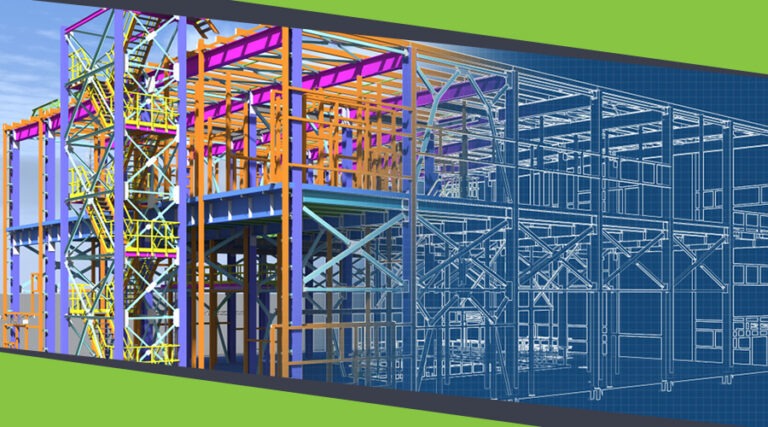
Our Structural Support Services can enhance your structural engineering projects with expert support.
Explore more
Uppteam delivers precise and reliable surveying and mapping solutions to help you make informed decisions.
Explore more
Whether you're working on residential, commercial, or industrial buildings..
Explore more
Uppteam’s Virtual Admin Support can help you with all your administrative tasks..
Explore more
Our experts work as your 3rd party quality control support partner.
Explore more
Sreela Biswas 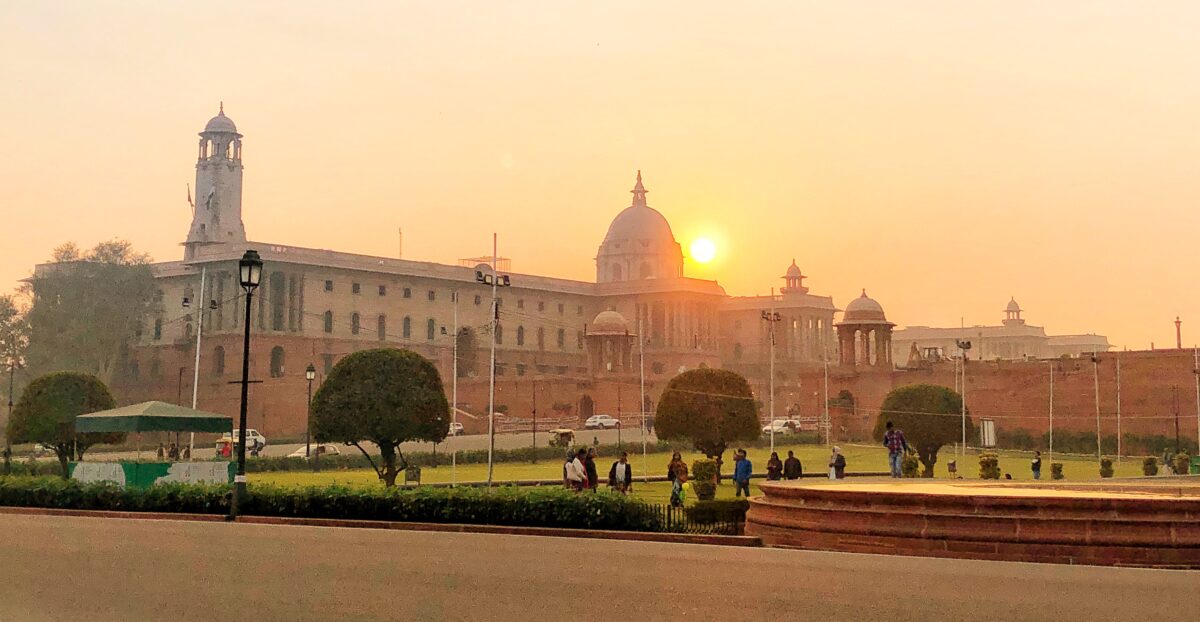
What happens when architectural ambitions match engineering precision? Well, the answer lies in the emergence of transformative projects like India’s Rashtrapati Bhavan. Yes, the name might not be as familiar, but the building is nothing other than the Presidential Estate of India, similar to the U.S. White House.
India’s presidential residence building exemplifies the principle of architectural vision meeting engineering accuracy. Completed way back in 1929, this 200,000-square-foot landmark is a remarkable case study in complex institutional design.
For AEC firms operating in the U.S., studying this iconic building can reveal critical lessons. Heritage restoration presents challenges similar to those encountered in contemporary AEC projects. In fact, understanding the Rashtrapati Bhavan’s unification of systems within a heritage paradigm can offer crucial, actionable insights.
Just try to imagine the scale of this iconic building, which took 17 years to build, involved over 23,000 laborers, and used 700 million bricks. This level of complexity signifies coordination principles vital for U.S. institutional projects.
The Presidential Estate of India epitomizes the preservation of historical authenticity while catering to modern requirements. Renowned architects Edwin Lutyens and Herbert Baker blended European neoclassical style with Indian elements in the construction of this landmark infrastructure. The copper-clad dome, measuring 180 feet, was modeled after Buddhist stupas, mandating a balance of aesthetic intent and structural stability.
One of the most distinctive aspects of this building is its layout, which separates public ceremonial areas from private zones. This required error-free architectural documentation and coordination. For U.S.-based institutional projects, similar strategies should be used to ensure maximum efficiency.
It is crucial to recognize that contemporary restoration highlights complexity management. In 2013, a robust Conservation Management Plan dealt with Rashtrapati Bhavan’s infrastructure modernization without negotiating heritage status. The structural retrofitting of the 1.2-kilometer sun-shade canopy implemented 3D Lidar scanning, CNC cutting, and FRP framework. This degree of precision reflects the demands that U.S. AEC professionals face in renovation projects.
There are around 340 rooms in the Presidential Estate of India. These rooms demanded flawless integration among structural, architectural, and MEP systems. Besides, this infrastructure’s four wings necessitated nonstop coordination across disciplines. Technical protocols overlooked stone masonry, brick positioning, and load distribution.
On the other hand, the structural system demonstrated crucial challenges. While the red sandstone formed the lower portions, the cream-colored stone formed the upper regions. The eight-foot sunshade canopy (chajja) needed thorough load calculations. Here, minimal use of steel illustrates meticulous structural planning through masonry design.
Modern-day AEC firms in the U.S. are subject to a similar type of coordination huddle, including:
In U.S. projects, BIM-centric workflows allow for this coordination. In digital environments generated by BIM, different disciplines can work concurrently. India’s Presidential Estate’s successful coordination, long before contemporary BIM tools even existed, shows how fundamental coordination principles transcend technology.
Now is the time to consider the recent restoration work at Rashtrapati Bhavan. It exemplifies structural innovation relevant to American renovation markets. Analyzing the 2013 conservation management plan reveals that it prioritized structural stability while guaranteeing the preservation of historical features.
The project to restore the sunshade canopy reflects cutting-edge structural retrofitting. The 1.2-kilometer cantilevering component showcased deterioration threatening safety. In this case, engineers opted for the structural lightweight concrete of M25 grade, coupled with supervised cathodic protection systems. It is also worth noting that FRP-centric formwork facilitated precision while handling weight.
The same structural considerations are applicable to U.S. renovation projects:
Keep in mind that, due to the Grade A designation, intervention options for Rashtrapati Bhavan were limited. Given these limits, engineers and conservation experts assessed every possible approach. This multidisciplinary review depicts American institutional projects in which aesthetic, regulatory, and functional specifications must always be aligned.
Now, regarding architectural standards, those used for the Indian Presidential Estate are directly applicable to U.S.-based institutional and commercial projects. This iconic building gradually reveals itself through forecourts and elevation changes. This is a unique processional design technique that boosts occupants’ experience and wayfinding.
The exclusivity of Indian architectural elements’ integration should not be ignored. It shows how cultural context plays a big role in design. In the past couple of years, institutional buildings in the U.S. have progressively adopted regional design vocabularies. Essentially, universities, government infrastructures, and corporate headquarters benefit extensively from contextual design approaches.
The Mughal gardens within the Indian Presidential Estate cover around 15 acres and are a testament to successful landscape integration. We know that green spaces improve occupant wellness, a principle gaining prominence in U.S. institutional standards.
The construction of this symbolic building comprised careful documentation protocols. These standards essentially ensured consistency across phases spanning 17 years. On a similar note, contemporary restoration projects also require an identical level of rigorous documentation. The CCMP ensured the creation of holistic records of building condition, restoration strategies, and structural systems. Such detailed documentation can effectively support ongoing maintenance and future intervention needs.
U.S. AEC businesses facing similar documentation specifications should address code conformance, permit submission, and contractor execution. BIM models should organize data across verticals, and drawing sets must have plans, sections, details, and schedules. Furthermore, while specifications should define materials, standards, and quality criteria, quality checks ought to confirm coordination ahead of bidding and construction.
Clearly, managing complex projects like India’s Presidential Estate calls for niche expertise. Only experienced and proficient specialists can guarantee multidisciplinary coordination, heritage sensitivity, and construction sequencing. Evidently, U.S.-based AEC companies are subject to the same types of challenges while tackling lean teams.
This is precisely where you need an expert hand like Uppteam. We offer remote BIM modeling, architectural design, structural analysis, MEP coordination, and 3rd-party QC services suited for complex institutional projects. For businesses handling heritage renovations, institutional expansions, and complicated coordination issues, Uppteam’s remote solutions boost capabilities without permanent overhead.
Your One-Stop MEP Design Support Solution is Here
Hire Remote Team at an Affordable Price!